
Roof Replacement Sunset Hills, MO
C&D General Contractors replaces roofs across Sunset Hills, including properties near South Lindbergh, Watson Road, Gravois Road, Interstate 44, West Watson, and Robyn Road. The inspection covers roof planes, decking, valleys, flashing, vents, gutters, storm damage, tree exposure, and the access needed for a controlled tear-off.
Sunset Hills includes wooded slopes, long driveways, broad custom rooflines, and homes with several elevations. That combination can create deep valleys, high ridges, shaded sections, and difficult staging areas. Replacement planning has to solve the roof details while also protecting the terrain, landscaping, and exterior features below.
When A Sunset Hills Roof Is Too Worn For Piecemeal Repairs
Repair may still be appropriate when one vent, flashing joint, or small wind-damaged area is responsible for the problem. Replacement becomes more reasonable when several valleys are failing, shingles have hardened across large slopes, leaks return at different elevations, decking is compromised, or hail and wind have affected the roof broadly.
C&D evaluates the full shape of the roof rather than judging one visible slope. The inspection considers upper-to-lower drainage, hidden rear planes, skylights, chimneys, ridge lines, attic airflow, and access constraints so the replacement recommendation matches the actual property.
Detailed Roof Planning For Large, Wooded, And Sloped Properties
A complex roof magnifies small mistakes. One poorly protected valley or wall transition can channel water into several lower areas, and an access plan that ignores grade can put landscaping or hardscape at risk. C&D organizes both the roofing details and the jobsite before installation.
Complete Replacement Support For Complex Roof Systems
Sunset Hills homes can combine steep slopes, low additions, multiple chimneys, broad valleys, and exterior improvements completed at different times. C&D identifies which components still work and which must be rebuilt with the new roof.
Complex-Leak Investigation
C&D traces water through valleys, skylights, wall lines, chimneys, vents, and stacked roof levels before recommending the size of the repair.
Full-System Tear-Off
The old roofing is removed so decking, membranes, flashings, ventilation, starter, edges, and finish materials can be renewed together.
Control Water From The Highest Ridge To The Lowest Eave
On a multi-level roof, every upper valley and downspout affects something below it. C&D studies where runoff gathers, where lower roofs receive extra water, and where flashing must be rebuilt so the replacement performs as one system rather than a collection of separate planes.
Severe-Weather Replacement
Hail and wind effects are reviewed on high ridges, exposed slopes, vents, gutters, siding, and soft metals when storm restoration may be needed.
Estate And Commercial Roofs
Larger residences, small commercial sites, offices, and managed properties can be assessed for phased repair or complete replacement.
Inspect The Hidden Rear Slopes Before Calling The Roof Worn Out
Street-facing shingles may look acceptable while rear or lower sections have significant wear from shade, concentrated runoff, branch contact, or limited airflow. C&D checks every accessible plane and compares the conditions before deciding whether repair, partial work, or complete replacement is justified.
- View high and rear roof planes for lifted edges, impact damage, missing caps, and debris trapped where two slopes meet.
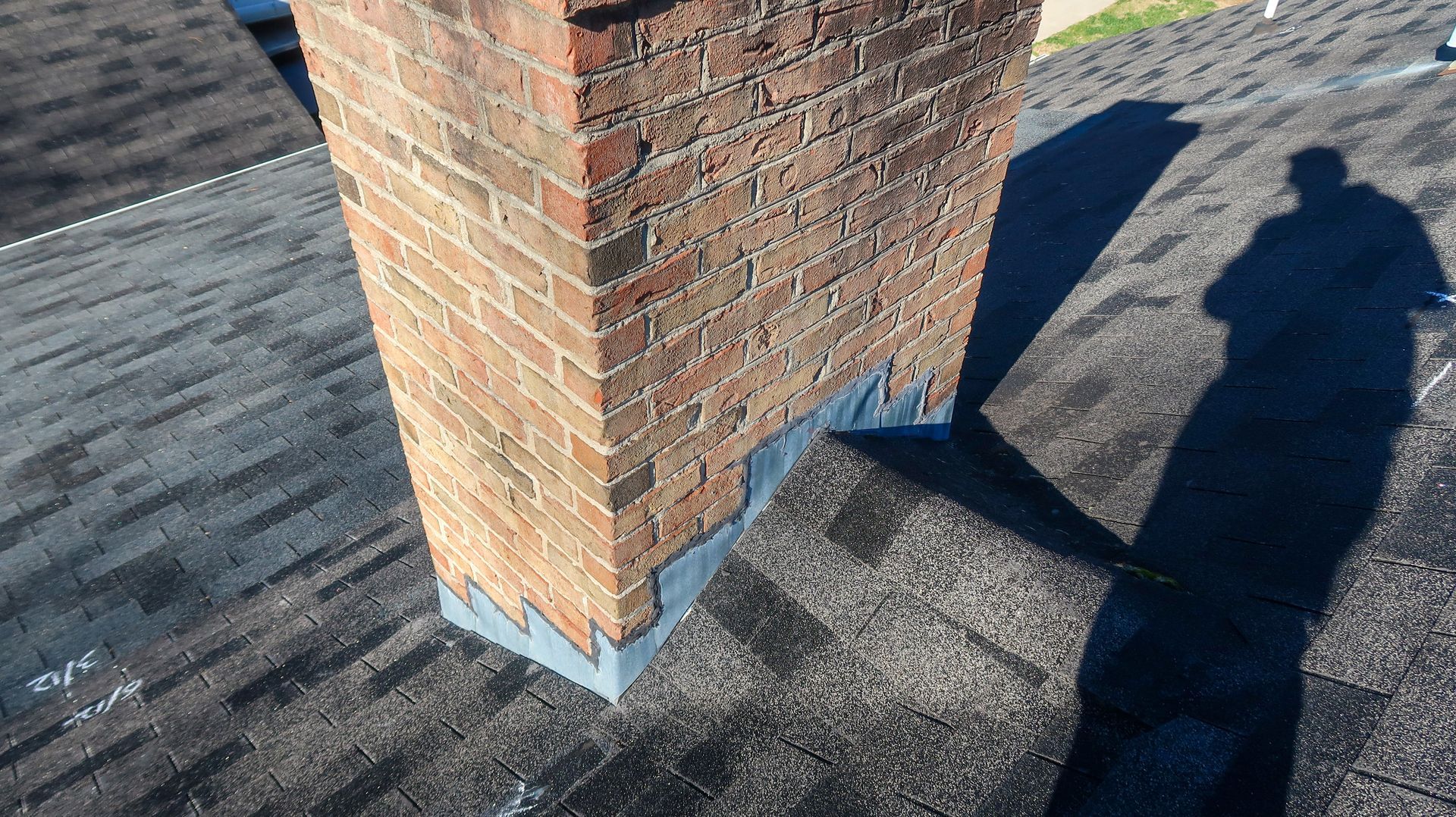
- Inspect skylight curbs, chimney walls, and long valleys where repeated sealant patches may be hiding failed flashing.
- Check lower roofs beneath upper downspouts for granule loss, splash wear, and water backing under the shingle edge.
- Review attic temperatures and moisture patterns because large roof volumes can have uneven intake and exhaust.
Sunset Hills Roof Checker
Select the condition that most closely matches the property to see which roof details should be evaluated first.
Every Roof Plane Needs The Right Base, Barrier, And Transition
Complex roofs cannot rely on shingles alone. The new system needs sound decking, membranes in concentrated-water areas, mechanical flashing at every wall and opening, balanced airflow, and edge details that direct large volumes of runoff into the drainage system.
- Finish material selected for roof pitch, high-slope visibility, wind exposure, appearance, warranty, and maintenance goals.
- Extra water protection installed at long valleys, eaves, skylights, chimneys, penetrations, and roof-level changes.
- Flashing formed for masonry, siding, dormers, crickets, and curb-mounted features without depending on exposed caulk.
- Ventilation calculated across large or divided attic areas so one section does not remain hot or moisture-laden.
- Decking repaired wherever tear-off reveals soft sheathing, delamination, old leaks, weak seams, or poor fastening.
Four High-Risk Areas On Multi-Plane Roofs
Large roof systems usually fail at transitions before open shingle fields. These details deserve extra attention because they carry concentrated water, connect different elevations, or sit in hard-to-reach locations.
Long Valley Runs
Membrane, decking, shingle cuts, and fastener placement must work together where two large slopes collect runoff.
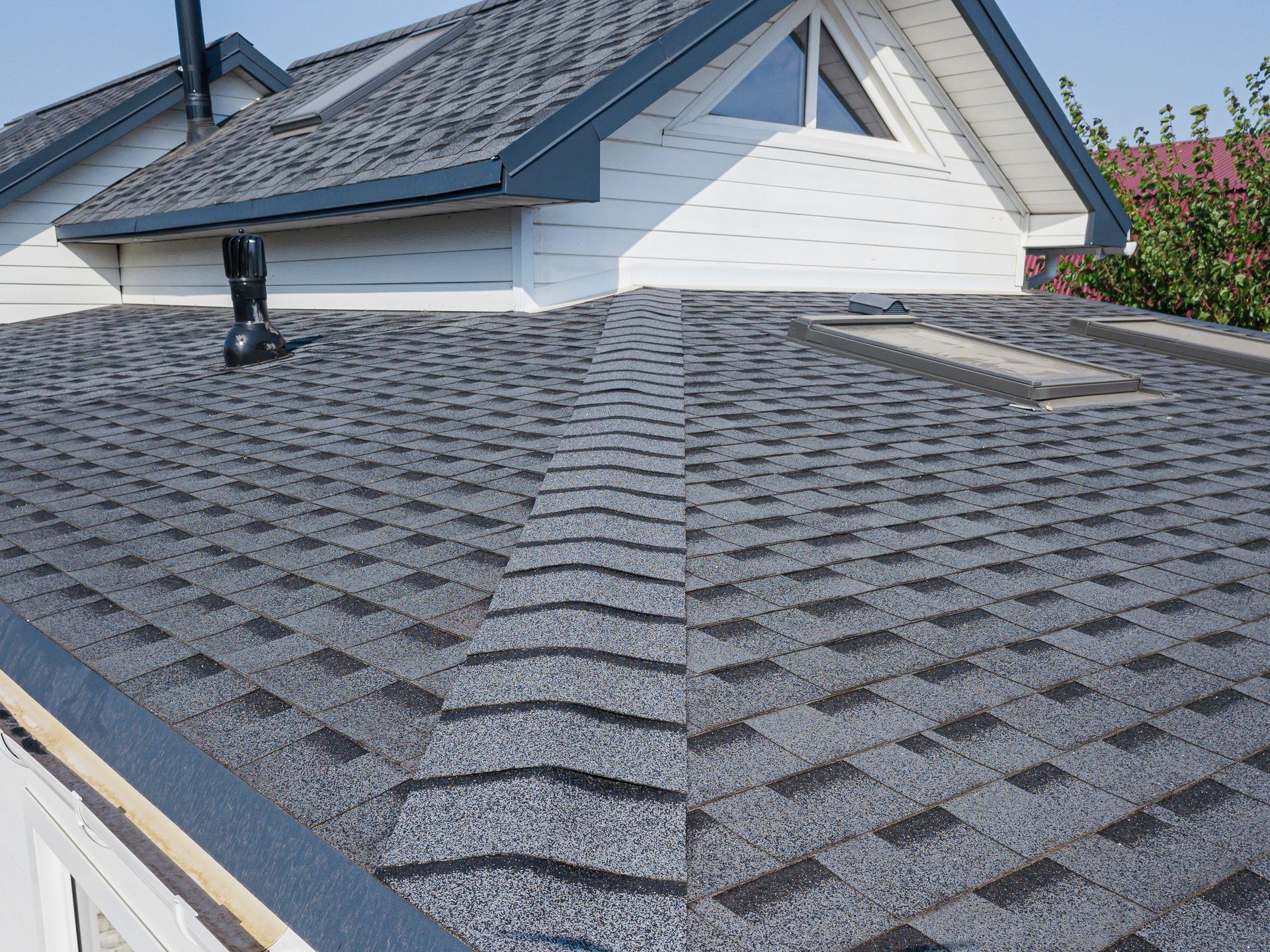
Skylight And Curb Flashing
Factory-compatible flashing and sound curbs are needed to protect openings exposed on high roof planes.

Upper-To-Lower Drainage
Downspouts and diverters should not dump concentrated water onto lower shingles or against wall transitions.
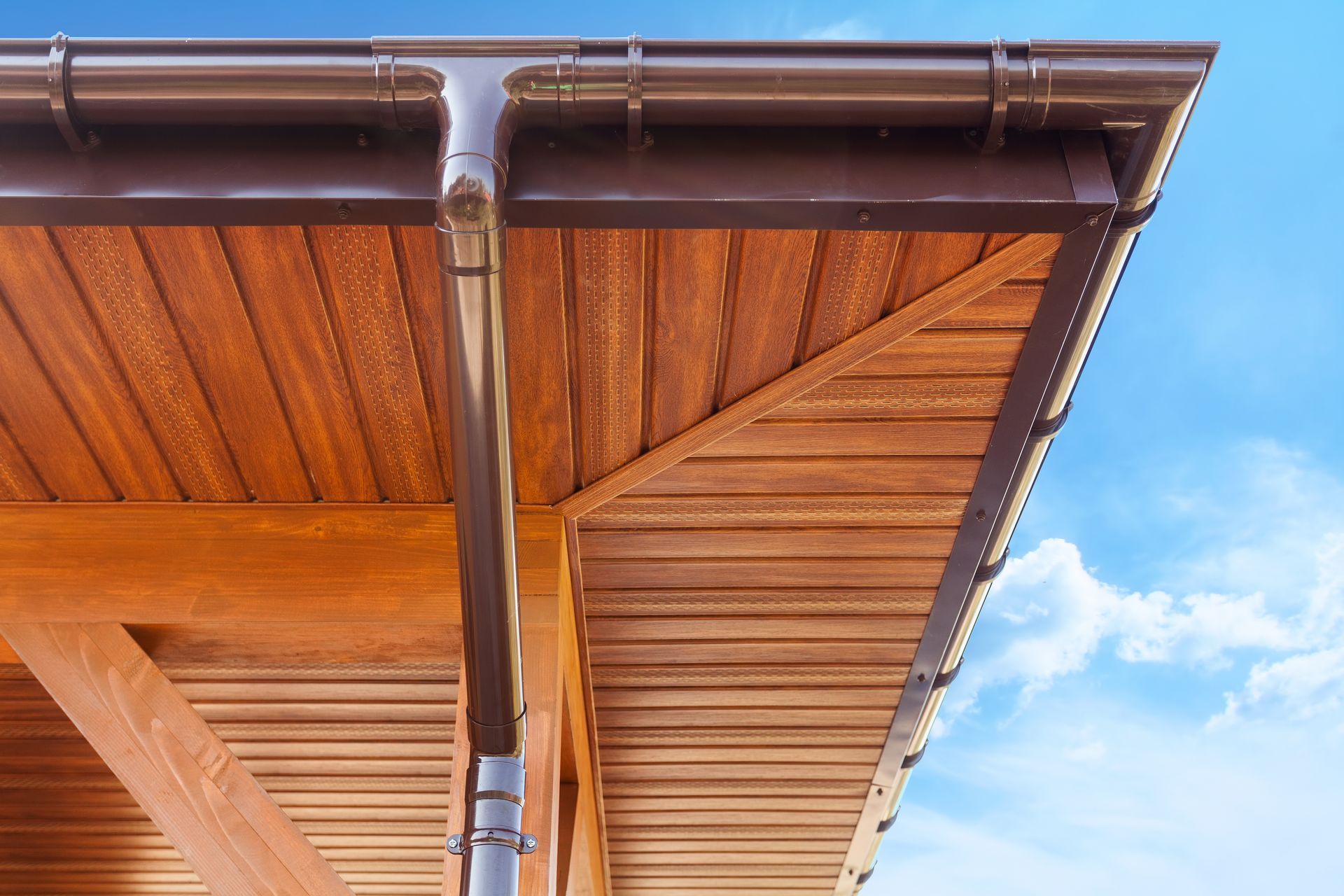
Ridge And Hip Exposure
High caps and hip lines take direct wind and need correct material overlap, fastening, and ventilation treatment.
Map The Roof, Protect The Property, And Install By Elevation
C&D breaks a complex project into manageable decisions. Roof geometry and access are documented first, materials and water-control details are confirmed next, and the work proceeds in an organized sequence with cleanup built into each phase.
Map Every Plane
The inspection records pitches, valleys, ridges, lower roofs, openings, leaks, storm marks, ventilation zones, and drainage points.
Engineer The Work Sequence
C&D defines materials, membranes, flashing, decking allowances, equipment needs, and the order in which elevations will be opened.
Secure Access And Coverings
Long drives, lawns, terraces, pools, gardens, windows, and exterior equipment are protected before tear-off.
Replace From Base To Finish
Crews correct the exposed deck, install barriers and flashings, complete the selected roofing, and connect drainage details.
Inspect Each Elevation
The final review covers visible workmanship, roof accessories, cleanup, magnetic sweeps, warranties, and homeowner questions.
Long Drives, Gardens, Pools, And Terraces Need A Site Plan
Roof work on a larger or sloped lot can affect much more than the space directly below the eaves. C&D identifies material routes, turnaround space, protected drop zones, and sensitive exterior features before equipment enters the property.
- Choose delivery and debris locations that account for driveway length, grade, gates, turning space, and surface protection.
- Cover pools, patios, decks, skylights below work areas, planting beds, windows, and outdoor mechanical equipment.
- Contain removal debris along rear slopes, retaining walls, terraces, and wooded edges where cleanup access is limited.
- Complete multiple magnetic sweeps along drives, walkways, lawn borders, garden paths, and vehicle parking areas.
- Review roof planes, skylights, flashing, gutters, site cleanup, and warranty documents with the homeowner at closeout.
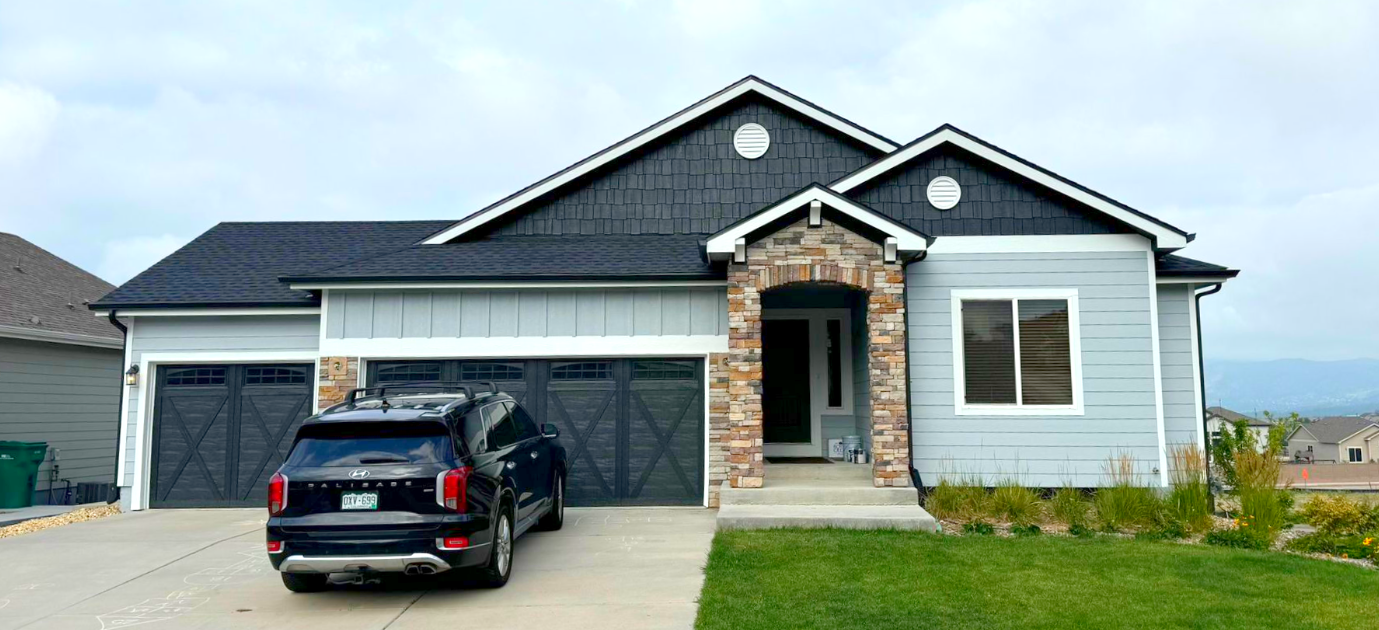
Roof Replacement Near Lindbergh, Watson, Gravois, And I-44
C&D serves Sunset Hills properties near South Lindbergh Boulevard, Watson Road, Gravois Road, Interstate 44, West Watson Road, Robyn Road, and nearby residential streets. The city’s natural terrain and varied lot sizes create very different roof, access, and drainage conditions.
Homes closer to the Meramec side of the city may sit near steeper land and heavier tree cover, while properties near major corridors can have more open wind exposure. C&D inspects the actual elevations, tree contact, roof geometry, and drainage before recommending replacement.
Review Roof, Gutter, Siding, Window, And Masonry Services
Complex water problems often cross more than one exterior system. These C&D resources help Sunset Hills owners review replacement, repair, drainage, siding, windows, insulation, and masonry work that may relate to the same project.
Roofing For Sunset Hills
Exterior Systems And Drainage
C&D Information And Scheduling
Answers For Complex Roofs And Wooded Sunset Hills Lots
These questions cover multi-level drainage, skylights, long-drive access, storm damage, ventilation, decking, cleanup, and replacement timing on Sunset Hills properties.
Does a complex roofline cost more to replace than a simple roof?
It can. More valleys, hips, dormers, skylights, levels, and steep sections require additional material, flashing, setup, and labor. C&D measures the complete geometry before explaining the scope.
How are long driveways handled during material delivery?
C&D reviews grade, width, turning room, overhead branches, surface condition, and garage access. Delivery and debris equipment are placed where they can operate safely without unnecessary property damage.
Should every skylight be replaced with the roof?
Not always. Age, condition, seal history, curb design, and manufacturer flashing compatibility determine whether a skylight can remain. Replacing a questionable unit during tear-off may prevent reopening the new roof later.
Can upper gutters damage lower roof sections?
Yes. Downspouts that discharge onto lower shingles can create concentrated wear and leak pressure. C&D checks whether the water should be carried directly to a lower gutter or redirected another way.
What does tree-related roof damage look like?
Signs can include impact fractures, rubbed shingle surfaces, lifted edges, torn caps, clogged valleys, moss, and persistent debris. Some conditions are repairable, while widespread wear may support replacement.
Will C&D inspect rear slopes that are not visible from the street?
Yes. A meaningful replacement recommendation requires reviewing all accessible elevations, including high, lower, and rear planes. Hidden sections can have different shade, drainage, and storm exposure.
How is ventilation handled on a divided attic?
Separate attic zones may need their own intake and exhaust paths. C&D checks soffits, ridge vents, gables, cathedral areas, and additions rather than assuming one vent line serves the entire home.
What happens if roof decking is damaged around a valley?
The affected sheathing is removed and replaced before membrane and finish roofing are installed. Valley decking must be solid because it carries concentrated water and many critical fasteners.
How long can a large Sunset Hills replacement take?
Timing depends on square footage, pitch, number of elevations, access, weather, skylights, decking repairs, and material type. C&D establishes the work sequence after a full measurement and inspection.
What should be protected around a pool or terrace?
Furniture, grills, planters, toys, covers, and fragile items should be moved as directed. C&D sets protected zones for the pool deck, windows, landscaping, and lower outdoor spaces before tear-off.
Replace A Complex Roof With A Clear Sunset Hills Plan
Call C&D General Contractors when a multi-level roof has recurring leaks, storm damage, brittle shingles, or drainage problems that repairs no longer control. The inspection will map the roof and property so the replacement solves the hard details instead of only changing the visible surface.