
Roof Replacement Valley Park, MO
C&D General Contractors replaces roofs throughout Valley Park, including homes near Highway 141, Interstate 44, Vance Road, Marshall Road, Forest Avenue, Meramec Station Road, and Hanna Road. The inspection checks shingles, decking, flashing, valleys, ventilation, gutters, storm damage, drainage, and access on both low-lying and hillside properties.
Valley Park’s Meramec setting, wooded slopes, and varied elevations can create very different conditions across a small area. Some roofs stay shaded and damp longer; others face strong wind or fast runoff from upper slopes. A complete replacement should address those site-specific patterns instead of treating the city as one uniform roof environment.
When A Valley Park Roof Needs A Complete Reset
A small flashing or boot failure may still be repairable, especially on a roof with flexible shingles and sound surrounding materials. Replacement is more likely when several slopes show advanced granule loss, leaks recur after repairs, shingles are brittle, valleys have failed, storm damage is widespread, or the deck no longer provides a reliable base.
C&D examines how the roof sheds water across the specific lot. That means checking upper and lower planes, shaded areas, attic moisture, gutters, downspout discharge, and the grade around the home. The recommendation explains whether the problem is contained or whether the entire roof system has reached the point where replacement offers better value.
Roof Decisions Based On Water Movement And Real Site Conditions
In Valley Park, the same storm can affect a hillside home, a shaded street, and an open property very differently. C&D considers roof exposure, drainage, access, decking, and ventilation together so the replacement plan solves the conditions that are actually present.
Replacement Support For Hillside, Shaded, And Storm-Worn Roofs
C&D starts by determining whether the roof can still be repaired. When replacement is justified, the scope covers the deck, water barriers, flashing, ventilation, finish material, drainage connections, and the logistics needed to work safely on the lot.
Water-Entry Diagnosis
Leaks are traced through valleys, penetrations, wall transitions, attic paths, and roof edges before deciding whether a smaller repair can hold.
Complete Roof Replacement
The old system is removed so damaged deck areas, membranes, flashing, vents, starter, and shingles can be rebuilt correctly.
Fix The Roof And The Runoff Path Together
A replacement can still leak if water is sent into a crowded valley, behind a gutter, or onto a lower roof without protection. C&D follows the drainage route from ridge to ground and includes the roof-edge and flashing details needed to keep the new system dry.
Hail And Wind Restoration
C&D documents storm effects on shingles, ridges, vents, gutters, downspouts, siding, and soft metals when weather damage may support a claim.
Rental And Commercial Roofs
Small commercial buildings, rentals, offices, and managed properties near Valley Park can be inspected for repair or replacement needs.
Determine Whether Moisture Is Entering From Above Or Backing Up At The Edge
Ceiling stains can come from failed shingles, but they can also begin where a downspout dumps onto a lower roof, a valley holds debris, or gutters overflow behind the fascia. C&D traces the roof and drainage system together before recommending a replacement scope.
- Check shaded roof planes for moss, algae, soft shingle edges, and debris that keeps the surface damp after rain.
- Inspect low roof sections below upper slopes for splash wear, granule loss, and water pressure at wall flashing.
- Follow staining in the attic toward valleys, pipe boots, chimney edges, and roof-to-wall intersections rather than straight upward.
- Review downspout discharge and ground grade where water repeatedly collects near the same exterior wall.
Valley Park Roof Checker
Choose the condition closest to the problem so C&D can begin with the right roof, attic, or drainage details.
Build A Replacement That Manages Water In Every Direction
The new roof has to shed falling rain, resist wind-driven water, protect valleys and penetrations, and hand runoff to the gutter system without backing up. C&D reviews the structural deck and every water-control layer before the finish material is installed.
- Roofing selected for slope, exposure, appearance, wind conditions, warranty preferences, and expected maintenance.
- Leak barrier applied at eaves, valleys, penetrations, wall lines, and lower sections exposed to concentrated runoff.
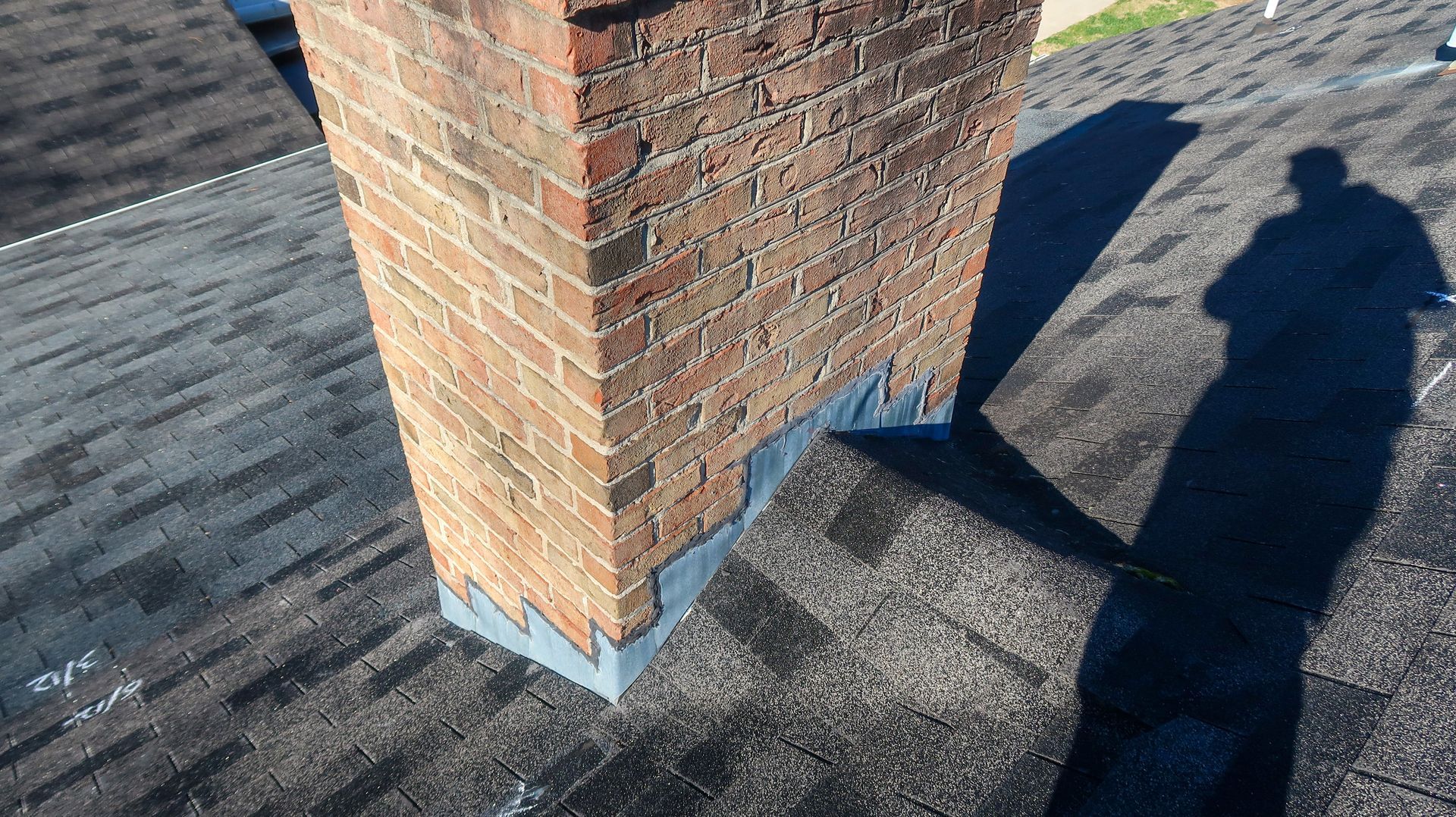
- Flashing rebuilt at chimneys, siding, boots, dormers, skylights, and roof-level changes where leaks often start.
- Attic intake and exhaust balanced to reduce moisture accumulation and heat stress beneath shaded roof fields.
- Unsound sheathing replaced where tear-off reveals rot, delamination, weakened boards, old leaks, or poor fastener holding.
Four Places Where Drainage And Roof Wear Meet
Valley Park roofs often reveal the strongest wear at the points where water slows down, changes direction, or lands on a lower surface. These details deserve a direct plan during replacement.
Debris-Filled Valleys
Leaves and twigs can hold water against shingle cuts, so the valley deck, membrane, and finish alignment must be sound.
Lower Roof Discharge
Upper gutters and downspouts should not dump large volumes of water onto a lower shingle field or wall transition.

Shaded Roof Edges
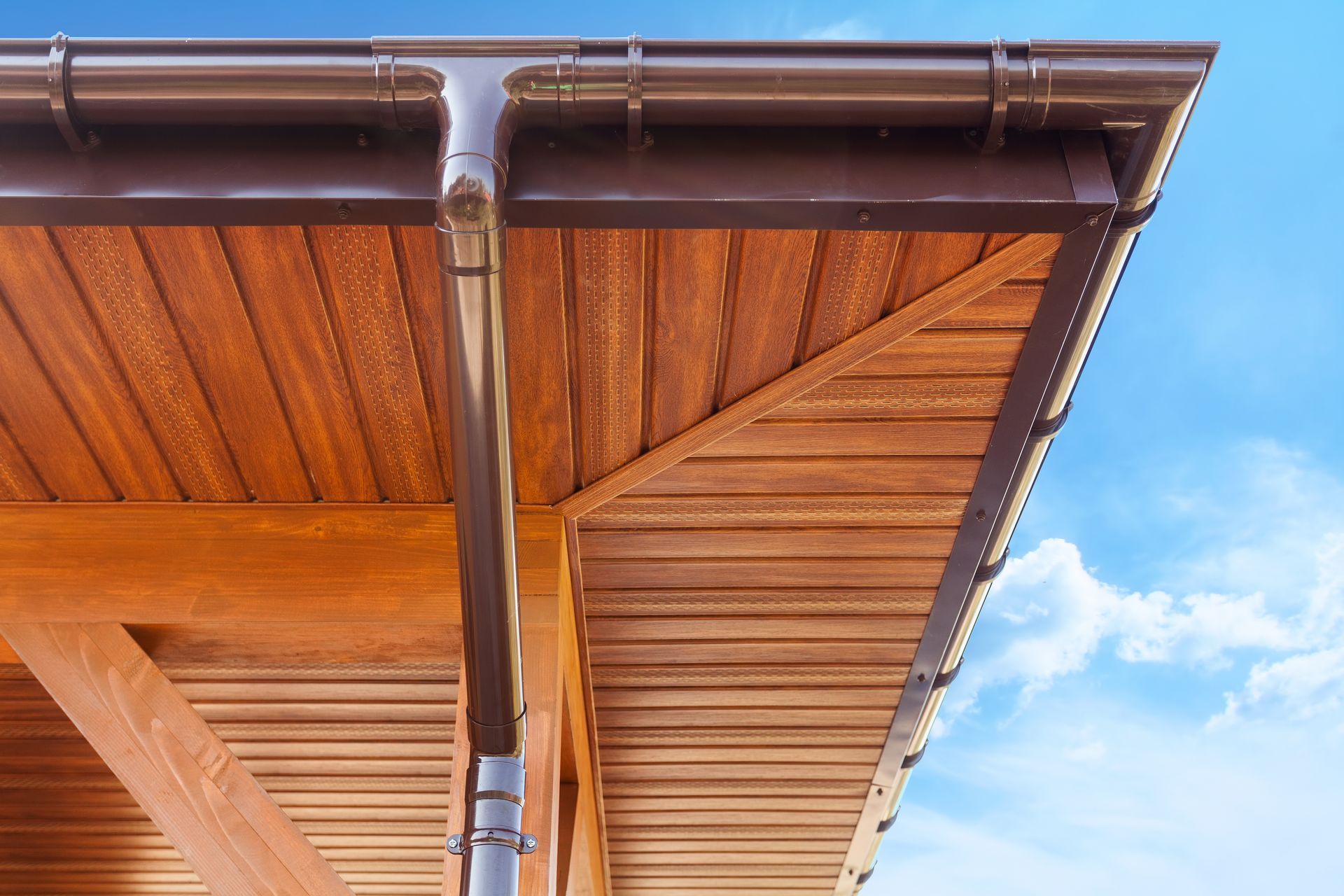
Eaves beneath trees can stay damp, collect organic growth, and hide fascia or sheathing deterioration.
Attic Moisture Clues
Dark decking, rusty fasteners, damp insulation, and musty odors can reveal airflow or leak problems beneath the roof.
Inspect Drainage First, Then Rebuild The Roof In The Right Order
C&D organizes the work around water control and site access. The roof is inspected from exterior and attic clues, the lot is prepared for removal, and the new system is installed from the deck outward.
Trace Roof And Drainage
C&D checks shingles, valleys, flashing, gutters, attic evidence, ventilation, storm marks, slope, and downspout paths.
Set The Replacement Scope
Materials, membranes, deck allowances, flashing changes, vents, edges, and drainage connections are explained.
Plan Access Around Grade
Driveway slope, retaining walls, fences, rear elevations, decks, and safe debris routes are reviewed before delivery.
Remove, Correct, And Install
The old roof is opened, weak decking is repaired, water-control layers are placed, and the finish system is completed.
Clean And Confirm Performance
The crew sweeps work zones, checks roof edges and drainage ties, reviews warranties, and answers homeowner questions.
Changes In Grade Need Controlled Material And Debris Routes
A Valley Park home may be easy to reach from the front but several levels higher at the rear, or it may have retaining walls and narrow passages beside the house. C&D plans those elevations before tear-off so workers, materials, and debris move through safe, protected areas.
- Confirm stable delivery and debris locations around sloped drives, narrow streets, retaining walls, and limited curb space.
- Protect decks, lower patios, fences, windows, siding, air-conditioning equipment, and planting beds below the roof.
- Use controlled removal at rear or hillside elevations where loose debris could travel farther than expected.
- Complete magnetic sweeps along driveways, sidewalks, gravel edges, lawn borders, decks, and access paths.
- Review the finished roof, flashing, drainage, cleanup, workmanship coverage, and any exterior concerns found during the work.
Roof Replacement Along 141, I-44, Vance, Marshall, And Meramec Station
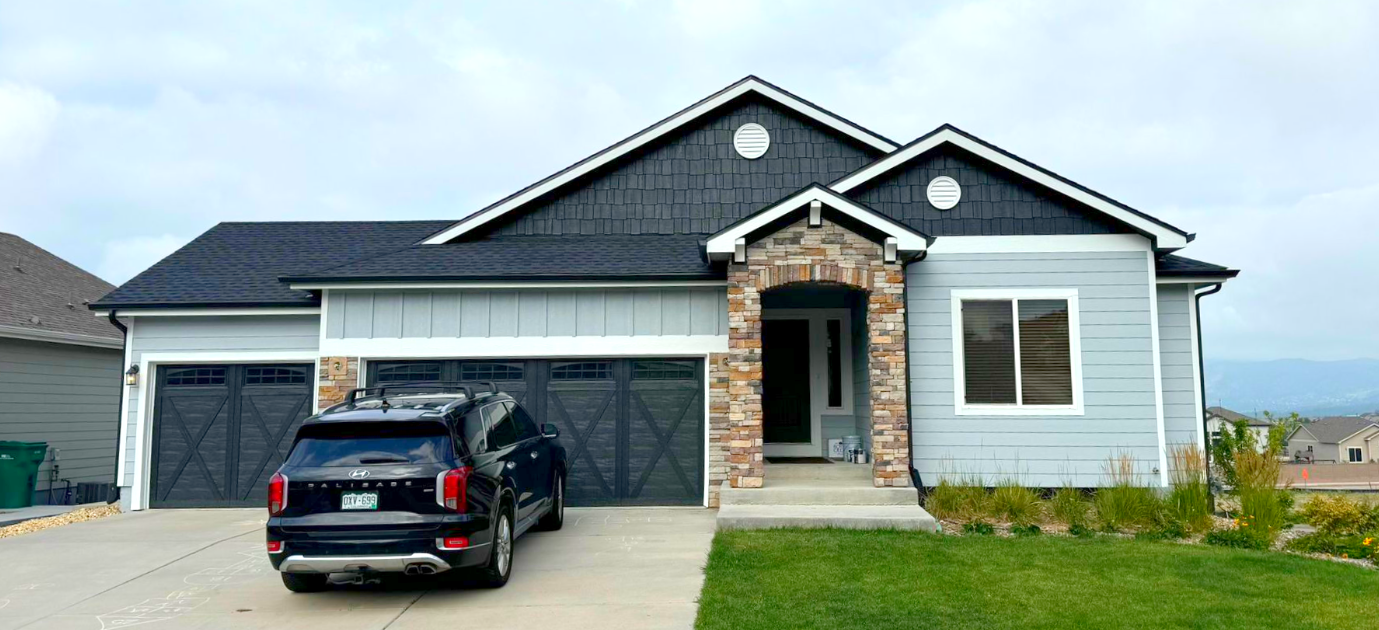
C&D serves Valley Park homes near Highway 141, Interstate 44, Vance Road, Marshall Road, Forest Avenue, Dougherty Ferry Road, Meramec Station Road, Hanna Road, and surrounding streets. The city combines older neighborhoods, newer housing, wooded areas, and changing elevations.
A property near the Meramec and levee trail can have different moisture and drainage patterns than a hillside home nearer Forest or Dougherty Ferry. C&D evaluates shade, roof pitch, runoff, attic condition, and access at the specific house before recommending replacement.
Review Roof, Gutter, Siding, Window, And Insulation Options
When water moves from the roof into gutters, walls, windows, or attic spaces, more than one service may be relevant. These C&D resources help Valley Park owners understand the connected exterior work that can support a replacement.
Valley Park Roofing Services
Drainage And Exterior Improvements
Roof And Drainage Questions From Valley Park Homeowners
These answers cover shaded slopes, hillside access, Meramec-area moisture, gutters, decking, storm damage, ventilation, timing, and cleanup for Valley Park replacement projects.
Can a shaded Valley Park roof need replacement sooner?
Shade can slow drying and support moss, algae, and debris buildup, but it is only one factor. Material age, ventilation, pitch, drainage, and maintenance determine whether the roof is repairable or worn out.
Why does water appear far from the actual roof leak?
Water can follow rafters, decking seams, pipes, or insulation before reaching a ceiling. C&D traces attic staining uphill toward valleys, boots, walls, and penetrations instead of assuming the opening is directly above the stain.
Does living near the Meramec change roof material choices?
Location alone does not dictate a product, but moisture exposure, shade, wind, pitch, and ventilation can influence the recommendation. C&D selects the system for the actual house rather than a broad river-area label.
How are hillside rear elevations protected during tear-off?
C&D establishes controlled drop zones, covers lower decks and landscaping, and chooses access routes that account for grade. Removed materials are contained rather than allowed to slide or scatter downslope.
Can gutter overflow cause roof decking damage?
Yes. Water that backs behind the gutter or runs along the fascia can wet the roof edge, soffit, and wall assembly. Drip edge, gutter position, outlet capacity, and downspout routing should be checked.
Will C&D replace only one roof plane after storm damage?
Possibly, if the damaged area is truly independent and materials can be matched, but connected slopes, valleys, warranty concerns, and overall roof age may make a broader scope more practical.
What happens if older roof boards have wide gaps?
The fastening surface must meet the requirements of the selected roofing. C&D documents the deck after tear-off and explains whether boards can remain, need repairs, or require an overlay or replacement.
Should attic ventilation be improved on a shaded home?
It should be evaluated. Shaded shingles may stay cooler, but attic moisture can still damage decking and insulation. Clear intake and properly sized exhaust help the roof assembly dry.
How long does a Valley Park roof replacement take?
Roof size, pitch, access, weather, decking repairs, number of levels, and material choice determine the schedule. C&D confirms the likely sequence after inspection and measurement.
Can C&D help when insurance is involved after a storm?
Yes. When functional hail or wind damage is found, C&D can document the roof and related exterior components, explain the proposed work, and meet with the adjuster. Coverage remains subject to the policy.
Replace The Roof And Improve Water Control In Valley Park
Call C&D General Contractors when a Valley Park roof is leaking, brittle, storm-damaged, or struggling at valleys and eaves. A full inspection can show whether the answer is a focused repair or a replacement that corrects the roof and drainage system together.