How to Choose a Reliable Roofing Contractor for Your Ellisville Home
How to Choose a Reliable Roofing Contractor for Your Ellisville Home
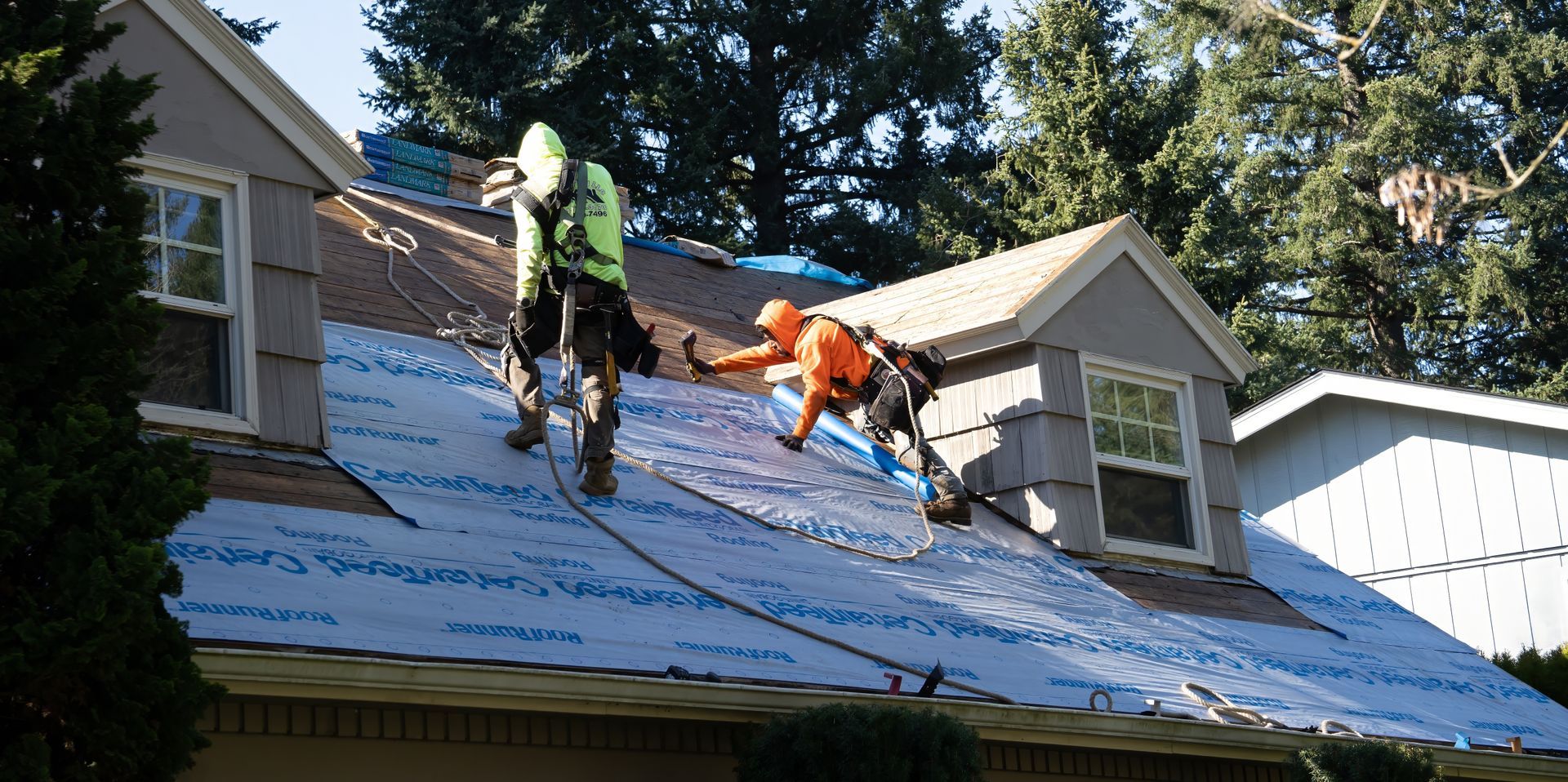
Homeowners in Ellisville, MO know that a strong roof is the most important defense against unpredictable Midwestern weather. From severe spring thunderstorms bringing heavy hail to freezing winter ice dams, local roofs take a beating throughout the year. When the time comes to repair or completely replace your roof, choosing the right professional for the job can feel overwhelming. A roof is a major financial investment, and hiring an unqualified worker can lead to structural damage, recurring leaks, and expensive repairs down the road. This comprehensive guide helps local property owners navigate the process of selecting a qualified contractor, understanding regional building demands, and ensuring your home remains protected for decades to come.
Understanding Your Roofing Challenges
The climate in West St. Louis County presents unique challenges to residential roofing systems. High humidity during summer months can accelerate organic growth like algae and moss, which trap moisture against shingles and degrade the underlying materials. Additionally, the rapid temperature shifts common in Missouri cause building materials to expand and contract frequently. This thermal shock can weaken older shingles, loosen flashing around chimneys, and cause sealing strips to fail. Understanding these localized environmental pressures is the first step in recognizing why a specialized approach to your roof is necessary.
Signs Your Property Needs a Professional Roofing Contractor
Many homeowners only think about their roofs when water starts dripping through the ceiling. However, structural degradation happens long before a leak manifests inside your living room.
Key signs that your roofing system requires expert attention include:
Granule Loss: Finding a heavy accumulation of dark granules in your gutters or at the base of downspouts indicates that your asphalt shingles are losing their protective coating.
Curling or Buckling: Shingles that cup upward at the edges or bow in the middle are no longer shedding water effectively and are highly susceptible to wind uplift.
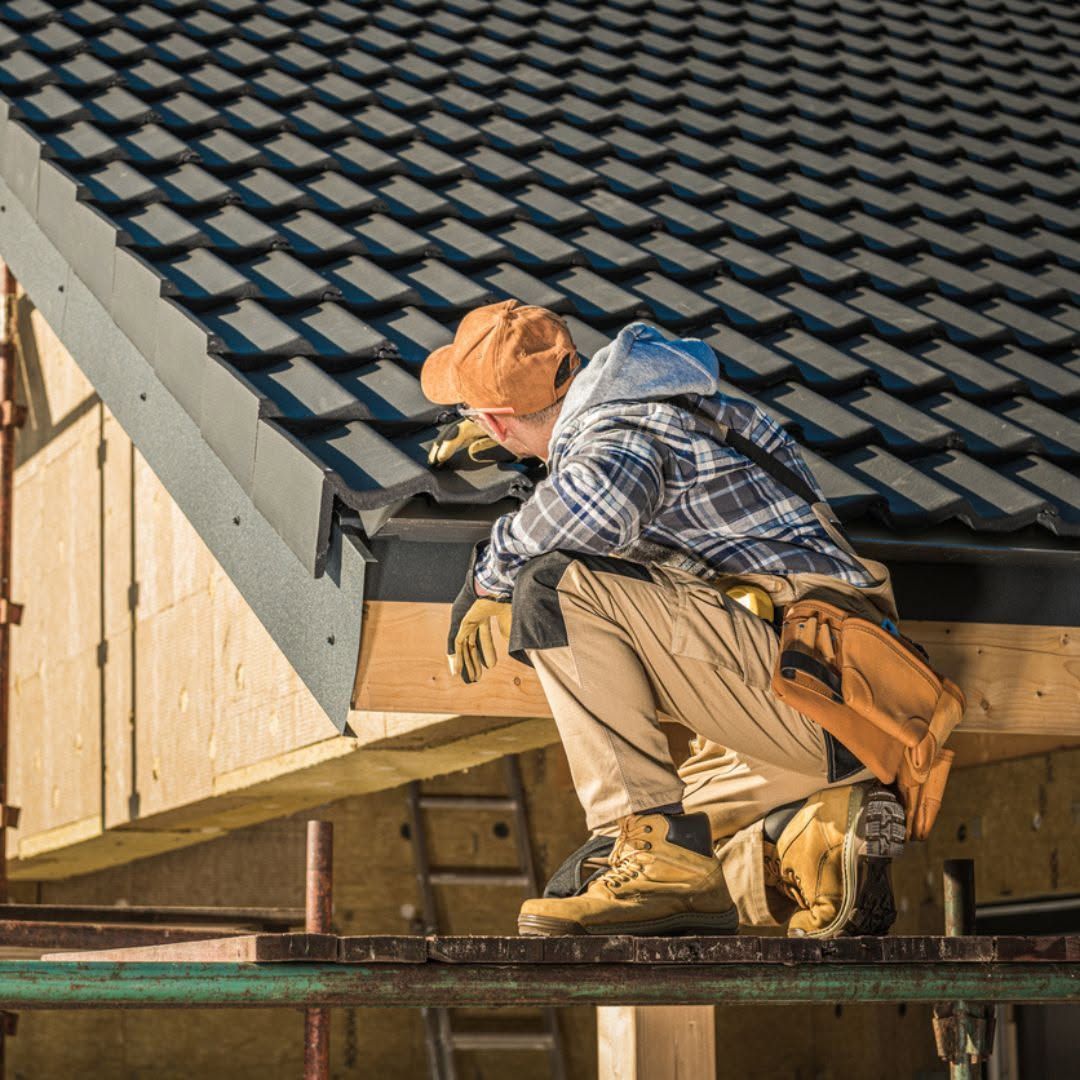
Damaged Flashing: Cracked, rusted, or missing flashing around valleys, vents, and dormers creates an immediate path for water intrusion.
Spongy Roof Decking: If you notice a bouncy or soft sensation while walking on the roof, or if you spot sagging rooflines from the street, the plywood decking underneath has likely rotted from chronic moisture exposure.
Causes of Roof Failure in Missouri Homes
While normal wear and tear happens over time, premature roof failure is usually accelerated by specific regional factors. The most common cause is storm damage, particularly from microbursts and hail events that fracture the fiberglass matting inside modern shingles.
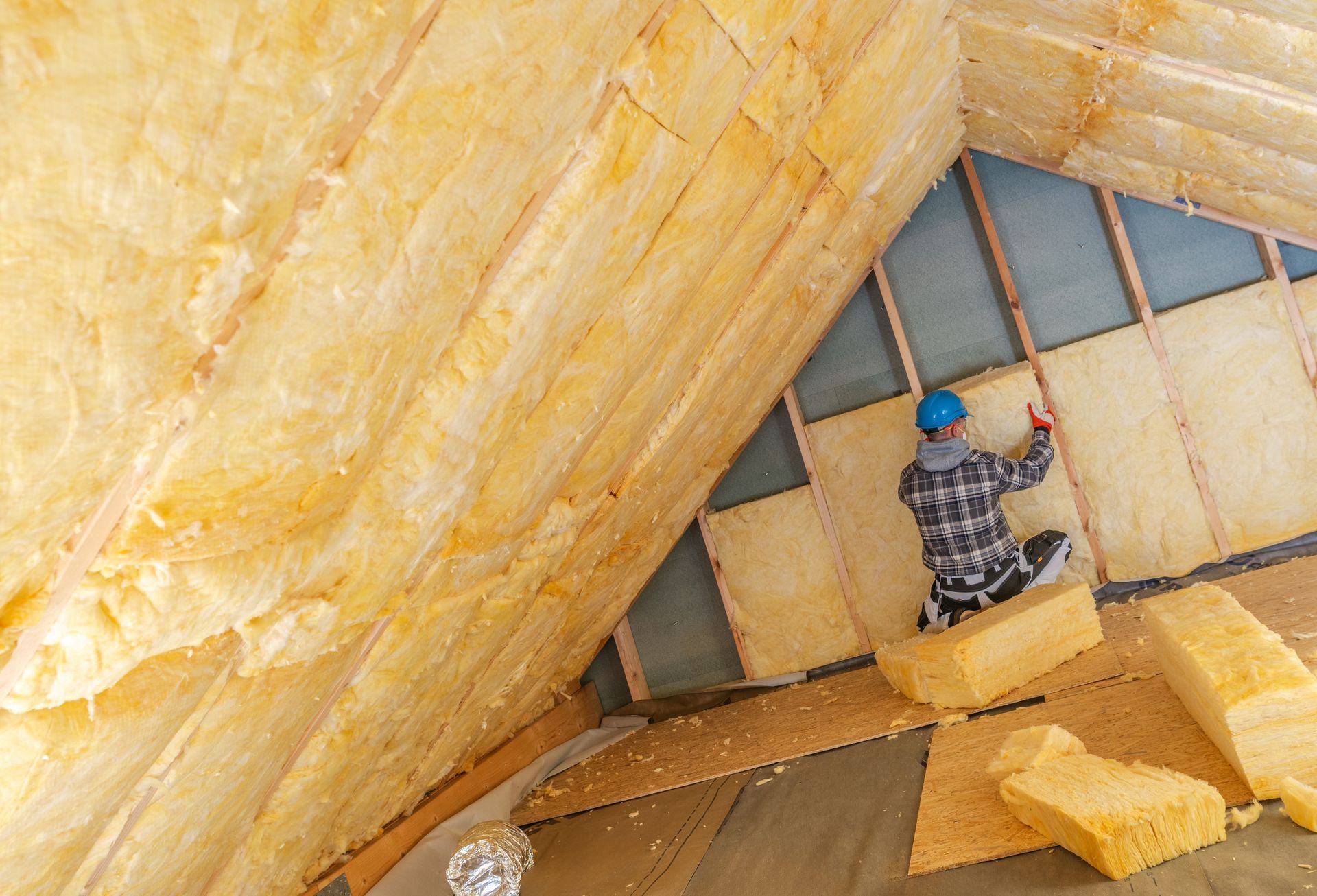
Another primary cause of early failure is poor attic ventilation. When heat and moisture become trapped in your attic space during blistering summer months, it cooks the shingles from underneath, destroying their adhesive properties. Finally, improper initial installation by inexperienced crews accounts for a massive percentage of early leaks, highlighting the absolute necessity of working with a certified professional.
Solutions for a Failing Roofing System
Depending on the age and overall condition of your structure, a professional team will recommend one of two primary paths: a targeted repair or a complete replacement.
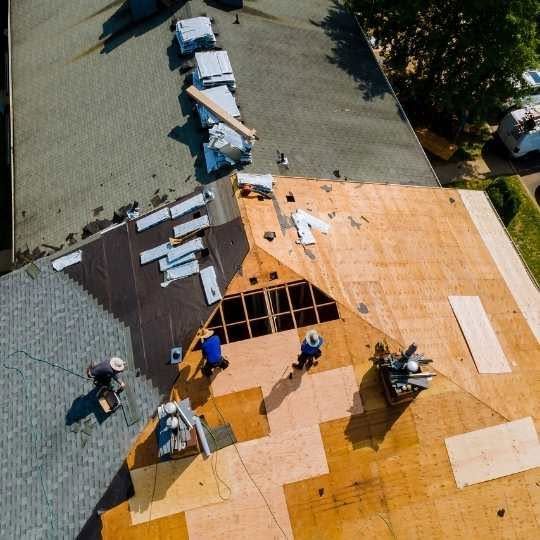
If the underlying decking is in pristine condition and the damage is isolated to a specific area, a localized repair can successfully extend the lifespan of your roof. However, if your roof is over twenty years old or has suffered widespread storm damage, a total tear-off and replacement is the most cost-effective long-term solution. Modern replacements utilize advanced synthetic underlayments, ice and water shields in vulnerable valleys, and heavy-duty architectural shingles that offer significantly better wind resistance than older styles.
Material and Project Cost Considerations
The cost of a roofing project varies greatly based on the square footage of your home, the pitch of your roof, and the specific materials you choose. Traditional three-tab asphalt shingles represent the most economical option, while architectural shingles offer enhanced durability and aesthetic depth for a moderate price increase. For premium properties, designer shingles or metal roofing systems provide maximum longevity but require a higher upfront investment.
When budgeting for this project, it is vital to remember that the cheapest estimate rarely yields the best value. Quality materials backed by comprehensive manufacturer warranties require specialized labor, and investing in a reputable crew protects your home value far better than cut-rate alternatives.
When to Call a Professional Contractor
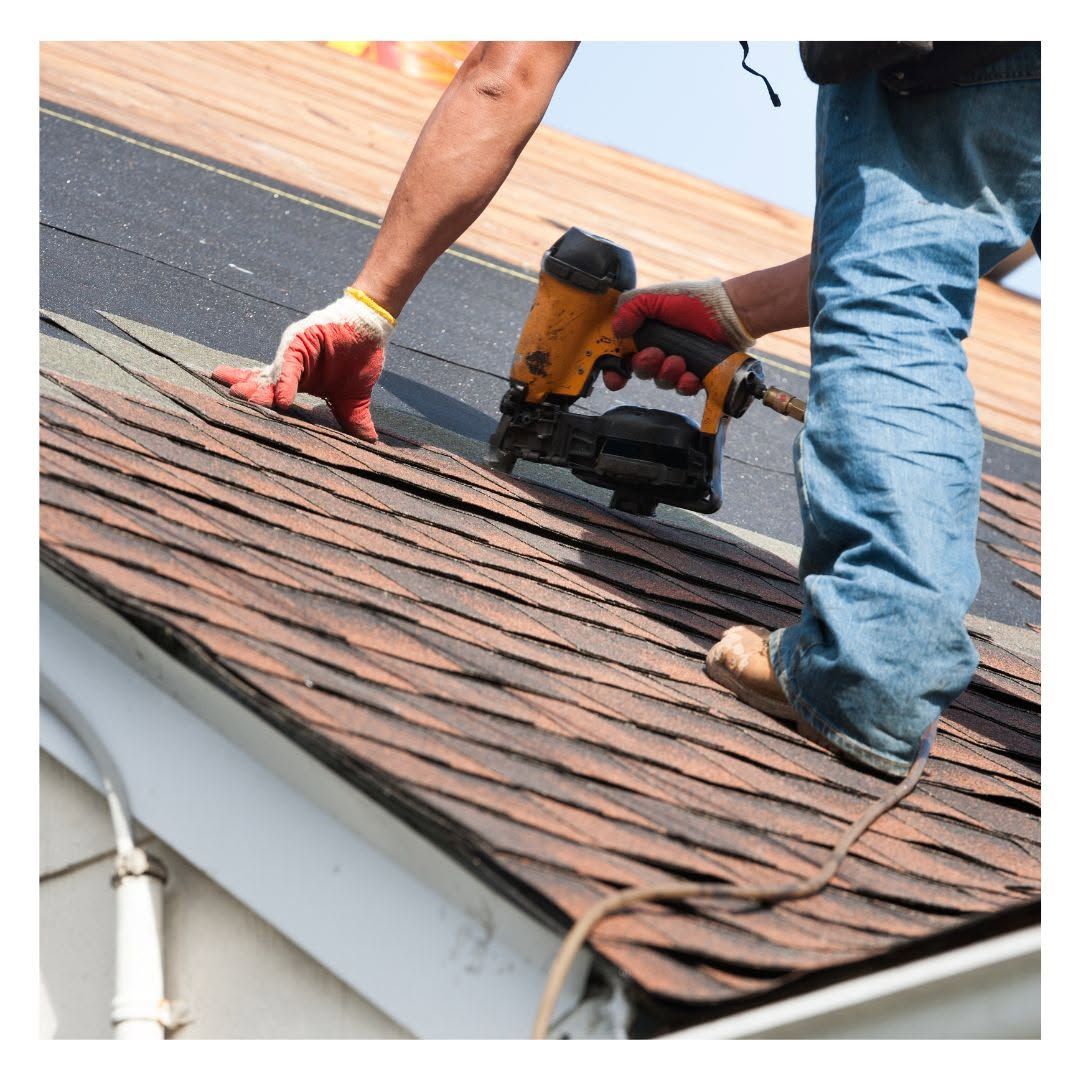
Roofing is never a safe or practical project for a do-it-yourself approach. Navigating steep pitches requires specialized safety harnesses, scaffolding, and commercial-grade tools. Furthermore, structural assessments demand an experienced eye to spot hidden rot, compromised rafters, and improper ventilation pathways. Attempting to fix a roof without professional training can lead to severe personal injury and can completely void any remaining material warranties on your shingles. If you suspect storm damage or notice structural warning signs, you should immediately contact a qualified technician to perform a comprehensive physical inspection.
Localized Context for Ellisville Homeowners
Residential neighborhoods throughout Ellisville, MO feature an array of housing designs, ranging from well-established mid-century ranch homes to sprawling modern subdivisions built within the last few decades. Older neighborhoods often feature mature trees that overhang roof lines, increasing the risk of impact damage from falling limbs and accelerated moss growth from dense shade.
Furthermore, local municipal building codes strictly govern specific ice-barrier requirements to prevent winter weather damage. Working with an experienced roofing team ensures that your project complies perfectly with all regional regulations and is built to handle the heavy snow loads and torrential downpours typical of West County.
Establishing Trust and Professional Authority
When evaluating companies to work on your home, verifying local credentials is non-negotiable. A premier contractor should always provide proof of comprehensive general liability insurance and current worker's compensation coverage to protect you from structural or personal liability. C & D General Contracting brings years of local building experience, utilizing fully licensed technicians who treat every property with absolute respect. By focusing on superior workmanship, transparent communication, and robust warranties, a proven local specialist ensures that your home investment is secure for the long haul.
Taking the Next Step for Your Home
Protecting your family starts with maintaining the structural integrity of your roof. If you have noticed missing shingles, localized leaking, or general wear, delaying action will only allow minor issues to grow into catastrophic structural damage. For reliable, professional assistance tailored to the unique climate of the region, you can easily reach out to schedule an inspection through the C & D General Contracting Contact Page to secure your property today.
FAQ Section
How long does a typical roof replacement take?
For most standard homes in the local area, a professional replacement takes between one and two days to complete. However, complex architectural designs, steep pitches, or extensive structural wood rot repairs can extend the timeframe. A dedicated crew will always prioritize weather windows to ensure your home is never left exposed to sudden storms.
Can I install a new roof over my existing shingles?
While some building codes technically allow for a second layer of shingles, it is generally not recommended. Installing a new layer traps heat, shortens the lifespan of the new materials, and prevents technicians from inspecting the underlying plywood deck for rot. A complete tear-off is always the best path for long-term reliability.
How do I know if my roof has storm damage?
Storm damage often manifests as bruised or dented shingles, missing sections after high winds, or fractured surfaces from hail impacts. Because this damage can be difficult to spot clearly from the ground, it is always safest to have an experienced inspector safely access your roof to document the issues for insurance purposes.
What roofing material is best for Missouri weather?
Architectural asphalt shingles are the most popular and practical choice for regional homes because they provide an excellent balance of wind resistance, impact protection against hail, and affordability. For homeowners seeking maximum durability, metal roofing options offer exceptional longevity and easily shed heavy winter snow.
How often should I have my gutters and roof inspected?
It is wise to have your roofing system evaluated at least once a year, preferably in the autumn before freezing weather arrives. Regular cleanings and inspections help catch minor issues like loose flashing or clogged valleys before they turn into major internal leaks during winter thaws.