Seasonal Roof Repair Strategies for Homeowners in Eureka MO
Seasonal Roof Repair Strategies for Homeowners in Eureka MO
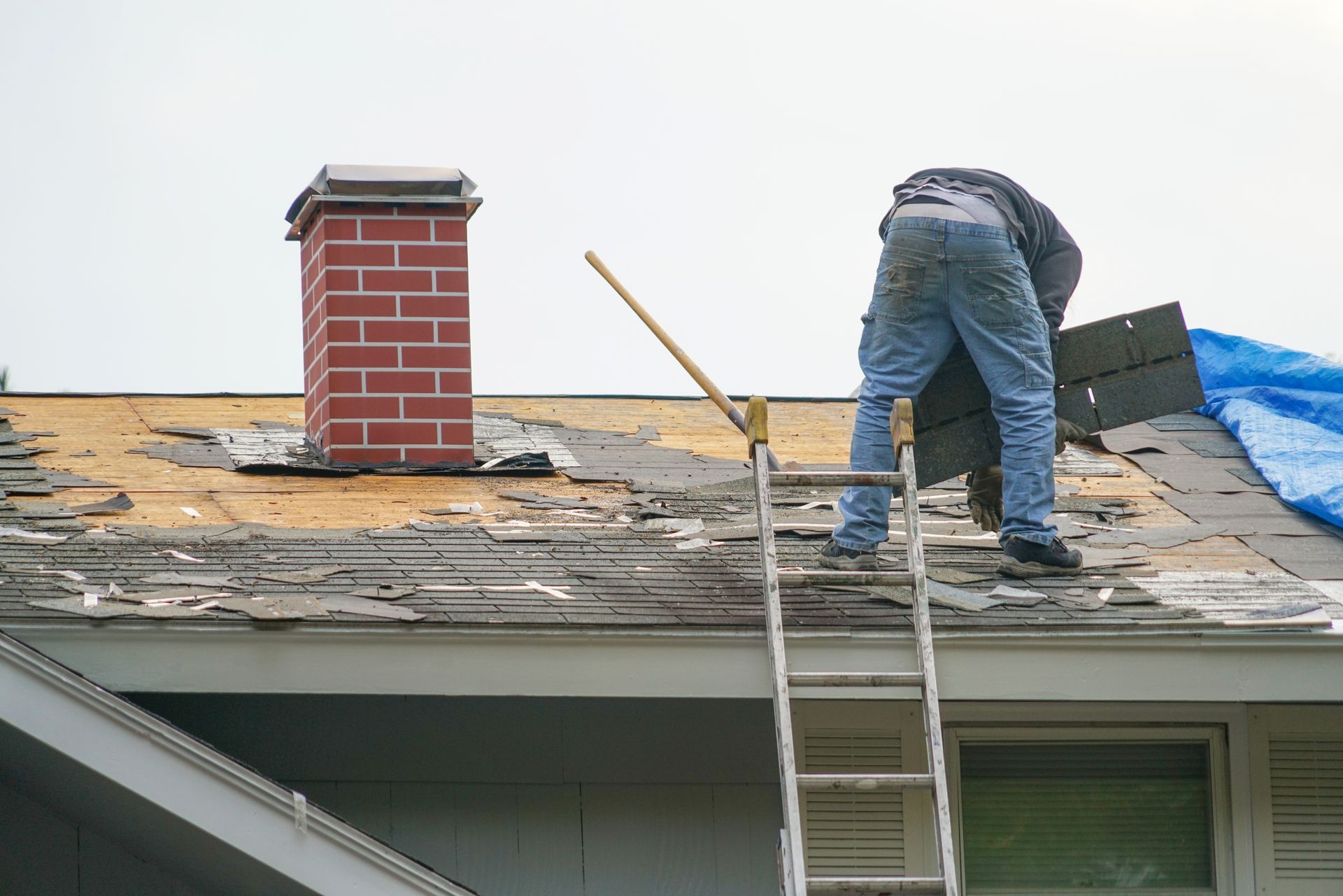
Maintaining a stable residential roofing system requires consistent vigilance throughout the changing Midwest seasons. For families living in Eureka, MO, local roofs are subjected to a brutal annual weather cycle, ranging from freezing winter ice storms to intense summer heat and humidity. These seasonal transitions put immense stress on standard building materials, often turning minor vulnerabilities into major structural leaks. Property owners who fail to address minor seasonal wear proactively frequently find themselves facing expensive emergency bills when the next major storm front rolls through St. Louis County. This helpful guide provides clear, practical advice on managing seasonal wear, protecting your home assets, and identifying exactly when your property needs targeted maintenance to survive the elements.
The Impact of Extreme Midwest Temperature Shifts
The climate in eastern Missouri is characterized by dramatic seasonal shifts that directly compromise the structural integrity of your roof. During the transition months of late autumn and early spring, local properties experience rapid temperature swings where conditions alternate between freezing nights and warm days. This ongoing process forces asphalt shingles, metal flashing, and wooden roof decking to expand and contract constantly. Over time, this thermal shock weakens underlying adhesive seals, loosens roofing nails, and creates small structural gaps around critical transition zones. If these minor openings are left unaddressed before a major rainy season, water will easily find a path into your home attic.
Signs Your Home Has Suffered Seasonal Roof Damage
Homeowners should perform standard ground-level visual checks at the conclusion of every major season to catch material deterioration before internal leaking begins.
Key structural symptoms that point to a need for targeted roof repair include:
- Curled or Split Shingle Edges: Intense summer UV radiation combined with sudden freezing temperatures causes asphalt mats to dry out, leading to cracking or upward curling.
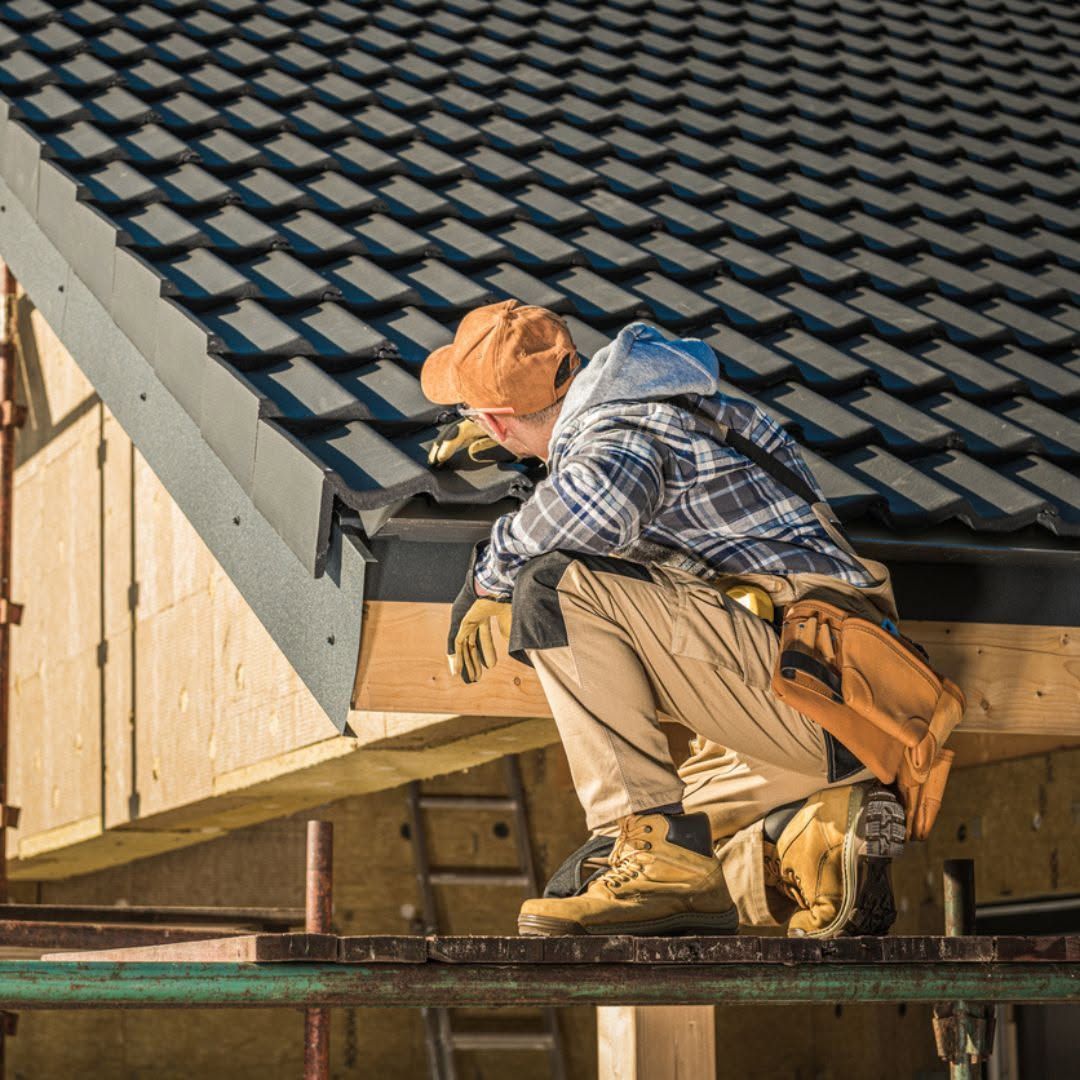
- Separated Valley Flashing: Metal valleys contract sharply during extreme winter cold, which can pull them away from the surrounding shingles and crack protective caulk seals.
- Granule Accumulation: Finding a large amount of protective sand-like granules in your gutter tracks after a heavy spring thaw indicates that your shingles are losing their weatherproofing layer.
- Water Spotting on Attic Rafters: Dark rings or damp insulation in your upper attic space reveal that seasonal moisture has penetrated the primary underlayment.
Common Seasonal Causes of Roof Failures
Each distinct season brings a unique set of environmental threats to residential properties. In the wintertime, the primary culprit behind localized leaks is the freeze-thaw cycle. When snow melts on your roof and flows down to the colder eaves, it refreezes, creating thick ice dams that back up water beneath your shingles. As spring arrives, the risk shifts to severe thunderstorms capable of producing large hail impacts that fracture shingle mats. Summer brings oppressive humidity and direct UV exposure, which cooks shingles from above while trapped attic heat degrades them from underneath, showcasing why balanced ventilation is absolutely critical.
Strategic Maintenance Solutions for Every Season
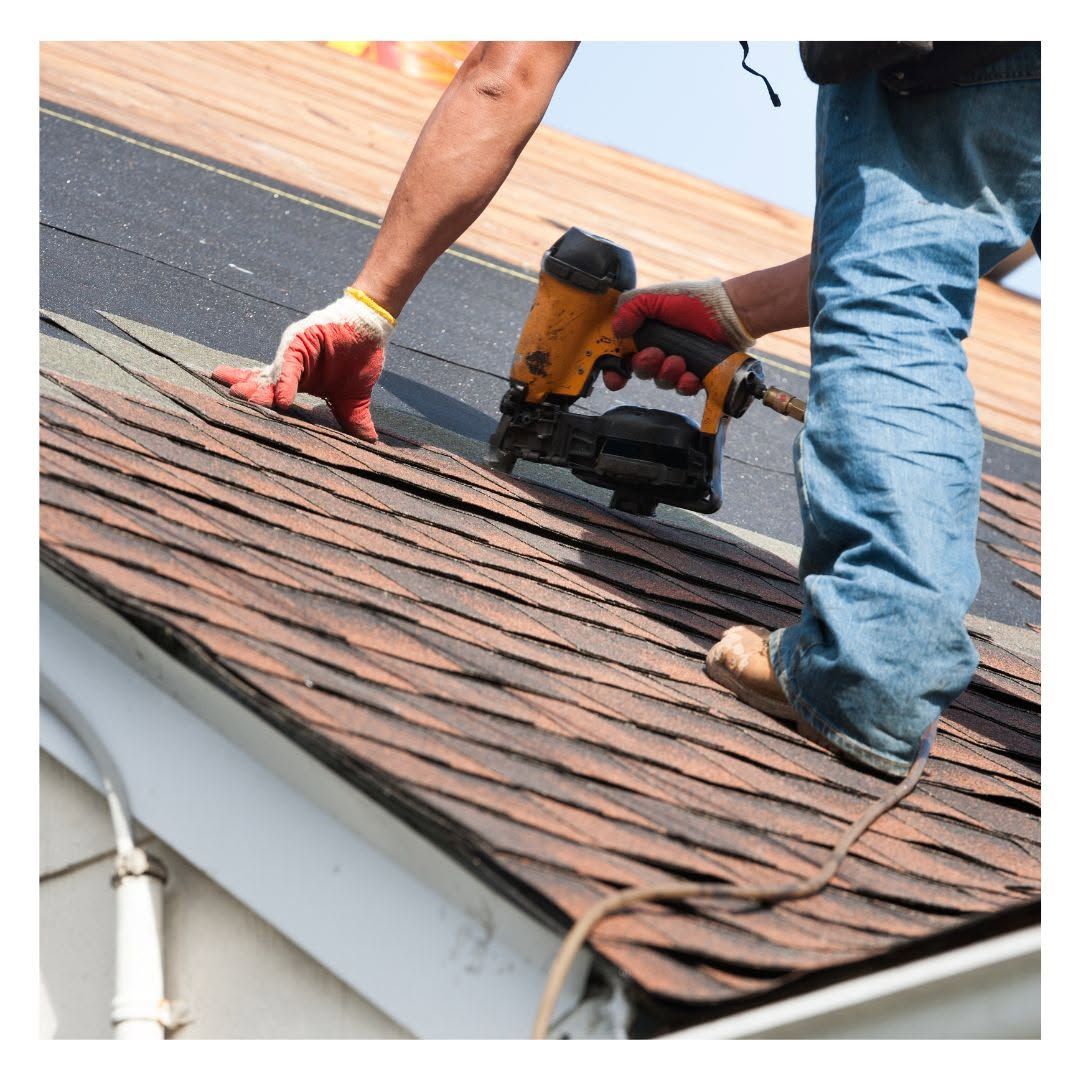
Addressing roof issues through targeted seasonal maintenance extends the life of your system and prevents early structural failure. A comprehensive autumn checkup should focus on clearing all organic debris from valleys, inspecting chimney flashing, and securing loose shingles before the first freeze. Spring solutions generally involve addressing the aftermath of winter weather, which includes replacing missing shingles torn away by high winds and resealing exposed plumbing boots. Utilizing high-quality polymer-modified sealants during these repairs ensures that the fixed areas remain flexible enough to withstand future temperature extremes without cracking.
Budgeting and Repair Cost Variables
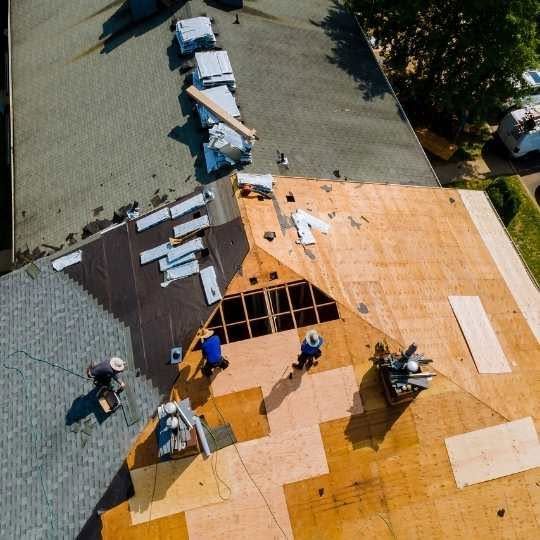
The total cost of a professional repair depends entirely on the location of the leak, the extent of the seasonal damage, and the specific structural materials involved. Simple flashing repairs or replacing a few wind-damaged shingles represent the most economical service level. However, if a leak has gone unnoticed for an entire season and water has saturated the underlying plywood decking, the rotten support wood must be cut out and replaced, which increases material and labor costs. To maintain financial control, it is wise to address repairs as soon as a symptom is spotted rather than allowing moisture to rot your home framework.
When to Call a Certified Professional
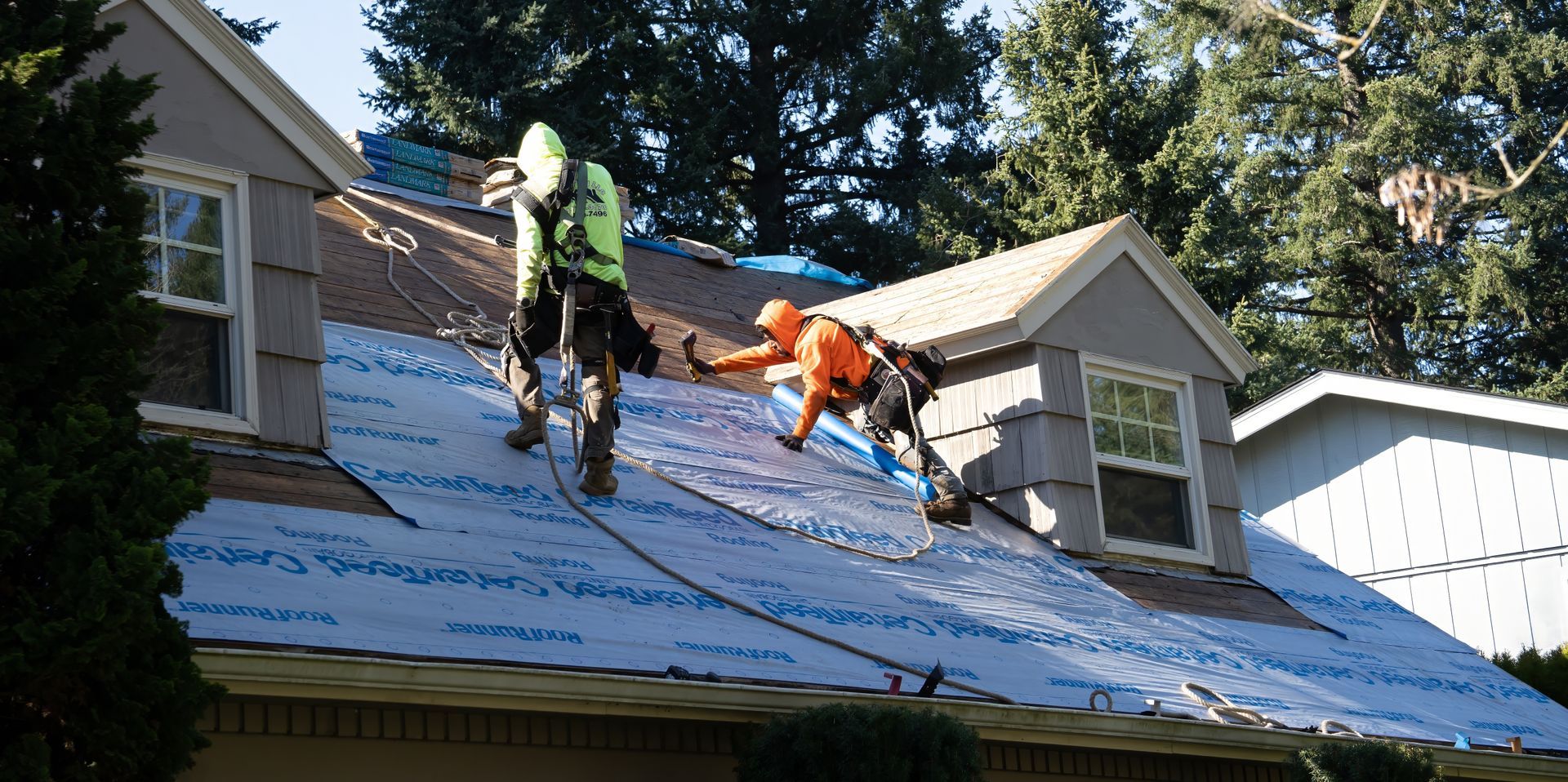
While cleaning out low gutters is a manageable task for some, walking on a sloped roof to diagnose a leak is incredibly dangerous and should always be left to professionals. Certified technicians possess specialized fall-arrest equipment, heavy-duty safety rigging, and the technical training required to navigate steep roofs safely without causing additional material damage. Furthermore, an expert inspector knows how to trace a water stain back to its true source, which is frequently located far from where the water actually drips through your ceiling. Attempting a DIY patch with improper retail materials often voids manufacturer warranties and fails during the next major downpour.
Localized Environmental Challenges for Eureka Properties
Residential properties throughout Eureka, MO are uniquely impacted by the local geography and surrounding natural environment. Many neighborhoods are situated near heavily wooded state parks and local conservation areas, meaning homes are exposed to significant shade and constant falling debris. Overhanging oak and pine branches drop leaves and needles that trap moisture on shingle surfaces, accelerating moss and algae growth during humid summer months. Additionally, local building codes mandate specific ice-barrier installations due to regional winter patterns, meaning any repair work must align with strict county guidelines to ensure long-term compliance and safety.
Partnering with a Trusted Local Authority
When your home requires structural intervention to combat seasonal wear, working with a fully licensed and locally rooted contractor is essential for lasting peace of mind. A reputable business will provide transparent assessments, detailed written estimates, and a reliable labor warranty to protect your investment. Choosing a specialized firm such as C & D General Contracting ensures that your seasonal maintenance or emergency repairs are handled by skilled craftsmen who live in the area and understand regional building demands. By verifying insurance credentials and choosing local expertise, you protect your property value from low-quality workmanship.
Securing Your Home for the Upcoming Season
Do not wait for active water stains to ruin your interior drywall before checking the health of your roof system. Taking a proactive approach to seasonal care keeps your family safe, dry, and secure regardless of what the Missouri weather forecast brings. If you suspect your home has suffered wind wear, hail bruising, or ice damage from recent seasonal shifts, you can easily schedule a comprehensive professional evaluation by visiting the C & D General Contracting Website to reinforce your home defense system today.
FAQ Section
Why do winter freeze-thaw cycles damage local roofs?
Winter freeze-thaw cycles are damaging because water expands as it freezes. When snow melts during a sunny Missouri day, the water runs into tiny cracks around your flashing or under shingles. When temperatures plunge at night, that water turns back to ice, expanding forcefully and widening the gaps, which creates a direct path for leaks during the next thaw.
How can I tell if my gutters are contributing to roof leaks?
If your gutters are completely packed with leaves, twigs, and pine needles, rainwater cannot flow through the downspouts. During a heavy downpour, this backed-up water rises to the edge of your roofline, seeps under the lower shingle edges, and saturates the fascia boards and roof decking, leading to rot along your eaves.
Is hail damage always visible from the ground?
No, hail damage is rarely visible from ground level unless a major storm has completely torn away large sections of materials. Hail usually creates dark, circular bruises on the shingle surface that fracture the internal fiberglass mat. These fractures can only be identified during a close physical inspection on the roof surface.
Can high summer humidity cause roof rot?
Yes, high summer humidity can cause rot if your attic space lacks proper ventilation. When humid air becomes trapped in an unventilated attic, moisture condenses on the underside of your wooden roof decking. Over time, this chronic dampness breeds mold growth, weakens structural rafters, and causes shingles to buckle.
How often should a local home receive a roof inspection?
It is highly recommended to have your roof inspected twice a year, specifically in the spring after winter ice has cleared and in the autumn before severe freezing weather returns. Routine checks allow technicians to catch minor structural flaws, failing seals, and loose flashing before they escalate into costly interior water emergencies.