
Emergency Roof Tarping Ballwin, MO
When wind, hail, falling debris, or another storm event leaves part of a Ballwin roof open, the first goal is to limit additional water entry until permanent work can be planned. C&D General Contractors provides 24/7 emergency roof tarping for damaged areas that need temporary weather protection.
A tarp is a stabilization measure, not the finished repair. C&D first looks for the safest workable coverage area, checks what can support temporary fastening, and protects the opening without pretending the underlying roof problem has been solved. The damaged roof can then be inspected more completely when conditions allow.
What Emergency Roof Tarping Is Meant To Do In Ballwin
Emergency tarping is meant to buy time. It helps block direct rain from an exposed roof area when shingles, ridge material, flashing, or a section of the roof has been opened by a storm. A useful tarp needs enough overlap and secure attachment to direct water beyond the damaged zone instead of trapping it at the edge.
C&D also keeps the temporary step separate from the final repair. Once the immediate weather risk is reduced, the roof still needs to be evaluated for torn roofing, damaged flashing, wet or weakened decking, affected gutters, and any interior moisture that entered before or during the storm.
Temporary Protection From A Contractor That Can Handle The Follow-Up Work
An emergency tarp is more useful when the contractor also understands what comes after it. C&D handles roofing, siding, gutters, windows, and masonry work, so storm stabilization can lead into a coordinated inspection and repair plan without treating each exterior problem as unrelated.
Temporary Coverage Is Used When The Roof Cannot Safely Wait Unprotected
Not every leak needs a tarp, and not every tarp should be installed in the same way. C&D looks at the opening, roof shape, weather exposure, access, and condition of the surrounding material before choosing a temporary protection approach.
Missing Shingles Or Roof Sections
When roofing has blown away and the layers below are exposed, temporary coverage can help keep rain off the open assembly until permanent materials are installed.
Tree Or Debris Impact
A branch or storm-thrown object may damage more than the visible surface. Tarping can protect an opening after the area is made safe enough for temporary coverage.
Cover The Water Path, Not Only The Visible Hole
Rain can travel under roofing before it appears indoors. C&D positions temporary protection so runoff is carried over and beyond the damaged section, with attention to ridges, slopes, penetrations, and roof edges that can send water beneath a poorly placed tarp.
Damaged Ridge, Vent, Or Flashing
Openings around ridge materials, vents, chimneys, or wall transitions may need broader temporary coverage when the permanent detail cannot be rebuilt immediately.
Leak Area Awaiting Repair
If a leak source is identified but permanent work must wait, a correctly placed tarp may be used to reduce direct weather exposure over the affected roof section.
Active Openings And Ongoing Water Entry Deserve Priority
A ceiling drip alone does not automatically mean the exterior can be safely tarped, but missing roofing, visible deck exposure, storm-created holes, or water entering through a newly damaged area are reasons to have the roof assessed quickly. Safety comes before climbing or improvised coverage.
- Look from the ground for missing roof sections, exposed underlayment, displaced ridge material, damaged vents, or tree impact without walking onto a wet or unstable roof.
- Move belongings away from active interior drips and use containers where practical, but avoid electrical fixtures or sagging ceilings that may have collected water.
- Keep people away from the area below hanging gutters, branches, loose fascia, or roofing material because storm-damaged exterior components can fall without warning.
- Photograph visible conditions from a safe location before cleanup or temporary protection when documentation can be gathered without delaying urgent safety steps.
Ballwin Emergency Tarping Checker
Choose the situation closest to what is happening now. The result explains the temporary protection issue C&D should evaluate first.
Temporary Protection Still Has To Respect The Roof Shape And Water Flow
A tarp performs best when it is treated like a short-term water-shedding layer. Placement, overlap, attachment, roof pitch, penetrations, and drainage all matter. The goal is to reduce exposure without creating a false sense that the permanent damage no longer needs attention.
- Extend temporary coverage beyond the visible opening so wind-driven rain is not directed underneath the tarp at the damaged boundary.
- Use attachment points that can hold the temporary cover without depending on loose shingles, broken trim, or obviously weakened roof materials.
- Route the tarp around or over penetrations carefully because vents, chimneys, pipes, and wall transitions can create new entry points if left at an exposed edge.
- Keep gutters and roof edges as clear as practical so water leaving the tarp does not collect behind debris or pour into a damaged fascia area.
- Reinspect the permanent damage after stabilization because hidden moisture, torn underlayment, soft decking, and displaced flashing may remain below the temporary cover.
Four Roof Conditions Can Change How A Tarp Needs To Be Placed
A flat rectangle of material is not automatically useful on a roof with ridges, valleys, penetrations, and changing slopes. C&D considers how the damaged section connects to the rest of the roof before temporary coverage is secured.
Ridges And Upper Slopes
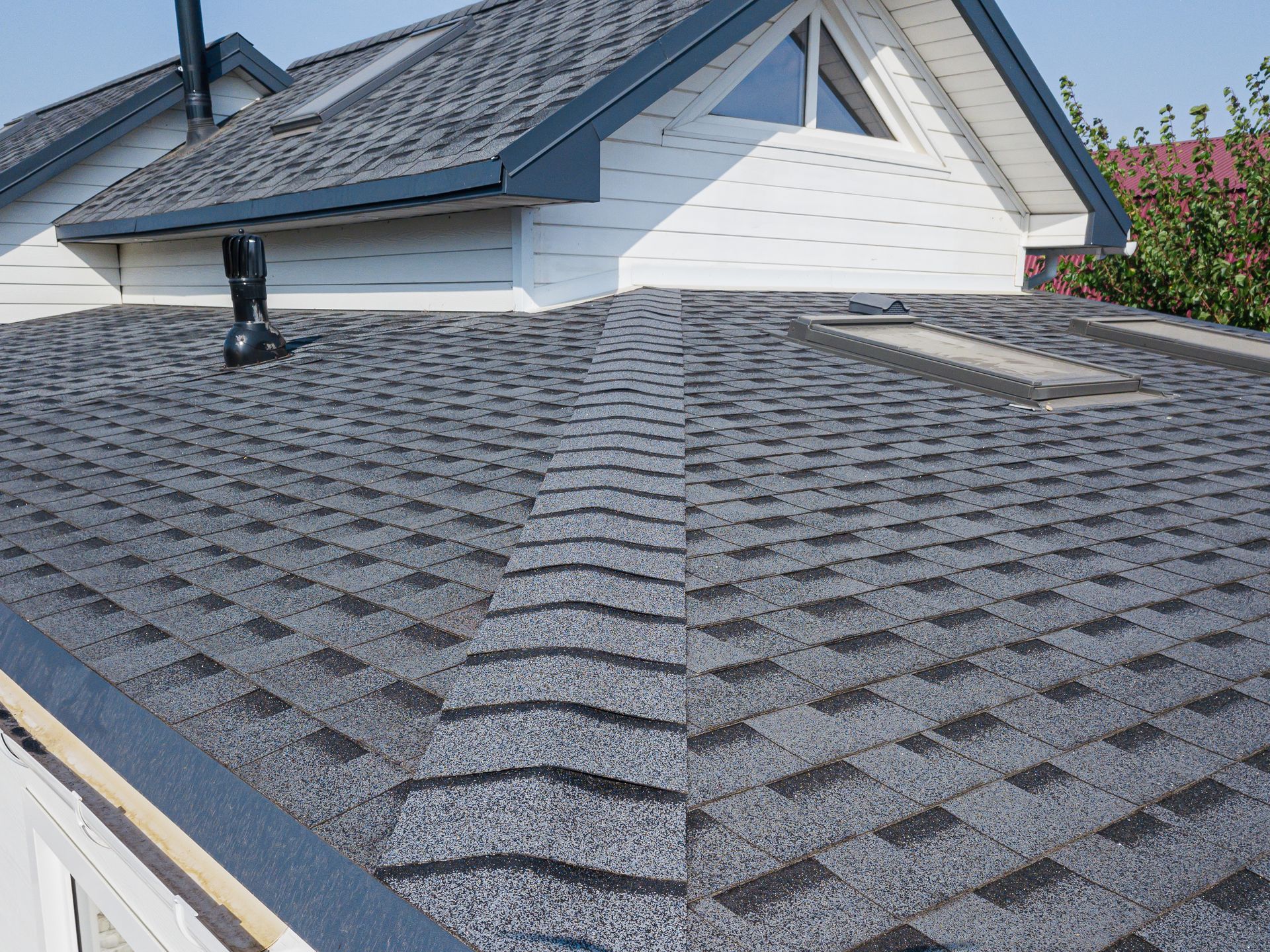
Damage near a ridge may require coverage to extend over a higher point so runoff cannot travel beneath the tarp from above.
Valleys And Roof Intersections
Valleys collect water from two roof planes, so temporary protection must avoid creating a dam or sending runoff under an exposed edge.

Chimneys, Vents And Pipes
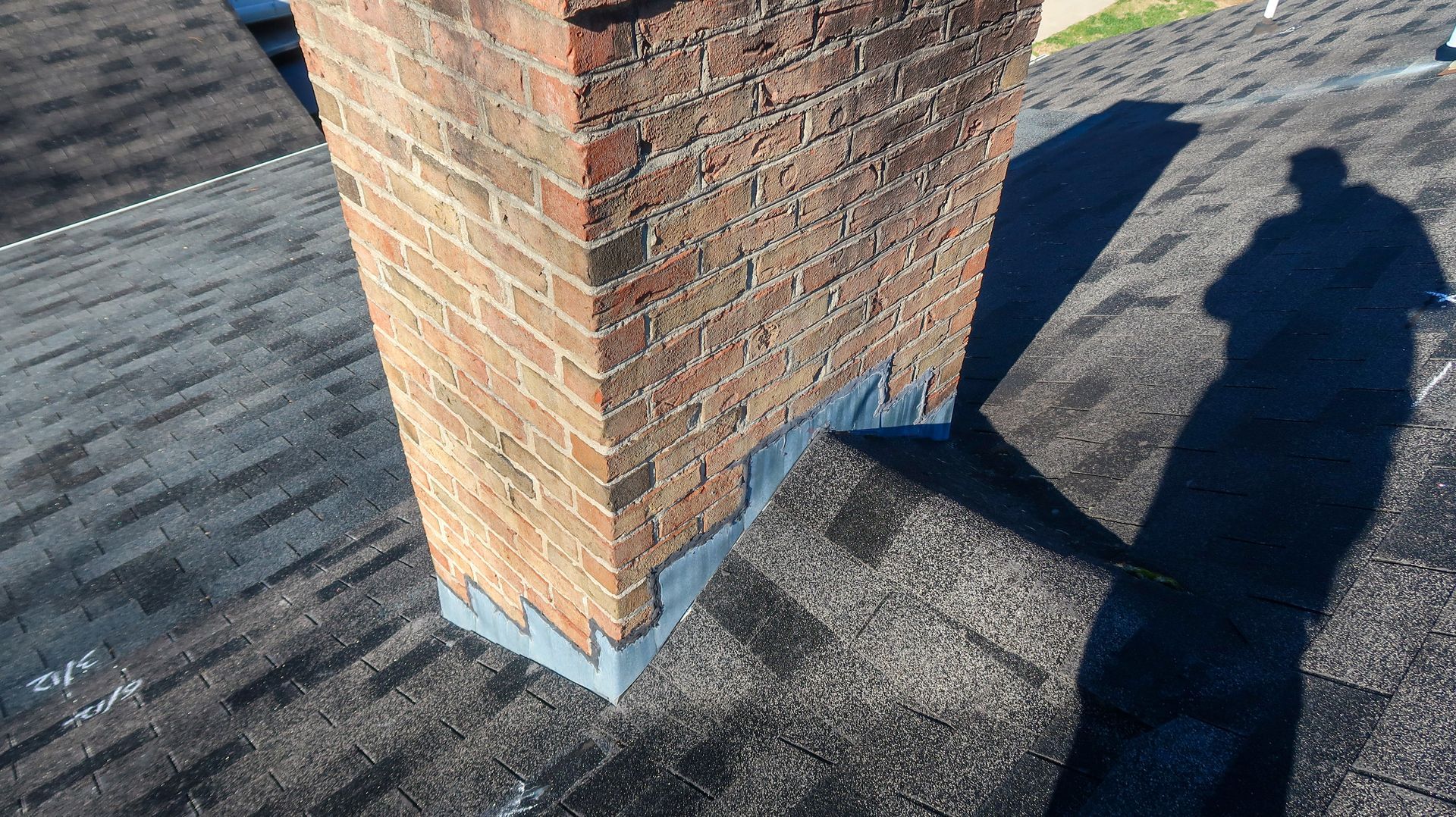
Penetrations can interrupt the tarp surface and need careful treatment so the temporary layer does not leave a gap around them.
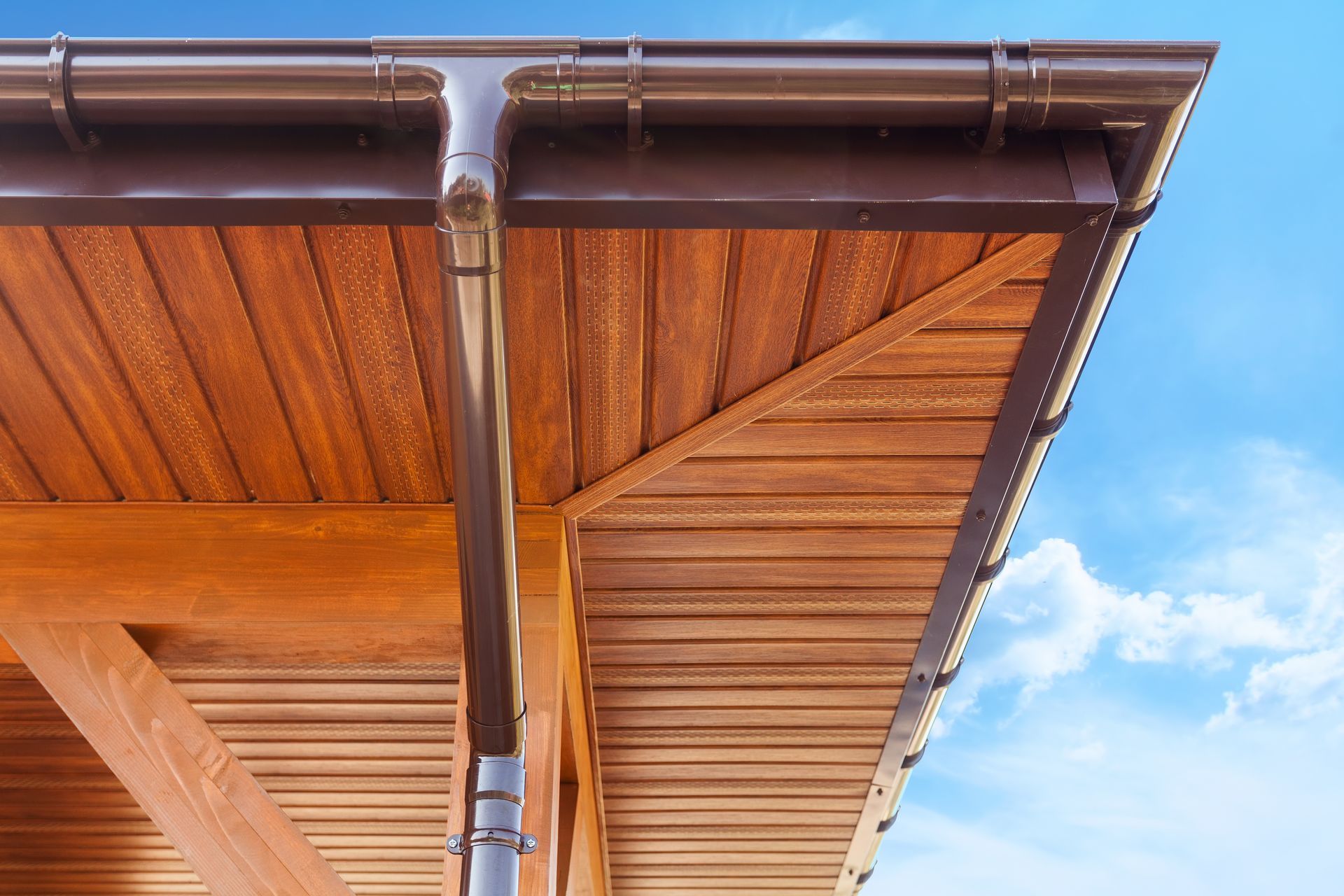
Eaves, Fascia And Gutters
The tarp should discharge water away from the damaged edge without blocking gutters or loading loose fascia and downspout connections.
Five Steps To Stabilize The Roof And Prepare For Permanent Work
Emergency work has two jobs: reduce the immediate weather exposure and preserve a clear path toward repair. C&D reviews the reported problem, identifies a safe temporary coverage area, documents the damage, secures the tarp, and then explains what should be inspected next.
Review The Immediate Risk
C&D identifies the reported opening, active leak, debris impact, and current access concerns before deciding how temporary protection can be approached.
Inspect The Coverage Area
The roof section is checked for loose materials, penetrations, unstable edges, and a stable point above and around the damage where the tarp can overlap.
Document The Storm Damage
Visible roofing loss, openings, exterior damage, and temporary protection conditions are recorded for repair planning and possible insurance use.
Install Temporary Weather Protection
The tarp is positioned and secured to direct runoff over the damaged area while avoiding obvious drainage traps and loose attachment points.
Plan The Permanent Follow-Up
C&D explains what still needs inspection or repair beneath the temporary cover, including roofing, flashing, decking, gutters, and interior moisture concerns.
Urgent Roof Work Still Needs Controlled Access Below The Damage
Storm-opened roofs can drop shingles, nails, branches, metal, or gutter parts into yards and driveways. Emergency tarping also requires ladder and roof access near the damaged area. C&D establishes practical work zones so temporary protection can be installed without adding avoidable risk around the home.
- Keep family members, pets, vehicles, and visitors away from the ground area beneath loose roofing, branches, gutters, or damaged roof edges.
- Choose ladder positions that avoid unstable surfaces and provide access without leaning against visibly loose gutter or fascia sections.
- Move outdoor furniture and vulnerable items away from active drop zones when it can be done safely before the crew begins temporary work.
- Collect loose roofing, fasteners, packaging, and storm debris around the immediate work area as the tarp is installed.
- Leave the tarp in place only as temporary protection and schedule the underlying roof damage for permanent inspection and repair.

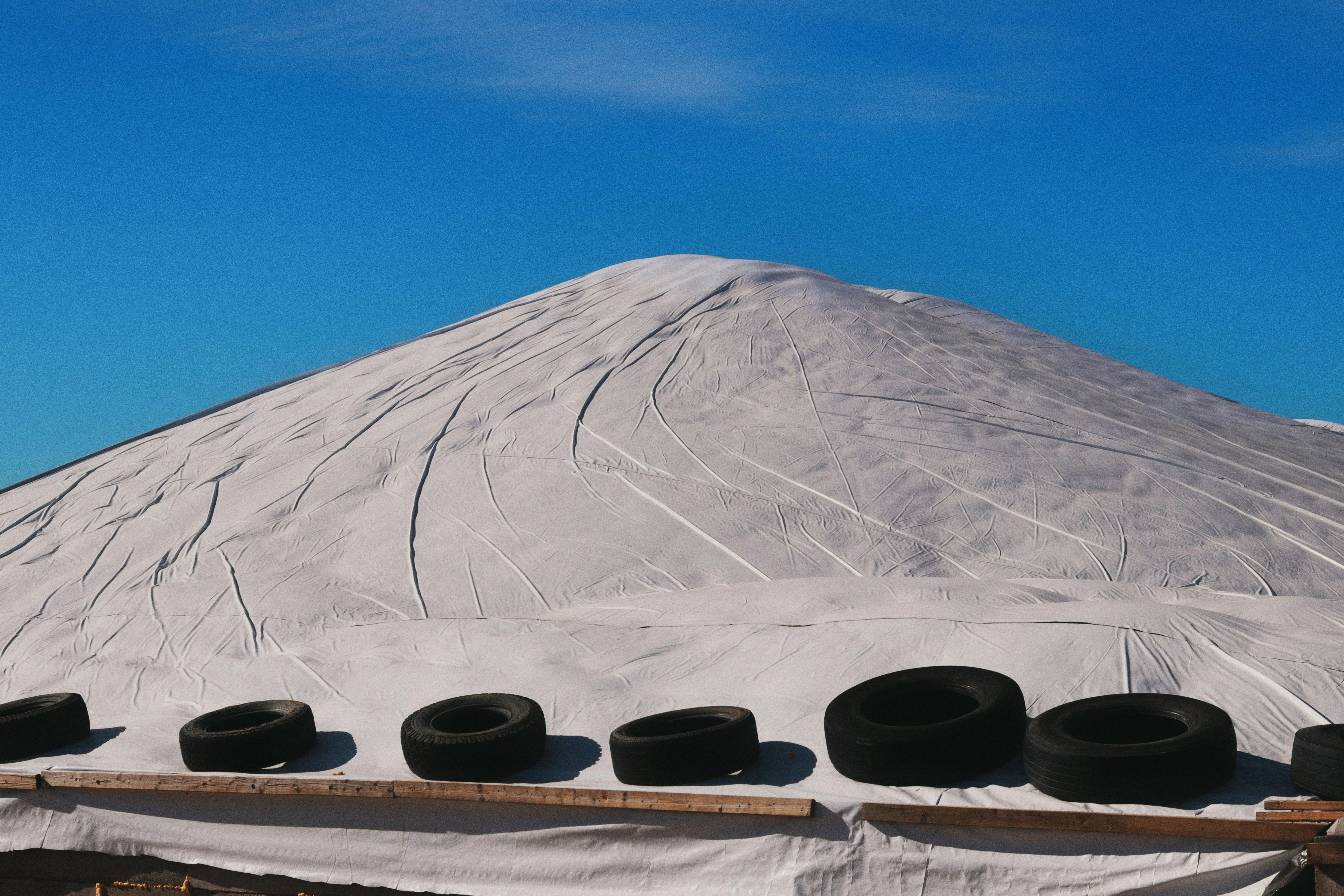
24/7 Roof Tarping Across Ballwin And West St. Louis County
C&D provides emergency roof tarping for Ballwin properties near Manchester Road, New Ballwin Road, Holloway Road, Ries Road, Clayton Road, Vlasis Park, and surrounding neighborhoods. The area includes tree-lined lots, multi-level roofs, additions, garages, and exterior details that can make storm openings difficult to cover with a simple ground-level solution.
A damaged roof near mature trees may involve branch impact and debris, while a more open property may have large areas of wind-lifted roofing. C&D bases temporary protection on the actual opening, slope, access, penetrations, and drainage pattern rather than using one tarp placement for every property.
Plan What Comes After The Temporary Tarp
Once the roof is protected, the next step may be a focused repair, a larger replacement scope, or connected gutter and siding work. These C&D resources help property owners move from emergency protection to permanent exterior restoration.
Ballwin Roofing Follow-Up
Connected Exterior Repairs
Questions Property Owners Ask When The Roof Is Open Or Leaking
These answers cover when tarping is useful, 24/7 availability, active leaks, safety, tree impact, insurance documentation, how long a tarp should be treated as temporary, and what happens before permanent repair.
Does C&D provide 24/7 emergency roof tarping in Ballwin?
Yes. C&D offers 24/7 emergency tarping for storm-damaged roofs that need temporary weather protection before permanent repair can be completed.
Is a roof tarp a permanent repair?
No. A tarp is temporary protection intended to reduce weather exposure. The damaged roofing, flashing, decking, penetrations, and connected exterior areas still need to be inspected and repaired as appropriate.
Should I climb onto the roof to install my own tarp during a storm?
Do not climb onto a wet, unstable, steep, or actively storm-damaged roof. Loose materials, wind, water, branches, and hidden deck damage can make roof access dangerous.
Can a tarp help if shingles blew off but the roof is not leaking yet?
Temporary protection may still be useful when roofing is missing and the layers below are exposed. C&D evaluates the opening, weather risk, and surrounding roof condition before deciding how to cover it.
What if a tree branch damaged the roof?
Keep away from the impact area and any hanging debris. Once the area can be accessed safely, C&D can evaluate temporary roof protection and document the visible damage for permanent repair planning.
Will C&D document the damage before tarping?
When conditions allow, C&D records visible storm damage and the area receiving temporary protection. That documentation can support repair planning and may be useful when insurance is involved.
Can an emergency tarp cover a chimney, vent, or pipe area?
Those penetrations can make tarp placement more complicated. The temporary cover needs to shed water around the detail without leaving an exposed edge that directs rain back toward the damaged area.
What happens after the tarp is installed?
The next step is a fuller inspection of the underlying damage. C&D can evaluate roofing, flashing, decking, gutters, and related exterior conditions and then explain the permanent repair scope.
What affects the cost of emergency roof tarping?
Roof height, pitch, access, size and location of the opening, storm debris, penetrations, and the amount of temporary material and fastening work can affect the scope. The property must be evaluated before exact work is defined.
Can C&D help with insurance after emergency storm damage?
Yes. C&D provides insurance claim assistance and can document the visible storm conditions, temporary protection, and follow-up repair scope being discussed with the owner.
Need Emergency Roof Tarping In Ballwin? C&D Offers 24/7 Temporary Protection
Call C&D General Contractors when storm damage has opened the roof, removed roofing, caused a tree impact, or created an active weather entry point. Emergency tarping can reduce additional exposure while the permanent roof and exterior repair scope is being defined.