
Hail Damage Roof Inspections Ballwin, MO
After hail crosses Ballwin, the hard part is deciding what actually changed on the property. C&D General Contractors inspects the roof surface, ridge materials, penetrations, flashing, gutters, downspouts, and other exposed exterior components so the owner has a clear record of observed storm conditions.
A roof can show different levels of impact from one slope to the next because pitch, tree cover, wind direction, age, and previous repairs change how each area receives a storm. The inspection focuses on real physical conditions rather than assuming every mark is hail damage or dismissing concerns from the ground.

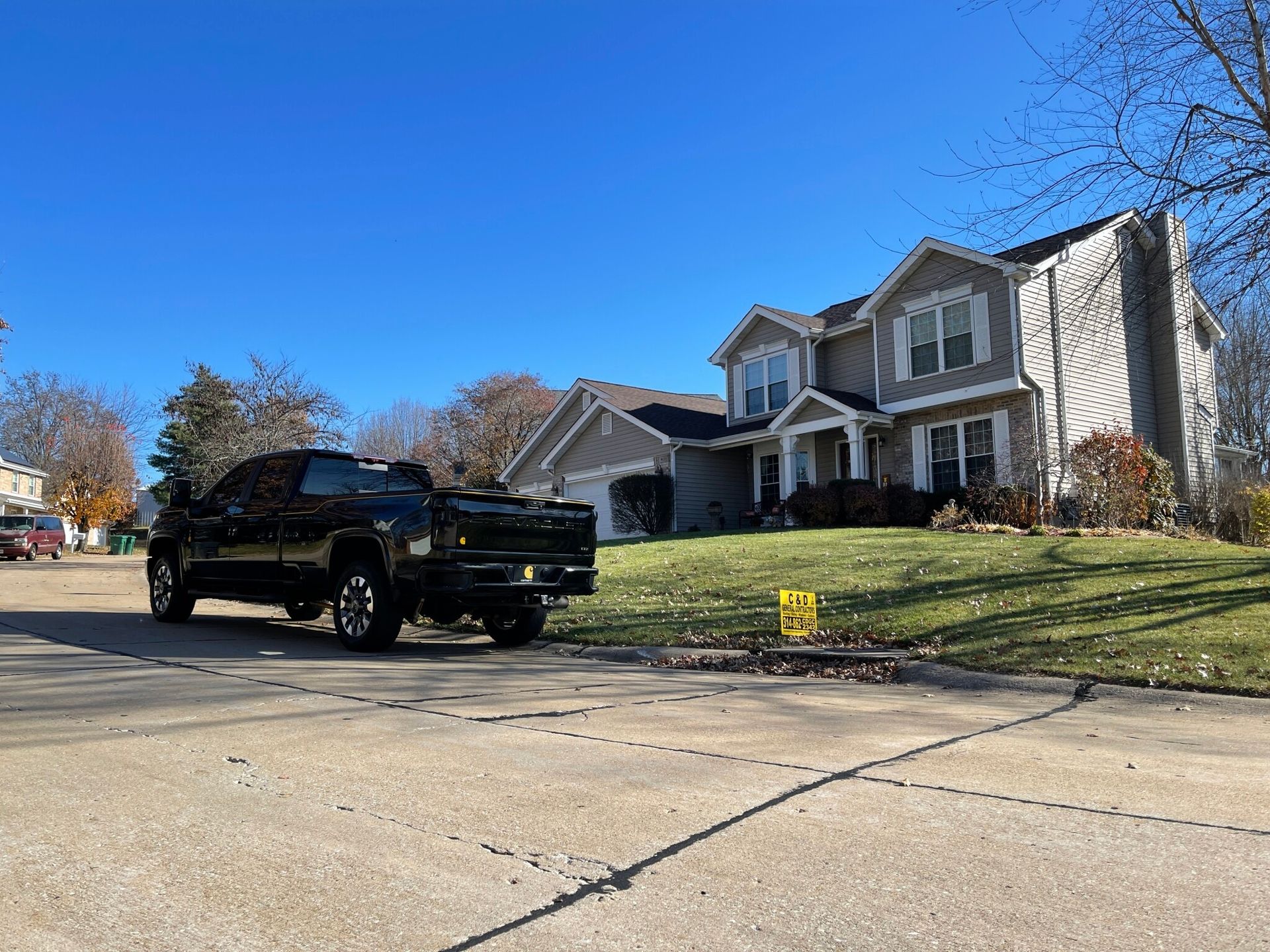
What A Hail Damage Roof Inspection Should Actually Tell You
A useful hail inspection does more than count dents. It should identify where the roof was affected, which materials show functional damage, whether flashing or penetrations were disturbed, and whether connected exterior components such as gutters or siding show the same storm pattern. The condition of older repairs and normal weathering also needs to be separated from recent impact.
C&D documents the roof as it exists after the storm and explains what the findings mean in practical terms. Some properties need targeted repair. Others may have broader damage that calls for replacement planning. If no clear hail damage is found, the homeowner should know that too rather than being pushed toward work the inspection does not support.
Storm Inspection Backed By A Full Exterior Team
Hail rarely respects trade boundaries. The same storm that marks shingles can also affect vents, gutters, downspouts, siding, window trim, or masonry details. C&D works across roofing and exterior construction, which allows the inspection to consider how the property performed as a connected system.
Different Clues Help Show Where The Storm Hit And What It Changed
The inspection moves from the roof field to the exposed details around it. That broader view helps avoid treating a single dent or worn shingle as proof by itself and gives the owner a better basis for deciding what happens next.
Shingle And Ridge Conditions
C&D checks field shingles and ridge materials for impact patterns, disturbed edges, fractures, missing pieces, and differences between exposed and protected areas.
Flashing, Vents And Soft Metals
Roof vents, pipe flashings, valley metal, drip edge, and other exposed metal details are reviewed for fresh dents or disturbance that may line up with roof-surface findings.
Document The Pattern, Not Just One Mark
Hail findings make more sense when similar evidence appears across several roof areas or connected exterior surfaces. C&D compares slopes, ridges, penetrations, metals, gutters, and wall exposures before explaining whether the condition looks isolated, widespread, or unrelated to the recent storm.
Gutters And Downspouts
Gutter faces, top edges, outlets, and downspouts can show impact evidence while also revealing whether drainage was already loose, clogged, or out of alignment.
Siding And Exterior Surfaces
When the storm reached walls as well as the roof, C&D can inspect siding and related exterior components for cracks, dents, loosened pieces, and impact points.
Start With What Changed After The Storm
Homeowners often notice a leak, loose material, gutter dents, or debris before they can see anything on the roof itself. Those observations help set inspection priorities, but they do not replace a close roof review where the storm path and material condition can be compared.
- Look for new granules or shingle pieces near downspout outlets and along walkways after the storm, while keeping in mind that normal aging can also shed material.
- Compare metal vents, gutters, downspouts, and flashing for fresh dents that appear consistent across the property instead of relying on one isolated mark.
- Check ceilings, attic surfaces, and upper walls for moisture that appeared after the storm, especially near penetrations, valleys, or roof-to-wall transitions.
- Photograph ground-level changes before cleanup when it is safe to do so, then leave steep or wet roof surfaces to a trained inspection crew.
Ballwin Hail Inspection Checker
Choose the condition closest to what you noticed. The result points to the part of the property that should receive extra attention during the inspection.
A Strong Inspection Connects Roof Evidence With The Details Around It
A hail inspection is most useful when each material is judged for the job it performs. Shingles shed water, flashing protects transitions, vents open through the roof, decking supports fasteners, and gutters carry runoff away. Damage in one area can change the repair plan for another.
- Review field shingles and ridge materials for impact, displacement, cracking, or other storm-related changes while noting ordinary age and wear separately.
- Check penetrations and flashing because dents or movement around vents, pipes, sidewalls, and chimneys can create leak paths even when nearby shingles remain in place.
- Inspect exposed gutters and downspouts for impact patterns, loose joints, shifted pitch, or storm debris that may interfere with drainage.
- Look below the roof surface when leak evidence suggests that moisture may have reached underlayment, sheathing, insulation, or interior finishes.
- Record connected siding, trim, window, and masonry conditions when the storm appears to have affected vertical surfaces as well as the roof.
Four Places Small Storm Clues Can Change The Inspection
Ballwin roofs often combine shaded slopes, trees, masonry, additions, and long gutter runs. Hail can leave different evidence on each material, so C&D compares exposed details rather than relying on a single visual clue.
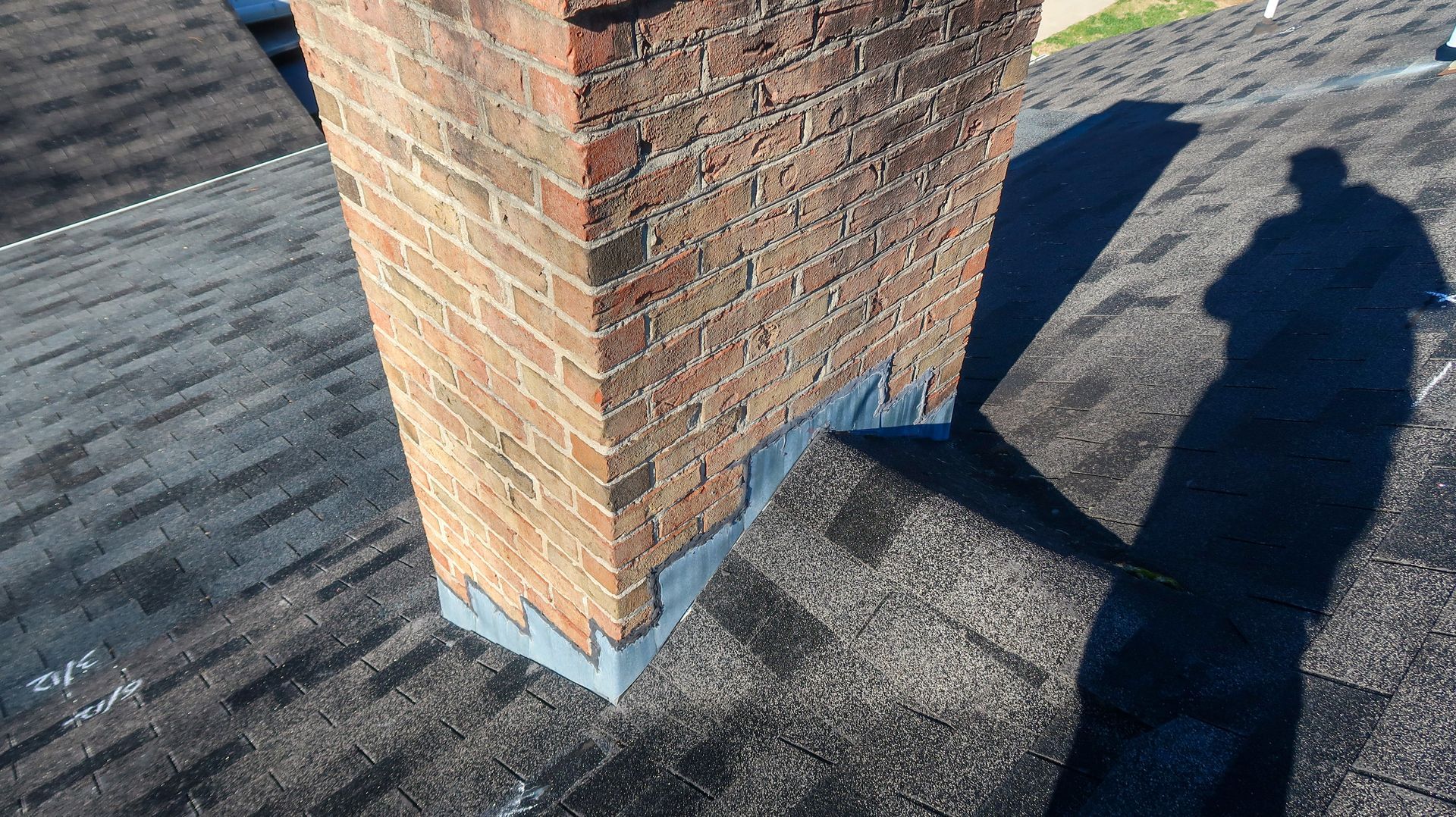
Ridges And High Roof Areas
Ridge caps and upper slopes receive direct weather exposure and may show impact or movement that is hard to see from the yard.
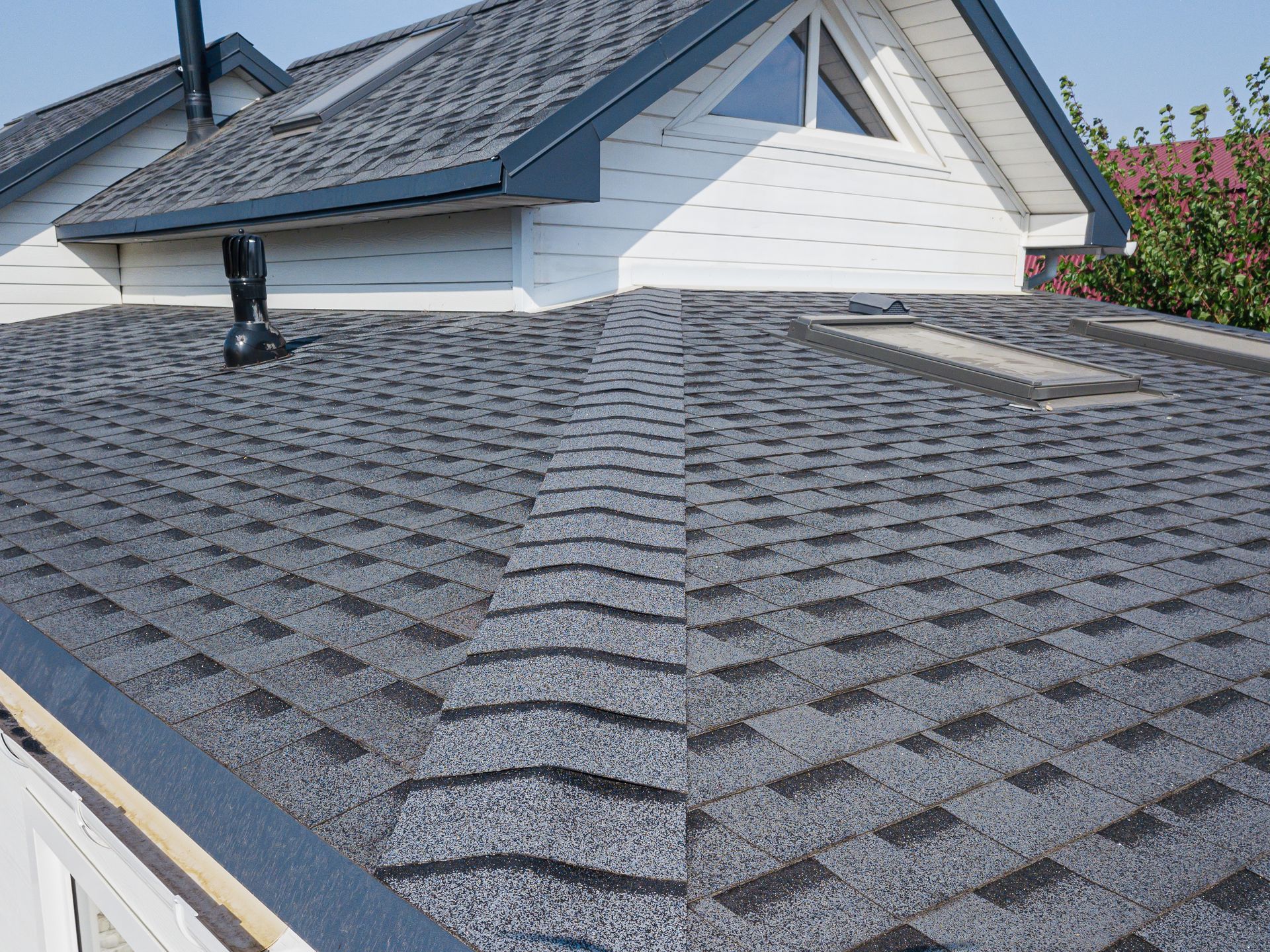
Pipe Boots And Roof Vents
Metal and rubber penetration details can be dented, cracked, or loosened during a storm and should be checked for leak potential.

Gutters, Downspouts And Edges
Fresh dents along gutter faces or downspouts can support the broader storm picture while edge damage can affect roof drainage.

Siding And Wall-Facing Surfaces
Wind-driven hail can reach vertical walls, trim, and related exterior materials, especially on the side facing the storm.
Five Steps From First Storm Concern To A Clear Scope
A storm inspection should leave the owner with organized information, not a stack of vague photos. C&D starts with the reported changes, checks the roof and exterior, records relevant evidence, explains what appears recent, and outlines the next practical step.
Discuss What You Noticed
C&D asks when the storm occurred, whether leaks or debris appeared afterward, and which exterior changes prompted the inspection.
Inspect Roof And Exterior
The crew reviews accessible roof slopes, ridge details, penetrations, flashing, gutters, downspouts, siding, and other exposed components.
Document Relevant Conditions
Photos and notes capture impact patterns, loose materials, leak clues, existing wear, and areas that may need repair or closer evaluation.
Separate Damage From Wear
Recent storm evidence is considered alongside age, previous patching, tree contact, and normal weathering so the recommendation stays tied to observed conditions.
Explain Repair Or Claim Next Steps
C&D reviews the findings with the owner and, when appropriate, helps organize the information needed for repair planning or an insurance conversation.
Storm Checks Still Need Safe Access And Care Around The Home
Post-hail inspections may involve ladders, roof access, gutter review, attic checks, and close work near landscaping or vehicles. C&D plans the inspection around the property so the team can reach important areas without turning a storm assessment into another source of damage.
- Choose ladder locations that provide stable access while avoiding soft landscaping, fragile surfaces, or unnecessary contact with gutters.
- Keep vehicles, pets, children, and outdoor activities clear of active inspection zones while roof and exterior checks are underway.
- Use attic access carefully when interior moisture, darkened sheathing, or insulation changes need to be compared with roof findings above.
- Photograph conditions before moving loose debris when the debris itself may help show what changed during the storm.
- Review the findings with the owner after the inspection so damaged areas, unrelated wear, and recommended next steps are clearly separated.
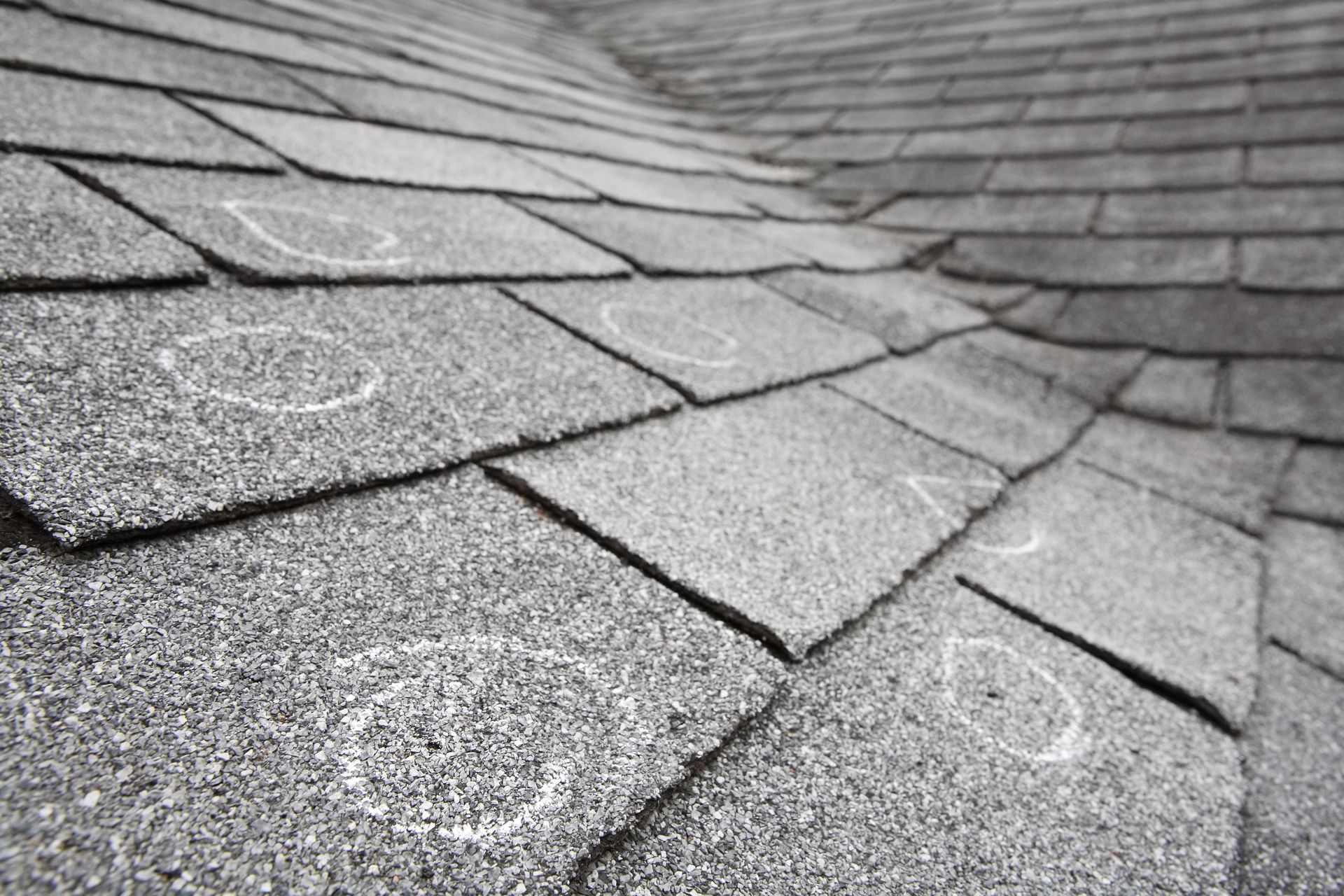
Hail Inspections Across Ballwin And West St. Louis County
C&D serves Ballwin properties near Manchester Road, New Ballwin Road, Holloway Road, Ries Road, Clayton Road, Vlasis Park, and surrounding neighborhoods. Homes in the area range from low ranch roofs to multi-level houses with additions, masonry, mature trees, and long drainage runs that can all affect how storm evidence appears.
A roof shaded by trees near a residential cul-de-sac may show aging very differently from a more open roof closer to the Manchester Road corridor. C&D compares storm clues with the actual roof geometry, material condition, exposure, and exterior layout before recommending work.
Use Related C&D Services To Plan The Right Follow-Up
A hail inspection may end with no immediate repair, a small roof scope, a larger replacement discussion, or connected gutter and siding work. These related C&D resources help owners review the next step without treating every storm inspection as the same project.
Ballwin Roofing Resources
Storm-Connected Exterior Services
Questions Property Owners Ask After A Hailstorm
These answers cover timing, roof access, dents, leaks, insurance documentation, gutters, siding, older roofs, repair decisions, and what happens after a Ballwin hail damage inspection.
How soon should I schedule a roof inspection after hail in Ballwin?
Schedule an inspection when you notice new leaks, loose material, dents, or other storm changes, or when a significant hail event has affected the property. Prompt documentation can make it easier to separate recent conditions from later weathering.
Does every dent on a roof vent prove the shingles are hail damaged?
No. Exposed metal can provide useful context, but one dent does not define the condition of the whole roof. C&D compares metal impact, shingle condition, slope exposure, and other exterior evidence before drawing conclusions.
Can hail damage exist without an immediate ceiling leak?
Yes. Some storm damage affects the roof surface or flashing without producing an interior leak right away. The inspection checks for physical changes and water-entry risk instead of using an active leak as the only test.
Will C&D inspect gutters and downspouts during a hail roof inspection?
Yes. Gutters and downspouts are exposed during the same storm and can show dents, loose sections, or drainage problems that help explain the broader exterior condition.
Can C&D check siding for hail damage too?
Yes. C&D is a full-service exterior contractor, so siding and other accessible exterior surfaces can be reviewed when the storm appears to have reached the walls as well as the roof.
How does an older roof affect a hail damage assessment?
Age and existing wear matter because brittle, repaired, or heavily weathered materials may look different from newer roofing. C&D notes pre-existing conditions separately from evidence that appears related to the recent storm.
Can C&D help with an insurance claim after hail damage?
Yes. C&D provides insurance claim assistance and can document observed storm conditions, affected components, and the repair scope being discussed with the owner.
What if the inspection finds only a small damaged area?
A limited problem may call for targeted repair rather than a full roof project, depending on the location, material condition, and ability to make a sound repair. The recommendation should match the actual findings.
What affects the cost of hail-related roof work?
Cost depends on the extent of damage, roof size and pitch, access, material type, flashing or decking needs, and whether gutters, siding, or other exterior components are included. An inspection is needed before a reliable scope can be defined.
What should I do if hail and wind created an active roof opening?
Keep people away from damaged areas and protect the interior from water where it is safe to do so. C&D offers 24/7 emergency tarping for storm openings and can follow with a more complete inspection once the property is stabilized.
Need The Roof Checked After Hail? Get Clear Findings For Your Ballwin Property
Call C&D General Contractors when hail has left new dents, loose roofing, exterior damage, or questions you cannot answer from the ground. The inspection compares the roof, flashing, gutters, siding, and related surfaces so the next step is based on documented conditions.