
Roof Decking & Sheathing Repair Ballwin, MO
Shingles and underlayment depend on the roof deck below them. When sheathing becomes soft, delaminated, water-damaged, uneven, or unable to hold fasteners, surface repairs alone do not restore a stable roofing assembly. C&D General Contractors identifies the affected deck area and repairs the substrate before rebuilding the layers above it.
On Ballwin homes, decking problems often show up near long-term leaks, valleys, chimneys, pipe penetrations, roof edges, poorly ventilated attic areas, or older additions. Some damage is visible from the attic. Other sections are not confirmed until roofing is lifted or removed. C&D explains that difference before work starts.
When Roof Decking Needs Repair Instead Of Another Surface Patch
Decking should provide a firm, reasonably flat fastening base for the roofing system. Soft areas, rot, delamination, repeated moisture staining, broken panels, large gaps, or sections that no longer hold fasteners can undermine every layer installed above. The damaged substrate needs to be exposed far enough to find sound material.
C&D also looks for the reason the sheathing failed. A leaking pipe boot, poorly formed flashing, blocked drainage, long-standing valley leak, or attic moisture problem can continue damaging new decking if it is left in place. The repair plan connects the substrate work with the water or airflow issue that caused it.
Hidden Roof Damage Explained Before It Is Covered Again
Deck repairs often become visible only after shingles or underlayment are removed. C&D approaches the work as part of the whole exterior system, documenting what is exposed, showing the owner where the substrate has failed, and coordinating the roofing, flashing, drainage, or ventilation details needed above it.
Sheathing Damage Can Start From Leaks, Fasteners, Ventilation, Or Old Framing Changes
The repair method depends on how the deck failed and how much sound material surrounds it. C&D separates isolated panel damage from larger moisture patterns so the work is limited to what the roof actually needs.
Leak-Damaged Sheathing
Decking below a repeated leak may soften, swell, stain, or delaminate. C&D exposes the affected area and corrects the leak detail before closing the roof again.
Poor Fastener Holding Areas
If nails or other required fasteners cannot hold in weakened sheathing, the substrate must be repaired so the finished roof is not attached to a failing base.
Cut Back To Material That Can Support The Roof
A patch should not stop at the first visible soft spot if the surrounding panel is also weakened. C&D traces the affected area to sound sheathing and framing support, then rebuilds the weather layers above so the new repair has a dependable base.
Sagging Or Uneven Deck Sections
Visible dips can come from damaged panels, framing conditions, or past repairs. C&D checks the local structure before assuming a surface layer will flatten the roof.
Edge And Valley Deck Damage
Sheathing near eaves, valleys, chimneys, and wall transitions can deteriorate where runoff repeatedly reaches below the roofing or drainage backs up.
The Roof Surface And Attic Can Both Point To A Weak Substrate
Decking damage is not always visible from outside. A roof may show a dip, spongy area, repeated shingle movement, or leak history, while the attic may show darkened sheathing, staining, rusted fasteners, or panel edges that have deteriorated around a water path.
- Look from the ground for localized sagging or waviness that appears different from the surrounding roof plane, especially near valleys, eaves, or older additions.
- Check accessible attic areas for dark staining, flaking panel surfaces, rusty fasteners, daylight at damaged openings, or insulation that has stayed wet below a leak.
- Pay attention to recurring leaks that return after surface sealing, because the visible roof detail and the weakened deck below may both need repair.
- Do not test suspected soft decking by walking over it; weakened sheathing can fail under weight and should be evaluated from safer access points.
Ballwin Roof Decking Repair Checker
Choose the condition closest to what you have noticed. The result identifies which substrate and leak details C&D should investigate.
The Sheathing Is One Layer In A Larger Roof Assembly
Replacing the damaged panel is only part of the job. The repair must connect to framing support, accept fasteners, receive underlayment, restore flashing or leak barriers where needed, and allow the finished roof surface to lie correctly across the repaired section.
- Expose enough of the damaged area to determine whether deterioration is limited to one section or extends along a valley, penetration, roof edge, or previous leak path.
- Remove sheathing that is soft, broken, delaminated, badly deteriorated, or unable to provide dependable fastening for the roofing system above.
- Confirm that replacement deck edges are properly supported and align with surrounding surfaces so the repaired plane does not create a ridge or low spot.
- Rebuild underlayment, membrane, flashing, and penetration details that were removed to access the substrate or that contributed to the original moisture problem.
- Check attic airflow and drainage conditions when trapped moisture, blocked soffits, gutter backup, or repeated condensation may have contributed to deck deterioration.
Four Areas Where Water Can Reach The Sheathing Repeatedly
Ballwin homes often have chimneys, additions, tree debris, long valleys, and busy roof edges. When one of those details leaks slowly, the deck can weaken before the problem becomes obvious inside the home.
Valleys And Roof Intersections
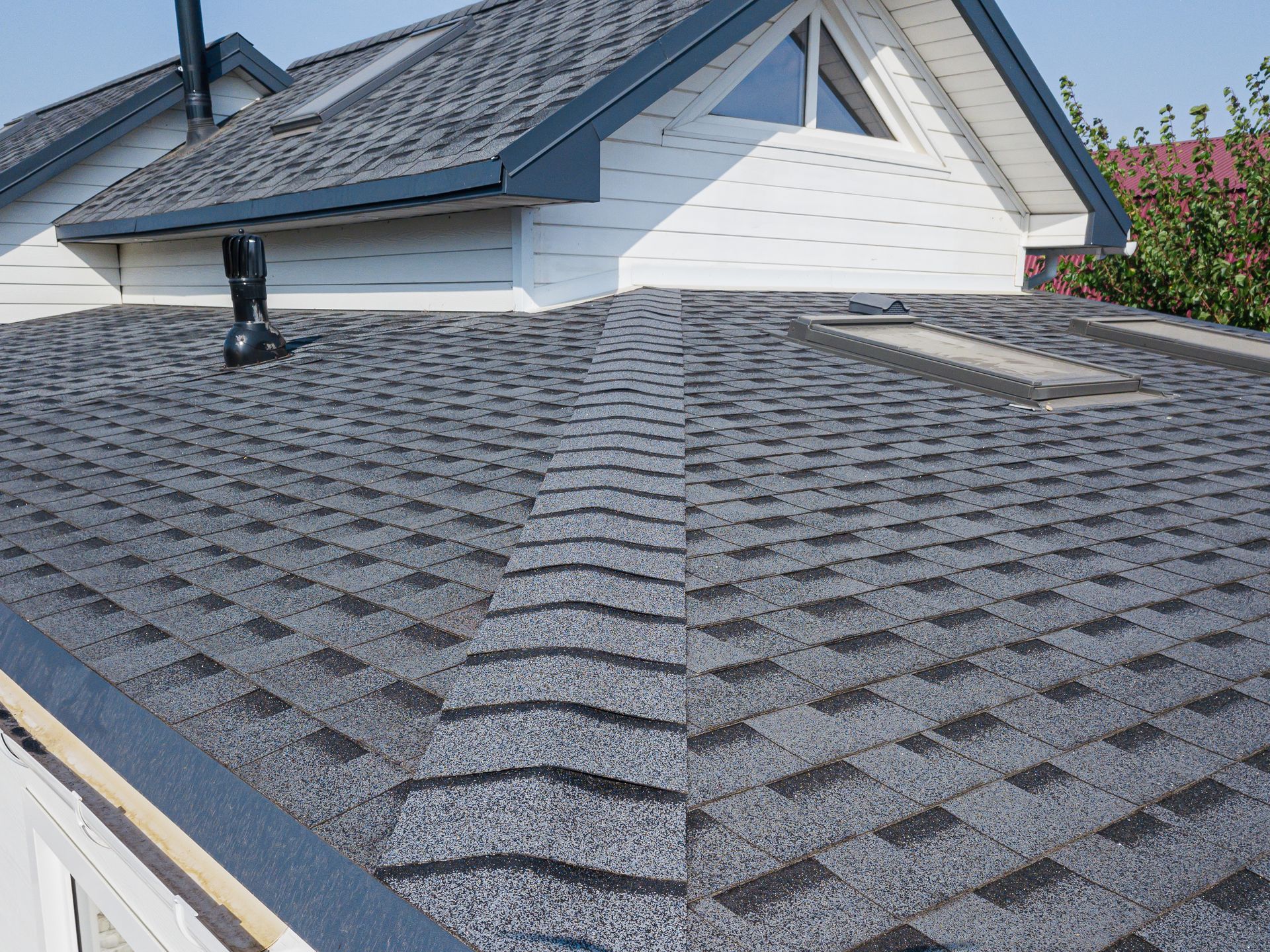
Concentrated runoff can reach the deck when valley materials, underlayment, or nearby shingles fail or hold debris against the water path.
Chimney And Sidewall Lines
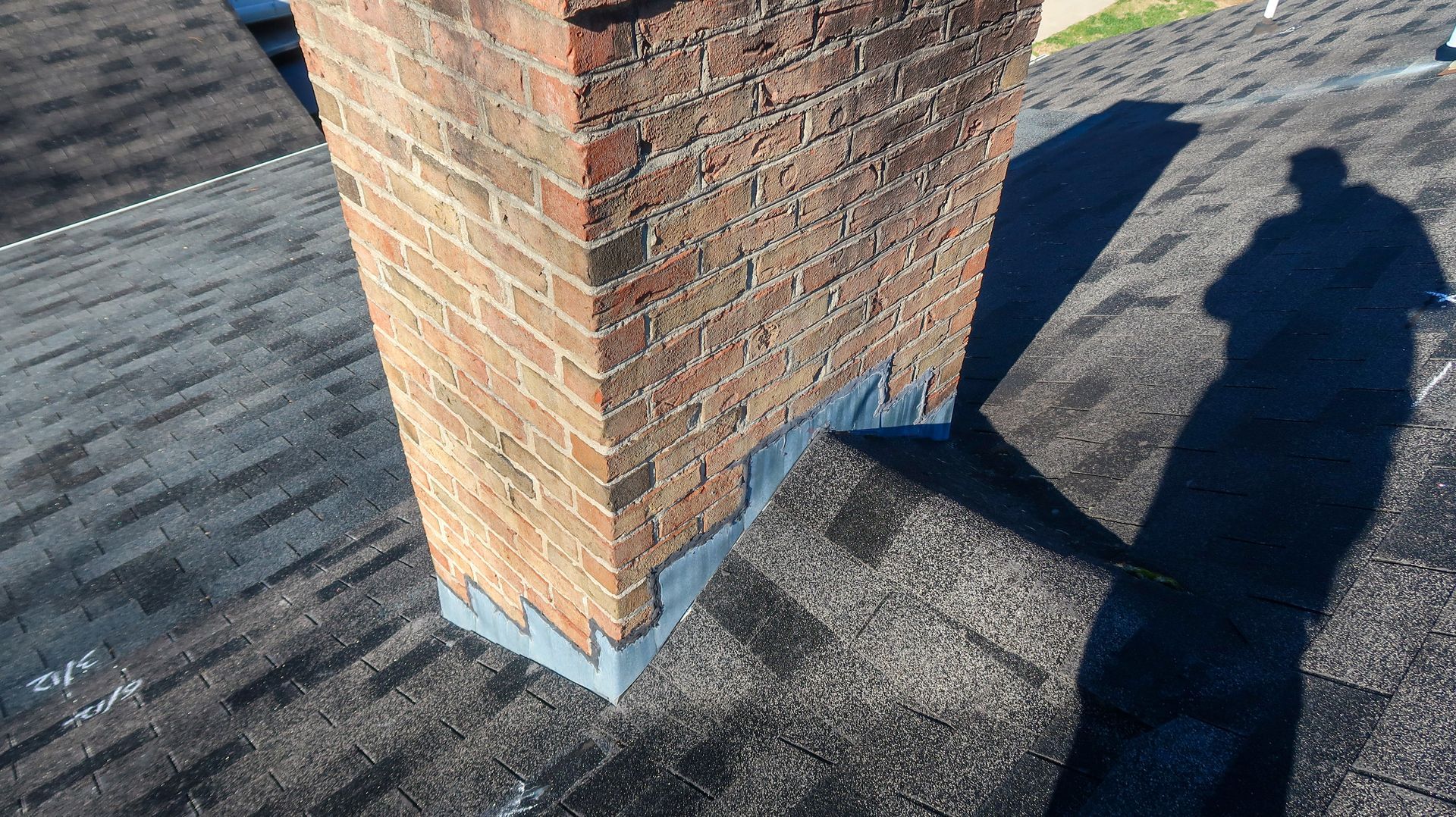
Repeated leakage at step flashing or counterflashing can darken and soften sheathing along the vertical transition.

Pipe Boots And Vent Openings
A small penetration leak can stay localized for a long time, damaging the deck around the opening and the fastener area nearby.
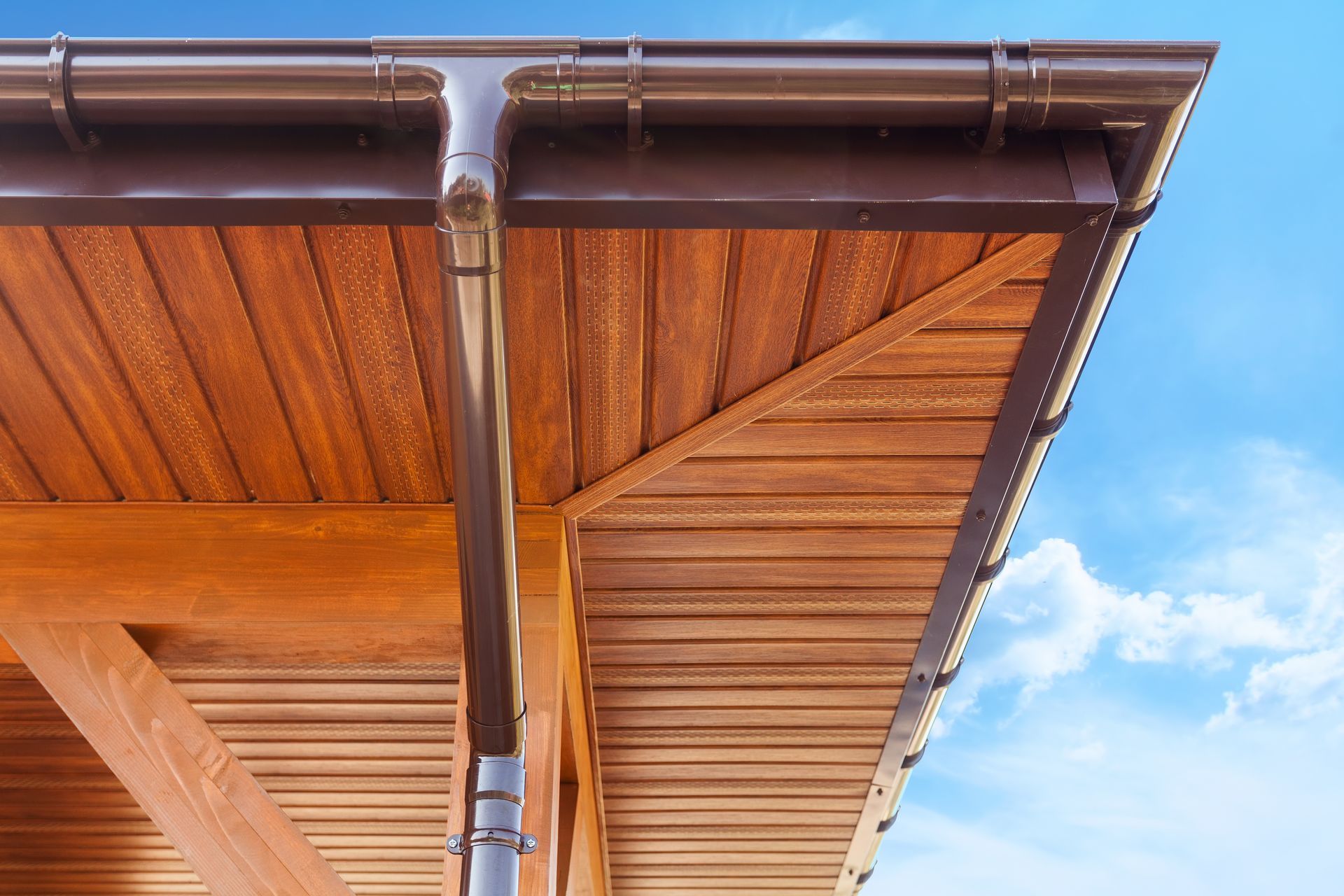
Eaves, Fascia And Gutters
Overflow, poor drip-edge alignment, or damaged fascia can keep the lower deck edge wet and lead to deterioration near the perimeter.
Five Steps From Hidden Damage To A Rebuilt Roof Base
Decking repair is easiest to understand when the work is separated into finding the source, exposing the substrate, removing unsound material, rebuilding the roof layers, and checking the finished area. C&D explains hidden findings as they become visible instead of treating them as a surprise at closeout.
Locate The Damage And Source
C&D reviews leak history, roof transitions, attic clues, soft areas, storm openings, and drainage conditions to narrow the affected substrate area.
Expose The Sheathing
Roofing and underlayment are removed only as needed to see the deck condition and determine where sound material begins around the damage.
Replace Unsound Deck Sections
Damaged sheathing is removed to supported boundaries and rebuilt so panel edges, fastener locations, and roof plane alignment are restored.
Rebuild Water-Shedding Layers
Underlayment, membrane, flashing, penetration details, and finished roofing are reinstalled over the repaired deck in the proper sequence.
Check The Roof And Interior Clues
C&D reviews the repaired exterior area, visible attic condition, cleanup, and any remaining ventilation or drainage recommendation tied to the original damage.
Opening The Roof Requires Care Above Rooms, Landscaping, And Driveways
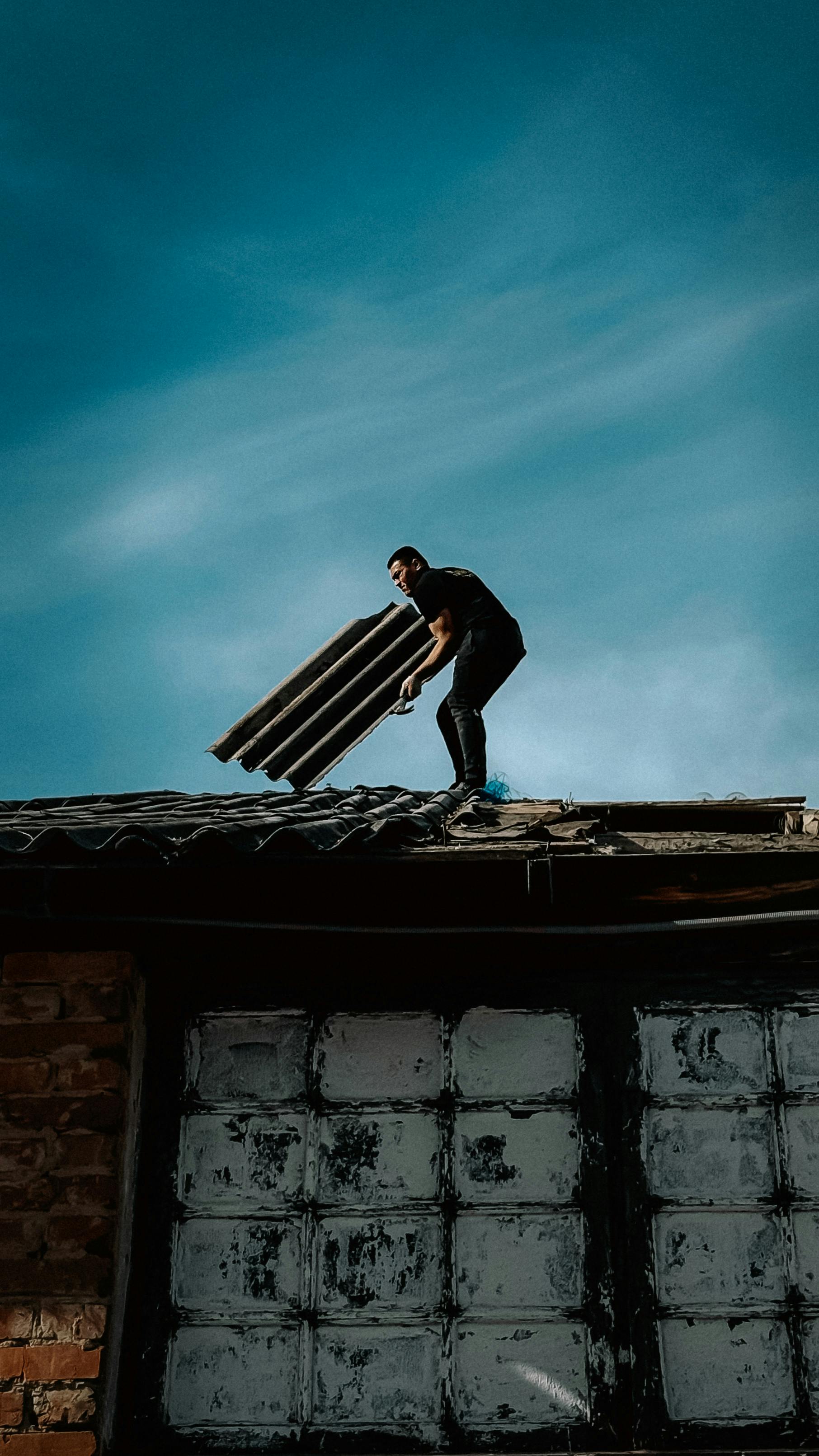
Decking repair usually means removing roofing and underlayment until the damaged substrate is visible. That creates an active work area with nails, cut panels, loose shingles, and a temporary opening over the home. C&D plans staging and cleanup around the actual lot before the roof is opened.
- Stage replacement panels and roofing materials where they can be moved safely without blocking household access more than necessary.
- Protect windows, siding, decks, landscaping, and exterior equipment below the work area before damaged roofing and sheathing are removed.
- Keep the exposed roof opening controlled so interior spaces are not left unnecessarily vulnerable while the damaged deck is being replaced.
- Collect panel offcuts, nails, old underlayment, and roofing debris during the work, followed by ground cleanup and magnetic sweeps where appropriate.
- Review the repaired deck area, rebuilt roof surface, leak source, and any related ventilation or drainage recommendations with the owner at closeout.
Decking Repairs Across Ballwin And West St. Louis County
C&D repairs roof decking on Ballwin properties near Manchester Road, New Ballwin Road, Holloway Road, Ries Road, Clayton Road, Vlasis Park, and nearby residential streets. Older repairs, additions, mature trees, long valleys, and varied attic layouts can all influence where hidden moisture reaches the sheathing.
A shaded roof with heavy leaf buildup may hold moisture differently from an open two-story roof, while a chimney or addition tie-in can concentrate leaks into a very small deck area. C&D bases the repair on the actual damaged substrate and the roof detail responsible for it.
Connect Decking Repair With The Roofing Work Above It
Weak sheathing may be found during a small leak repair, a roof replacement, storm restoration, or work around a penetration. These related C&D resources help owners understand how substrate repair fits into the larger roof and exterior system.
Ballwin Roofing Resources
Connected Exterior Services
Questions Homeowners Ask When The Roof Deck Is Soft Or Damaged
These answers cover soft sheathing, attic clues, hidden damage, leak sources, panel replacement, fastener holding, ventilation, storm damage, cost factors, and when decking work is found during a larger roofing project.
How can I tell if roof decking is damaged without removing shingles?
Some clues are visible from the attic or ground, including darkened sheathing, sagging areas, repeated leaks, or unusual roof waviness. The full extent often cannot be confirmed until the roofing above the suspect area is opened.
Does every ceiling leak mean the sheathing needs replacement?
No. A leak may be caught before the deck is seriously damaged. C&D checks the substrate condition and replaces only areas that are unsound, deteriorated, or unable to support the roofing properly.
What does soft or delaminated roof decking mean?
Softness or delamination indicates that the panel has lost strength or separated enough that it may not provide a dependable fastening base. The affected section should be evaluated before new roofing is installed over it.
Can C&D repair only one damaged area of roof sheathing?
Yes, when the damage is localized and the surrounding deck and framing provide a sound boundary for the repair. C&D exposes enough area to confirm where solid material begins.
What happens if damaged decking is found during roof replacement?
The affected sheathing is documented once exposed, and unsound sections are corrected before new roof layers cover the area. Hidden conditions are discussed because they cannot all be confirmed from the exterior beforehand.
Can a leaking pipe boot or flashing damage the roof deck?
Yes. Repeated water entry around a penetration or transition can deteriorate the sheathing below. The repair should address both the damaged deck and the detail that allowed moisture to reach it.
Does attic ventilation affect roof sheathing condition?
Poor airflow can contribute to heat and moisture problems in the attic. C&D reviews intake and exhaust when darkened sheathing, damp insulation, or other moisture clues suggest the issue is not limited to an exterior leak.
Can storm damage lead to decking repair?
Yes. Wind, hail-related openings, or debris impact can expose the roof to water and damage the substrate. C&D can document storm-related conditions and provides insurance claim assistance when applicable.
What affects the cost of roof decking repair?
The size and location of the damaged area, roof pitch and access, amount of roofing that must be removed, framing support, flashing work, and the cause of the moisture all affect the scope.
Should weak decking be covered if it is not leaking right now?
If the sheathing cannot hold fasteners, is structurally unsound, or has serious deterioration, covering it does not restore the base the roofing needs. C&D evaluates the actual condition before recommending repair.
Soft, Sagging, Or Water-Damaged Roof Deck? Schedule A Ballwin Sheathing Evaluation
Call C&D General Contractors when a roof shows repeated leaks, soft decking, attic staining, sagging, or weak substrate discovered during repair or tear-off. C&D identifies the damaged sheathing, the source above it, and the roof layers that must be rebuilt after the substrate is restored.