
Storm-Damaged Gutters & Downspouts Ballwin, MO
Gutters can take direct hail impact, pull away under wind or debris, twist at corners, loosen at hangers, and separate where downspouts connect. C&D General Contractors inspects the damaged run together with the fascia, roof edge, outlets, and discharge path so the repair restores drainage instead of only straightening the most visible dent.
Ballwin properties with mature trees and long roof edges can also collect leaves and storm debris at the same time the gutter system is damaged. A section that still looks attached may have lost pitch, opened a seam, or shifted away from the drip edge. C&D checks how water enters, moves through, and leaves the system before defining the work.
What Storm-Damaged Gutter And Downspout Repair Should Restore
A working gutter needs more than an intact front face. It must stay securely attached, maintain a usable slope toward the outlet, receive runoff from the roof edge, move water through open downspouts, and discharge it away from the structure. Storm damage can interrupt any one of those steps even when the gutter is still hanging in place.
C&D separates cosmetic impact from functional problems such as loose hangers, split seams, crushed outlets, shifted runs, damaged fascia, blocked downspouts, and poor alignment below the drip edge. The repair plan focuses on getting water back through the intended path without pushing runoff behind the gutter or down the wall.
Gutter Repair Coordinated With Roofing, Fascia, Siding, And Downspouts
Gutters sit at the edge of several exterior systems. Roof runoff enters above them, fascia supports them, siding is below them, and downspouts carry water toward the ground. C&D works across roofing and exterior construction, which helps when a storm damages more than the metal trough.
Impact, Wind, Debris, And Loose Attachments Can Disrupt The Drainage System
Two gutters can look equally dented but perform very differently. C&D looks for movement that changes pitch, attachment, outlet flow, roof-edge alignment, or where downspouts release water near the property.
Loose Or Pulled-Away Gutter Runs
Wind, impact, or debris can loosen hangers and pull a run away from the fascia, opening a gap where roof water drops behind the gutter.
Hail-Dented Gutters And Downspouts
Dents are checked for functional effects at seams, corners, outlets, and downspout sections rather than treating every surface mark as the same repair.
Restore The Route Water Takes Off The Property
The goal is not simply to make the gutter look straight again. C&D checks how runoff leaves the roof, enters the gutter, reaches the outlet, travels down the vertical pipe, and discharges at ground level so each repaired section supports the full drainage path.
Crushed Or Blocked Outlets
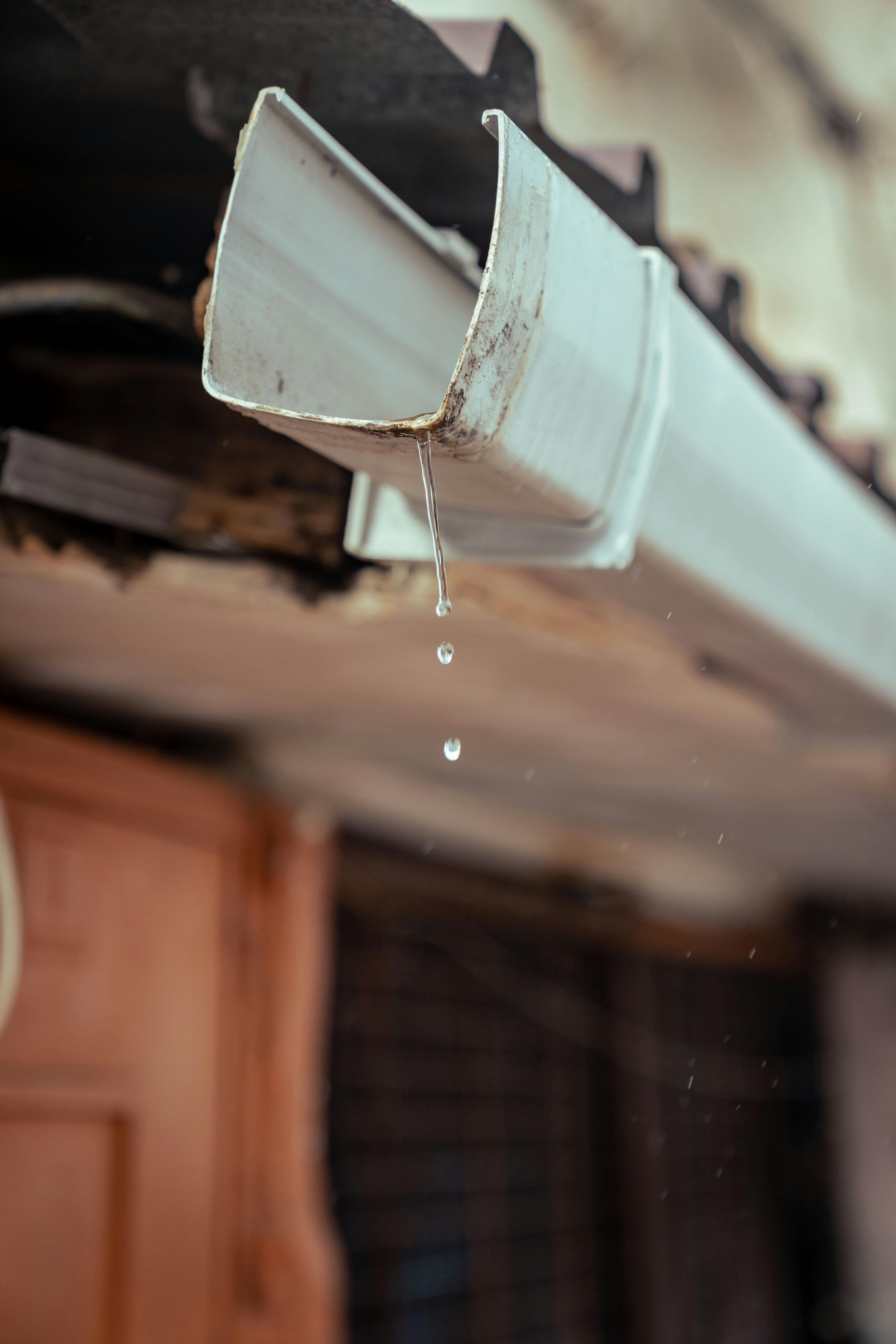
Storm debris and impact can restrict the opening where water leaves the gutter, causing overflow even when the rest of the run appears intact.
Damaged Fascia And Roof Edge
If the gutter pulled on the fascia or shifted below the drip edge, the supporting wood, metal edge, and eave connection are checked before the run is reset.
Overflow And Wall Staining Can Reveal Damage That Is Easy To Miss
A shifted gutter may still be attached but overflow in one corner. A dented downspout may be pinched inside. A loose hanger can let the run sag after the next heavy rain. C&D uses both visible damage and water behavior to find where the drainage system stopped working correctly.
- Look for gutter sections that sag, tilt, separate from the fascia, or sit farther away from the roof edge than neighboring runs after the storm.
- Check seams, corners, end caps, and outlets for fresh gaps or movement where water could leak before it reaches the downspout.
- Watch downspouts during rain for weak flow, backing water, split joints, crushed sections, or discharge that now lands too close to the building.
- Inspect the fascia and siding below damaged areas for streaking, dampness, or staining that suggests runoff is moving behind or over the gutter.
Ballwin Storm Gutter Repair Checker
Choose the drainage problem that best matches what you noticed. The result identifies which gutter connection C&D should inspect first.
A Functional Repair Connects Roof Edge, Gutter Run, Outlet, And Discharge
Gutters are only one part of the drainage route. Hangers keep the run attached, pitch moves water toward the outlet, downspouts carry it vertically, and the discharge point moves it away from the structure. Storm repair should restore that sequence while protecting the fascia and roof edge.
- Check hangers, fasteners, and fascia condition where the gutter has sagged, pulled away, or changed position under wind or storm debris.
- Confirm that repaired runs maintain a continuous path toward working outlets instead of creating low spots that hold water between hangers.
- Open or repair outlets and downspout connections where dents, debris, or shifted joints restrict flow and cause overflow at the roof edge.
- Recheck drip-edge and roof-to-gutter alignment so runoff enters the gutter rather than traveling behind it and wetting fascia or siding.
- Review downspout discharge at ground level so restored flow is not directed toward the wall, walkway, or another area that cannot handle the water.
Four Connections Can Decide Whether The Repaired System Still Overflows
Ballwin homes with mature trees, long eaves, valleys, and multiple roof levels can send large amounts of water and debris into a few gutter locations. C&D checks the connections where storm movement or blockage is most likely to interrupt that flow.
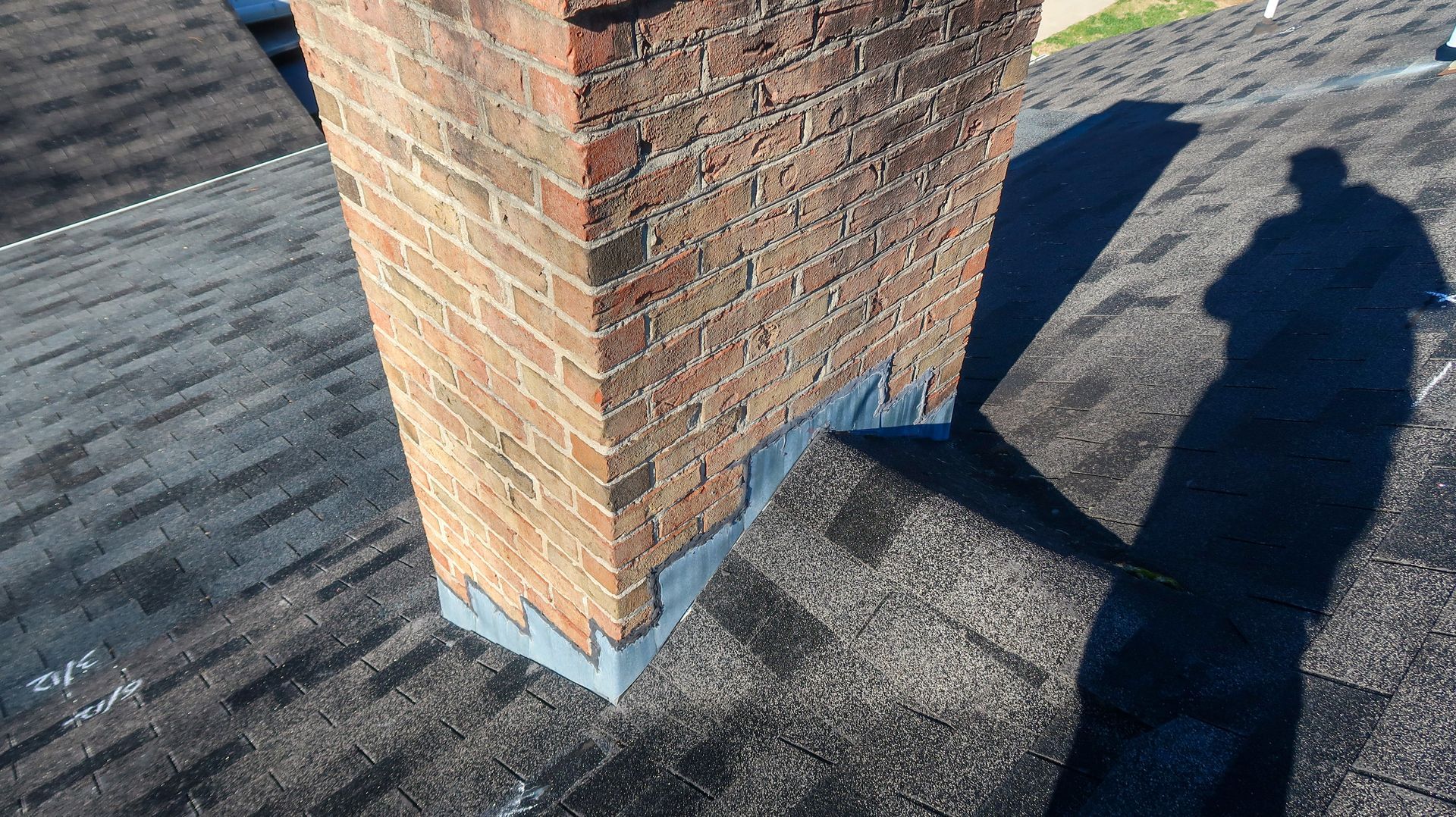
Hangers And Fascia
Loose attachment can create a sag even when the gutter face looks straight, so the supporting edge is checked before the run is reset.
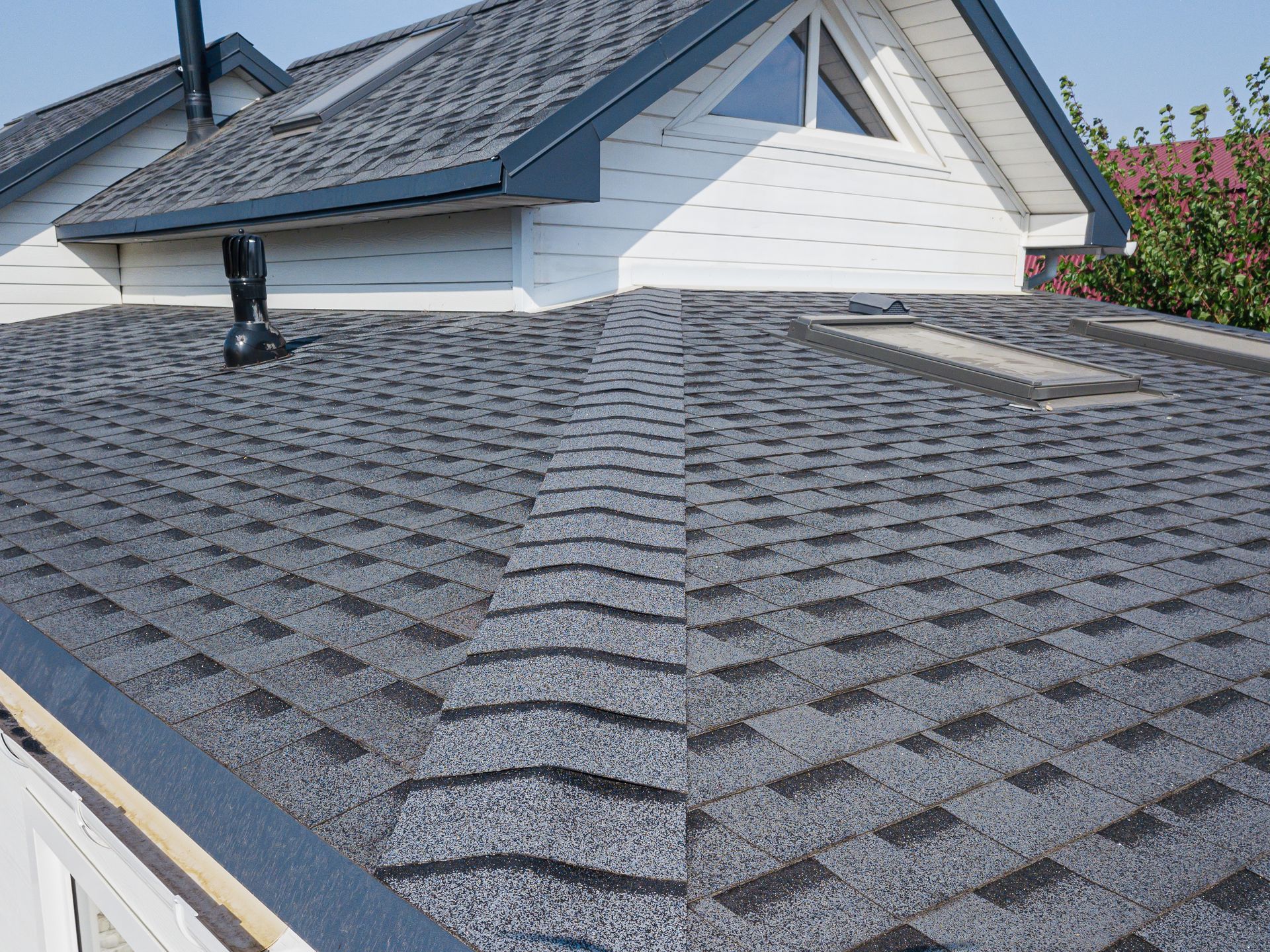
Corners, Seams And End Caps
Impact or twisting can open joints that leak before water reaches the outlet, especially where long runs change direction.

Outlets And Downspout Elbows
Small openings and bends collect debris and can be crushed by impact, reducing flow and causing water to back up into the gutter.
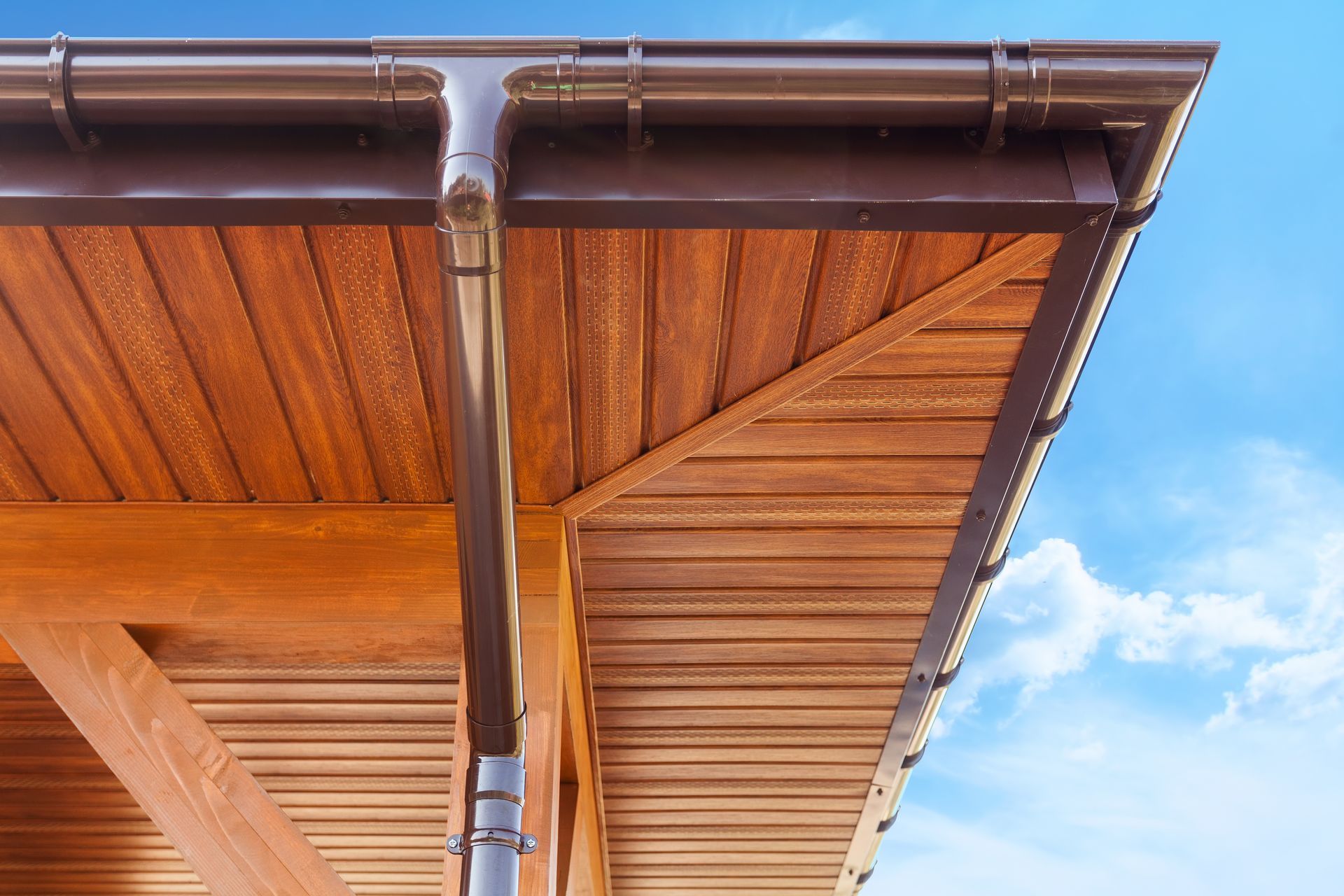
Drip Edge And Roof Alignment
A shifted gutter may no longer sit where roof runoff leaves the edge, allowing water to pass behind the trough and onto fascia or siding.
Five Steps From Storm Inspection To Restored Drainage
Gutter repair works best when the system is tested as a path rather than a collection of separate metal pieces. C&D checks the visible storm damage, attachment, pitch, outlet flow, roof-edge alignment, and discharge before the repair is considered complete.
Inspect The Full Drainage Run
C&D records dents, loose sections, sagging, open seams, outlet damage, downspout movement, fascia condition, and related roof or siding damage.
Identify Functional Damage
The crew separates surface marks from conditions that affect attachment, pitch, sealing, flow, or the ability to receive runoff from the roof edge.
Repair Supports And Connections
Hangers, damaged sections, seams, corners, outlets, downspouts, and fascia-related details are addressed according to the actual storm damage.
Restore Roof-To-Gutter Alignment
The repaired run is positioned so roof runoff can enter correctly while drip edge, fascia, and nearby roofing remain properly connected.
Check Flow And Discharge
C&D reviews the drainage path through outlets and downspouts, confirms the final discharge direction, and completes cleanup around the work area.
Roof-Edge Work Takes Place Above Landscaping, Windows, And Walkways
Damaged gutters can hold standing water, debris, sharp metal, loose fasteners, or unstable sections above occupied areas. Repair often requires ladders along the eaves and work near windows, siding, shrubs, decks, and driveways. C&D manages those access points before removing or resetting storm-damaged components.
- Keep people, pets, and vehicles clear of areas below loose gutter sections, hanging downspouts, storm debris, or roof-edge materials that may shift during repair.
- Place ladders where they can reach hangers and outlets safely without damaging landscaping or relying on unstable gutter sections for support.
- Control removed metal, screws, sealant pieces, leaves, and storm debris as work progresses so sharp material does not spread around the yard.
- Protect siding, windows, decks, and planting beds below long gutter runs when damaged sections are being lowered or replaced.
- Review the repaired gutter path, downspout discharge, fascia condition, cleanup, and any connected roof or siding concern with the owner at closeout.
Gutter And Downspout Storm Repairs Across Ballwin And West County
C&D repairs storm-damaged gutters and downspouts near Manchester Road, New Ballwin Road, Holloway Road, Ries Road, Clayton Road, Vlasis Park, and surrounding Ballwin neighborhoods. Mature trees, long roof runs, valleys, and multi-level eaves can concentrate storm debris and runoff into specific parts of the drainage system.
A shaded lot with heavy leaf drop may have blockage and impact at the same time, while an open two-story home may show wind movement at high gutter runs and downspouts. C&D adjusts the repair to the roof edge, fascia, gutter layout, outlet locations, and discharge path found at the property.
Connect Gutter Repair With Roofing, Siding, And Exterior Work
Storm-damaged gutters may be only one part of the exterior scope. If wind or hail also affected roofing, fascia, siding, or wall transitions, these C&D resources help Ballwin owners compare the connected repair options.
Ballwin Roofing Resources
Connected Exterior Services
Questions Property Owners Ask After Wind Or Hail Hits The Drainage System
These answers cover dents, loose runs, overflow, downspouts, fascia, roof-edge alignment, storm claims, connected siding damage, cost factors, and how C&D decides whether a damaged gutter section can be repaired.
Do hail dents always mean gutters need replacement?
Not necessarily. C&D checks whether the dents are cosmetic or whether they affect seams, outlets, pitch, attachment, or flow. The repair scope should match the functional condition of the system.
Can wind pull gutters away from the fascia?
Yes. Strong wind, debris, or movement at the roof edge can loosen hangers and fasteners. C&D checks both the gutter attachment and the fascia condition before resetting the run.
Why is one gutter section overflowing after a storm?
A shifted run, sag, blocked outlet, crushed downspout, debris buildup, or changed roof-edge alignment can all cause local overflow. C&D follows the water path to identify where flow is being interrupted.
Can damaged gutters cause water behind the fascia or siding?
Yes. If the gutter has pulled away or no longer lines up with the drip edge, runoff can move behind the trough and wet fascia or the wall below. The connection should be repaired as one detail.
Will C&D inspect downspouts as part of gutter storm repair?
Yes. Outlets, elbows, vertical sections, joints, and ground-level discharge are part of the drainage path and should be checked when the gutter system was damaged.
Can C&D repair roofing if the storm also damaged the roof edge?
Yes. C&D is a full-service exterior contractor and can coordinate roof, fascia, gutter, siding, and related repairs when the same storm affected several components.
Can C&D help with an insurance claim for gutter damage?
Yes. C&D provides insurance claim assistance and can document observed gutter, roofing, siding, and other exterior storm conditions for the owner.
Should gutters be cleaned before storm damage is repaired?
Debris may need to be removed so pitch, outlets, and drainage can be evaluated, but loose or unstable sections should be handled carefully. C&D can account for storm debris as part of the inspection and repair.
What affects the cost of storm-damaged gutter repair?
The length and height of damaged runs, number of corners and outlets, fascia condition, downspout work, access, roof-edge repairs, and related siding or roofing damage can all affect the scope.
How does C&D decide whether to repair or replace a gutter section?
C&D considers attachment, pitch, seams, outlet condition, metal deformation, surrounding fascia, and whether the existing run can be restored to reliable drainage. The decision is based on the actual damaged section.
Loose, Dented, Or Overflowing Gutters? Schedule A Ballwin Drainage Inspection
Call C&D General Contractors when hail, wind, or storm debris has damaged gutters, downspouts, fascia connections, or roof-edge drainage. C&D checks the full water path and explains the repair needed to move runoff from the roof to a safe discharge point again.