
Storm-Damaged Siding Repair Ballwin, MO
Storm-damaged siding can be obvious when pieces are missing, but smaller cracks, loosened courses, open trim joints, and impact damage can also let weather reach the wall assembly. C&D General Contractors inspects the damaged elevation, nearby corners and openings, roof-to-wall transitions, and connected gutters before defining the repair.
Ballwin homes often combine siding with brick or masonry, multiple rooflines, mature trees, and windows that break up large wall areas. Wind can pull at exposed edges while hail can mark wall-facing surfaces differently from one side of the house to another. C&D follows the damage pattern instead of assuming every elevation needs the same work.

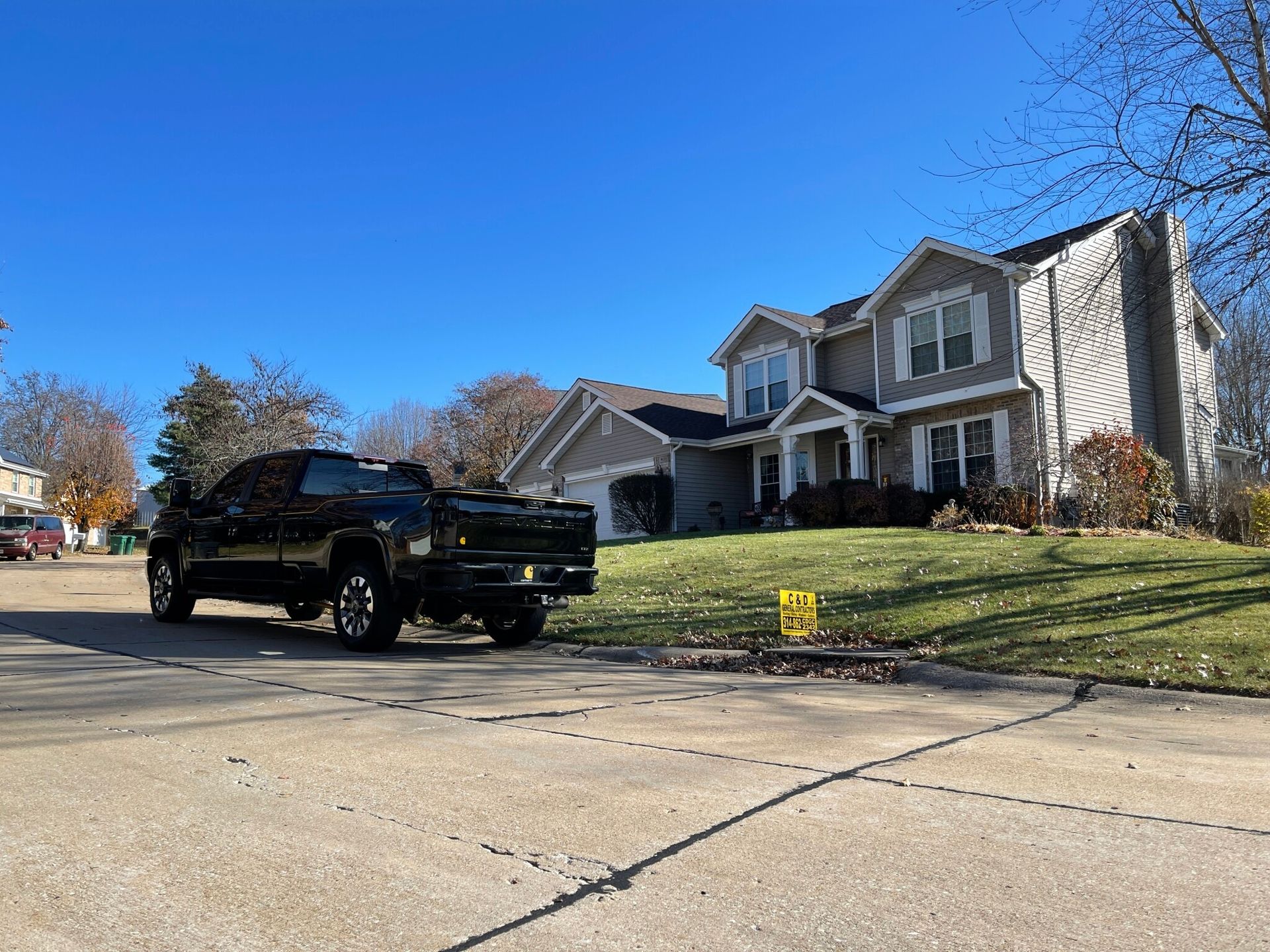
What Storm-Damaged Siding Repair Should Restore
Siding is the visible cladding, but the repair also needs to restore the wall details that keep wind-driven rain outside. Missing or broken sections can expose underlayers, while loosened pieces can shift around windows, corners, soffits, roof lines, and utility penetrations. The repair should reconnect those transitions instead of treating the wall as a flat surface.
C&D identifies the damaged courses or panels, checks whether nearby pieces can remain securely in place, and looks for exposed or disturbed wall protection behind them. If the storm also damaged gutters, roof edges, windows, or masonry, those connections are considered so water is not redirected into the repaired siding area.
Exterior Repair That Accounts For The Roof, Gutters, Windows, And Walls Together
Siding damage often sits beside another exterior problem. A loose gutter can soak the wall below. Wind can disturb roof edge metal and upper siding together. Hail can affect window trim and cladding on the same elevation. C&D handles multiple exterior trades, making it easier to coordinate the complete storm scope.
Wind, Hail, And Debris Can Damage Different Parts Of The Wall System
The repair scope depends on what moved, cracked, or was exposed. C&D separates surface impact from attachment problems and checks the trim and wall transitions that keep water from reaching behind the cladding.
Loose Or Missing Siding Sections
Wind-damaged courses or panels are checked for broken attachment points, shifted overlaps, exposed wall areas, and whether surrounding pieces can be securely retained.
Hail Impact And Cracked Cladding
Impact marks, cracks, chips, dents, or punctures are compared across the affected elevation and around trim where hail may have reached the wall at an angle.
Close The Wall From The Weather Barrier Outward
Replacing the visible damaged piece is only useful if the wall behind it is still protected. C&D checks the exposed underlayer, attachment surface, nearby trim, and water-shedding transitions before the repaired siding is secured back into the wall system.
Corner, Window And Door Trim
Trim pieces and transitions around openings can loosen or split during storms, creating narrow gaps where wind-driven rain can reach behind the siding.
Roof-To-Wall And Gutter Areas
Upper-wall siding, fascia, soffit, flashing, and gutters are reviewed when storm damage or runoff problems are concentrated near the eaves or roof intersection.
Look For Movement, Open Joints, And Impact Changes After The Storm
Some siding damage is easy to see from the yard, while other problems show up as a rattling section, a widened joint, a cracked corner, or water appearing near a window after wind-driven rain. Comparing one elevation with another can help show where the storm hit hardest.
- Walk the property from the ground and look for missing pieces, lifted lower edges, warped courses, cracks, dents, holes, or siding that no longer lines up with neighboring sections.
- Check corners, window and door trim, utility penetrations, soffits, and roof-to-wall transitions for gaps that appeared after wind or hail.
- Look below gutters and roof edges for streaking, wet wall areas, or displaced components that may be sending runoff behind the damaged siding.
- Keep clear of hanging siding, loose fascia, broken glass, damaged gutters, or other unstable exterior materials until the area has been inspected.
Ballwin Storm Siding Repair Checker
Choose the exterior condition that best matches what you noticed. The result shows which part of the wall system C&D should inspect first.
A Wall Repair Has To Restore Cladding, Weather Protection, And Transitions
Siding sheds most rain, but it works with trim, flashing, wall protection, sheathing, and drainage paths behind the visible surface. Storm repair should restore those layers where the wall was opened or disturbed instead of covering an exposed area with a new panel alone.
- Remove only the damaged siding and trim needed to reach a sound attachment point and inspect the condition immediately behind the storm-opened section.
- Check the visible weather-resistive layer or other wall protection for tears, open seams, or exposure where missing siding allowed wind-driven rain behind the cladding.
- Inspect wall sheathing at leak or impact areas when signs of moisture, puncture, or deterioration suggest the storm affected more than the exterior finish.
- Rebuild corner, window, door, roof-line, and utility transitions so replacement siding can shed water without leaving open joints at the edges.
- Coordinate gutters, downspouts, fascia, and roof flashing when drainage or roof-edge damage is sending water toward the repaired wall.
Four Wall Areas Where Damage Can Open A Path For Water
Ballwin homes often combine siding with windows, doors, masonry, soffits, and changing rooflines. Storm repair needs to account for those edges because water usually gets behind cladding at a transition rather than through the middle of an intact wall surface.
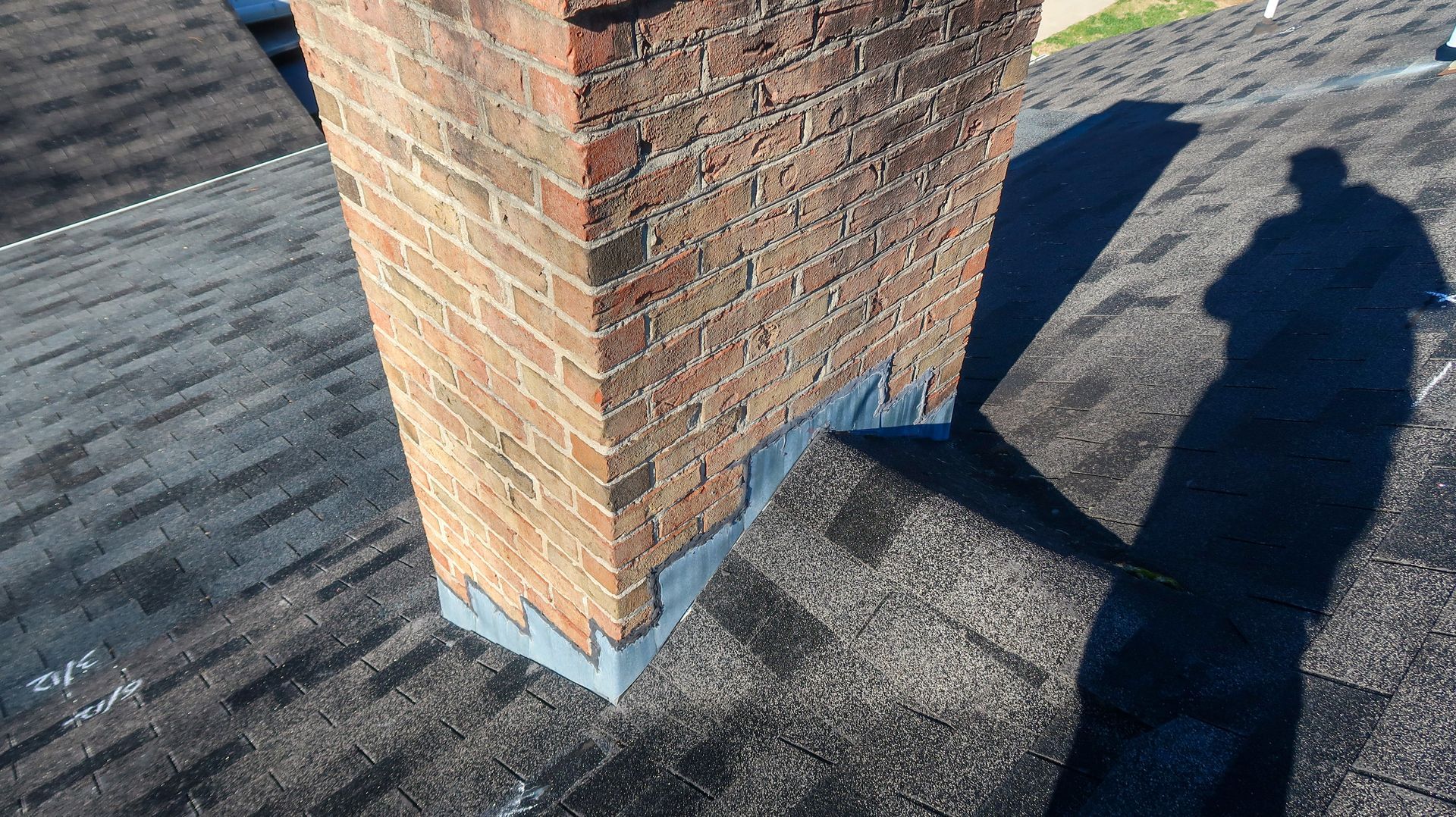
Window And Door Perimeters
Loose trim, cracked siding, or open joints around openings can let wind-driven rain reach the wall protection behind the visible cladding.
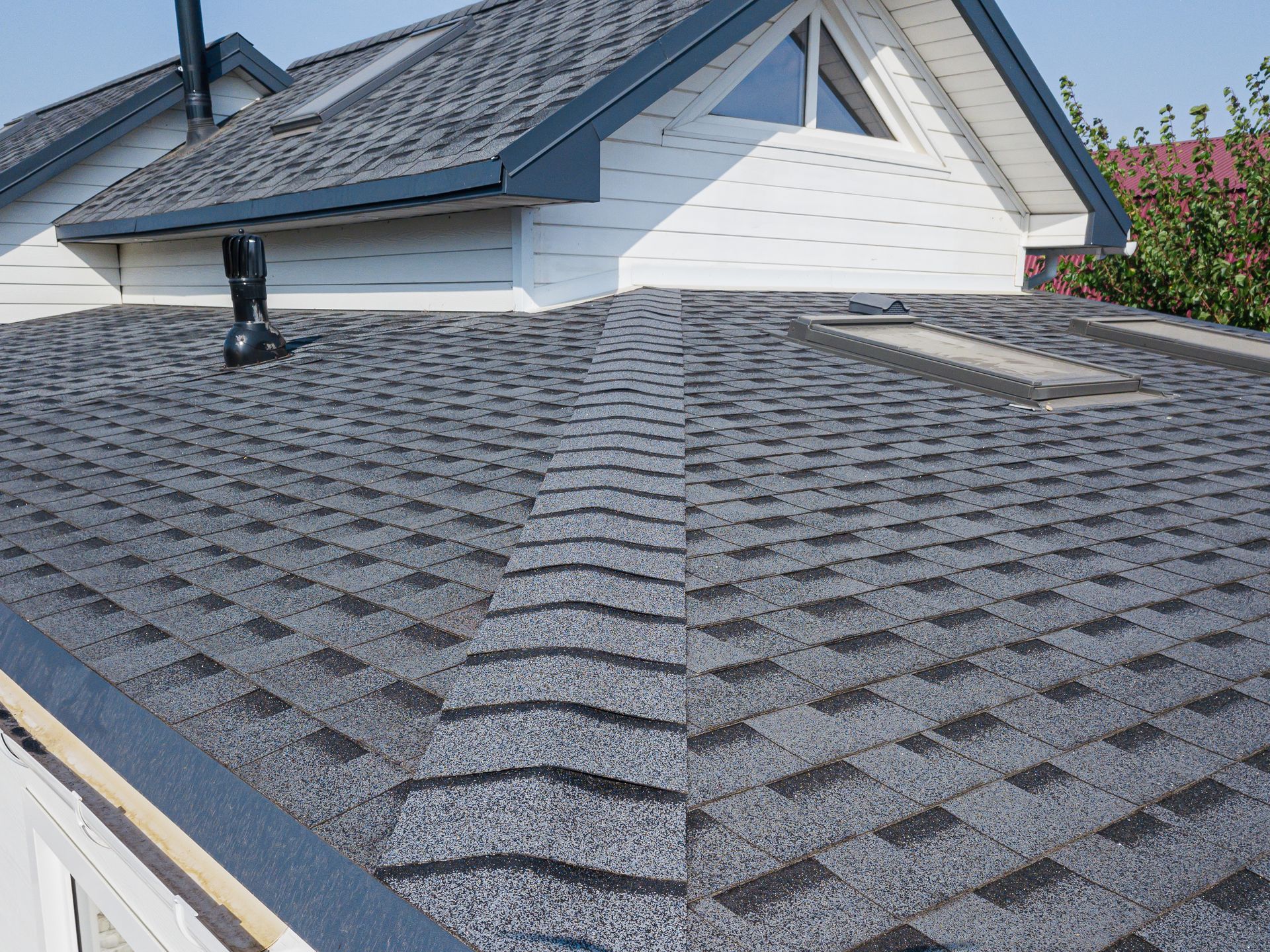
Corners And Vertical Edges
Outside and inside corners take direct wind pressure and need secure trim or edge details so repaired siding stays locked into place.

Roof-To-Wall Intersections
Siding near lower roof planes depends on flashing and correct clearance so runoff leaves the roof without soaking the wall assembly.

Soffit, Fascia And Gutter Lines
Storm-damaged roof-edge components can send water down the wall or loosen upper siding even when the main roof surface remains intact.
Five Steps From Exterior Damage Review To A Closed Wall
A siding repair stays focused when the storm pattern, damaged pieces, wall protection, and connected exterior details are documented before replacement starts. C&D checks the affected elevation, opens only what is needed, repairs underlying issues, reinstalls the cladding, and reviews the finished transitions.
Inspect The Damaged Elevation
C&D records loose, cracked, dented, missing, or shifted siding along with trim, windows, gutters, roof edges, and other storm evidence nearby.
Define The Repair Boundary
The crew identifies which siding pieces and trim can remain and where damaged material must be removed to reach secure attachment points.
Check The Wall Behind
Exposed weather protection, sheathing, flashing, and opening details are reviewed for storm entry or moisture before the exterior surface is closed.
Repair Siding And Transitions
Replacement or reset siding is integrated with corners, openings, roof lines, utility penetrations, and other wall details in the affected area.
Review Runoff And Cleanup
C&D checks the finished wall, related roof or gutter conditions, debris cleanup, and any remaining exterior recommendation with the property owner.
Wall Work Happens Beside Windows, Landscaping, Walkways, And Roof Edges
Storm siding repair may require ladders, removal of sharp or broken cladding, trim work around openings, and access near shrubs, patios, decks, or neighboring walls. C&D organizes the work area so damaged exterior materials can be removed and replaced without unnecessary impact to the rest of the property.
- Create stable ladder and staging areas that provide access to the damaged elevation without crushing landscaping or blocking key walkways more than necessary.
- Protect windows, doors, decks, patios, exterior fixtures, and nearby surfaces when broken siding or trim is being removed from above.
- Keep nails, cut siding, metal trim, and storm debris contained during the repair so small pieces do not spread through the yard or driveway.
- Coordinate roof-edge or gutter work before closing upper siding when those components are contributing to the wall damage or runoff problem.
- Review repaired wall sections, trim, openings, cleanup, and any connected roofing or drainage concern with the owner at project closeout.

Siding Storm Repairs Across Ballwin And West St. Louis County
C&D repairs storm-damaged siding near Manchester Road, New Ballwin Road, Holloway Road, Ries Road, Clayton Road, Vlasis Park, and surrounding Ballwin neighborhoods. The area includes homes with mixed siding and masonry, multiple rooflines, mature trees, and varied wall exposures that can change how wind and hail reach each elevation.
A wall protected by neighboring homes or trees may show little storm evidence while an open-facing elevation takes direct hail and wind. C&D compares the damaged side of the property with adjacent walls, roof edges, gutters, windows, and trim before defining the repair.
Coordinate Siding Repair With Roofing, Gutters, And Other Exterior Work
A storm can damage more than the wall cladding. When the same event affects roof edges, gutters, windows, or masonry transitions, these related C&D resources help owners review the connected repair options before scheduling work.
Ballwin Storm And Roofing Resources
Connected Exterior Services
Questions Homeowners Ask After Wind Or Hail Damages Siding
These answers cover loose panels, hail marks, matching repair areas, wall moisture, windows, roof and gutter connections, insurance assistance, temporary concerns, cost factors, and when a larger siding scope may be needed.
Can loose siding be repaired after a windstorm?
Often yes, if the material and attachment points are still suitable for a sound repair. C&D checks whether the piece can be securely reset or whether damaged sections and surrounding trim need replacement.
What does hail damage on siding look like?
Depending on the existing cladding, hail may leave dents, cracks, chips, punctures, or concentrated impact marks. C&D compares the pattern across the elevation and nearby exterior components before defining the repair.
Can storm-damaged siding let water into the wall?
Yes. Missing or cracked cladding, open trim joints, and displaced transitions can expose the backup weather layer to wind-driven rain. The wall behind the siding should be checked where the storm opened the exterior.
Does C&D inspect around windows and doors during siding repair?
Yes. Openings interrupt the siding field and depend on trim and flashing details. C&D reviews those edges when storm damage or water staining appears nearby.
What if the storm also damaged my gutters or roof edge?
C&D handles roofing and gutters as well as siding, so connected fascia, flashing, gutter, and roof-edge conditions can be reviewed as part of the exterior repair plan.
Can C&D help with an insurance claim for siding storm damage?
Yes. C&D provides insurance claim assistance and can document observed siding, roofing, gutter, and other storm-related exterior conditions for the property owner.
Can one wall be repaired if the other elevations are fine?
A repair can be limited to the affected area when the damage pattern and existing material allow a sound result. C&D bases the scope on the actual storm impact rather than assuming every side needs identical work.
Should I cover missing siding before repair?
If the storm has left the wall protection exposed, temporary weather protection may be appropriate. The method depends on the location and condition, and it should not create a new trap for water behind the cladding.
What affects the cost of storm-damaged siding repair?
The amount of damaged siding, wall height, access, trim and opening details, underlying wall damage, material integration, and connected roof or gutter repairs all affect the scope.
How do I know if siding needs repair or broader replacement?
C&D considers how many sections are damaged, whether secure tie-ins can be made, the condition of adjacent cladding, and whether the wall behind it is intact. The recommendation follows the observed repair boundary.
Loose, Cracked, Or Hail-Damaged Siding? Schedule A Ballwin Exterior Inspection
Call C&D General Contractors when wind or hail has damaged siding, trim, wall openings, or roof-edge connections. C&D checks the affected elevation, the protection behind the cladding, and related gutters or roofing so the repair closes the wall instead of only replacing the most visible piece.