
Wind Damage Roof Repair Ballwin, MO
Strong wind can change a roof in a few minutes, but the visible missing shingle is not always the whole repair. C&D General Contractors checks lifted tabs, creased or displaced shingles, ridge materials, flashing, pipe penetrations, exposed fasteners, roof edges, and the deck below any open area before defining the work.
Ballwin homes often sit among mature trees and varied rooflines, so gusts can load one slope or edge differently from another. Wind can also push rain into weak transitions that did not leak during calmer weather. C&D traces the damaged area back to a stable tie-in instead of covering a loose section with sealant and hoping it holds.
What Wind Damage Roof Repair Should Fix Beyond The Missing Material
A proper wind repair starts by finding the true boundary of the damage. One missing shingle may have neighboring tabs that are creased, loosened, or no longer sealed. Ridge caps can shift, flashing can pull away, and fasteners can lose their hold when the roof surface flexes. Those areas need to be checked before replacement pieces are installed.
C&D removes or secures compromised material as needed, evaluates the substrate below, and rebuilds the affected area so water can move normally across the roof again. If the damage is too broad for a reliable localized repair, the owner receives a clear explanation of why a larger scope should be considered.
A Repair Team That Can Follow Damage From Roof Edge To Exterior Wall
Wind can pull at roofing, fascia, gutters, siding, window trim, and masonry transitions during the same event. Because C&D handles multiple exterior trades, the crew can look beyond the first missing shingle and account for connected components that may affect the repair.
The Right Repair Depends On What The Wind Lifted, Broke, Or Exposed
Wind damage is not one standard patch. C&D chooses the repair approach based on how far the disturbance extends, whether the surrounding roof can accept a sound tie-in, and whether water reached the deck or interior.
Missing Or Torn Shingle Repair
Open field areas are rebuilt with attention to surrounding shingle condition, nail placement, underlayment exposure, and the ability to integrate replacement material securely.
Lifted Edge And Eave Repair
Wind can work under perimeter roofing, starter courses, drip edge, and loose fascia. C&D checks the roof edge as a connected detail before closing the opening.
Find A Stable Starting Point Before Rebuilding
A replacement shingle only works when the material around it can still hold, seal, and shed water. C&D checks adjacent courses, fasteners, underlayment exposure, flashing, and deck condition so the repair connects to a sound part of the existing roof rather than another loosened section.
Ridge And Hip Repair
Displaced ridge or hip caps are repaired after checking the fastening line, adjacent field shingles, vent components, and any exposed water-shedding layers below.
Flashing And Penetration Repair
Wind-driven movement around sidewalls, chimneys, vents, and pipe boots can create openings even when the main roof field remains mostly intact.
Small Changes At The Roof Edge Can Point To A Larger Wind Problem
Wind damage is often easiest to spot at ridges, corners, eaves, and areas around trees or roof transitions. Interior leaks can appear later, especially when rain was driven under material that normally sheds water in calmer weather.
- Look from the ground for missing tabs, uneven shingle lines, displaced ridge pieces, or roofing debris that appeared after the wind event.
- Check soffits, fascia, gutters, and siding for loosened sections because wind loading can affect the roof edge and wall system at the same time.
- Watch for new ceiling stains or attic moisture near valleys, penetrations, and sidewalls where wind-driven rain can exploit a small opening.
- Avoid walking on a roof that has loose material, wet surfaces, or tree debris; disturbed shingles can move underfoot and hidden damage may be present.
Ballwin Wind Damage Repair Checker
Choose the problem that best matches what you can see. The result identifies the repair area C&D should investigate first.
A Lasting Repair Reconnects Every Layer The Storm Disturbed
When wind lifts the finished roof surface, the repair may involve more than replacing what disappeared. Underlayment, deck edges, flashing, fasteners, ridge pieces, and drainage details all need to return to a stable condition so the repaired area can handle the next storm.
- Remove roofing that is torn, badly creased, detached, or too compromised to provide a reliable tie-in for new material.
- Check exposed underlayment and roof deck for punctures, moisture, soft areas, or fastener damage where the wind opened the assembly.
- Restore starter, drip edge, fascia connections, and gutter alignment when perimeter wind damage has disturbed the roof-to-drainage transition.
- Rebuild ridge, hip, sidewall, chimney, vent, and pipe details with mechanical fastening and proper flashing rather than surface caulk alone.
- Match the repair method to the remaining roof condition so new material is not attached to brittle, loose, or heavily weathered surrounding shingles.
Four Areas C&D Checks Before Closing A Wind-Opened Roof
Ballwin roofs with multiple slopes, additions, trees, chimneys, and long edges can develop wind damage in concentrated locations. These details are checked because a repair that ignores the transition can leave the same weak point in place.
Eaves, Rakes And Starter
Perimeter shingles and starter materials need a secure bond and proper edge support where wind can get underneath the roof covering.
Ridges, Hips And Vents
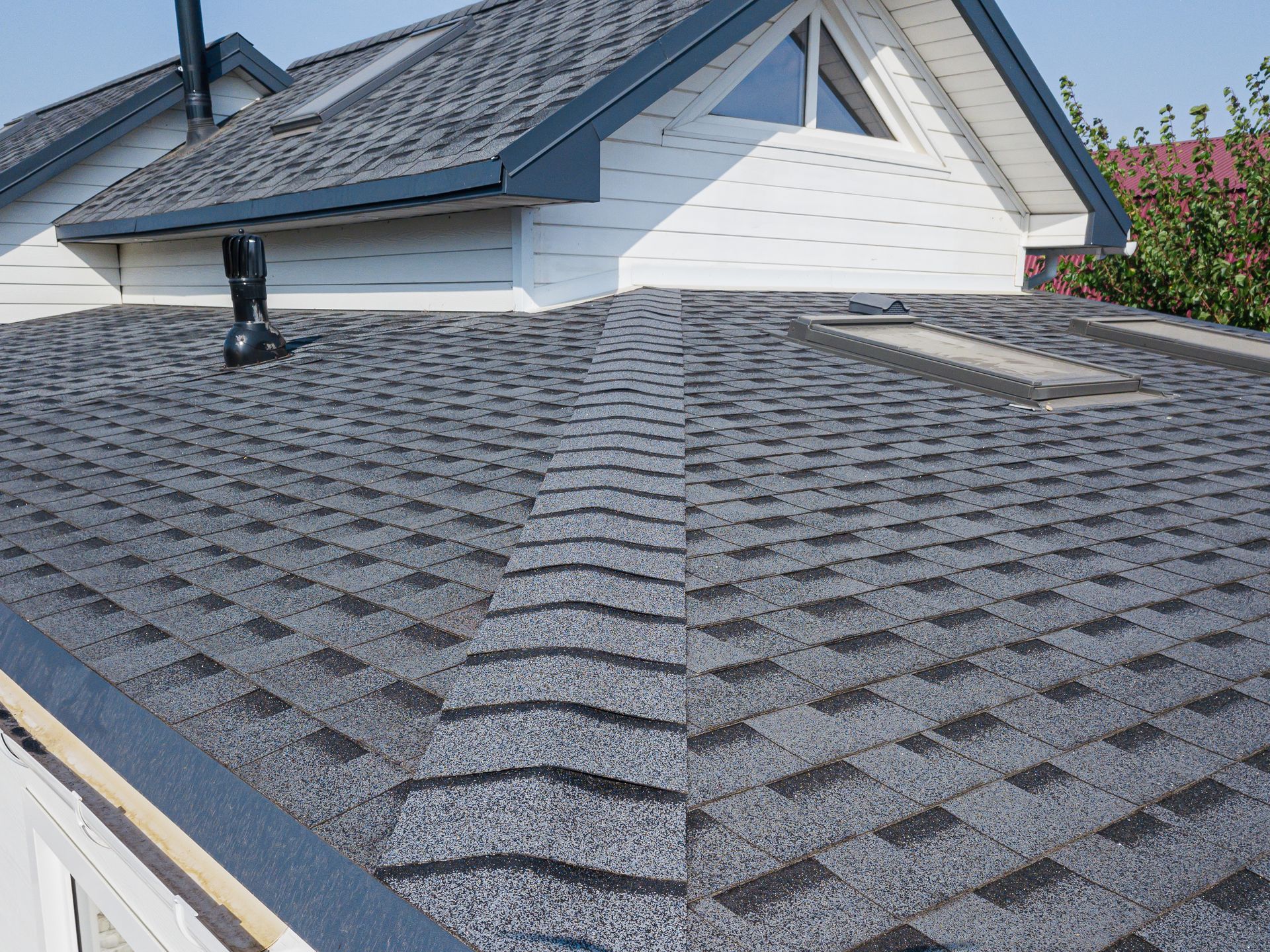
High roof lines take direct wind exposure, so cap materials, vent fasteners, and adjoining shingles are checked together.

Sidewalls And Chimneys
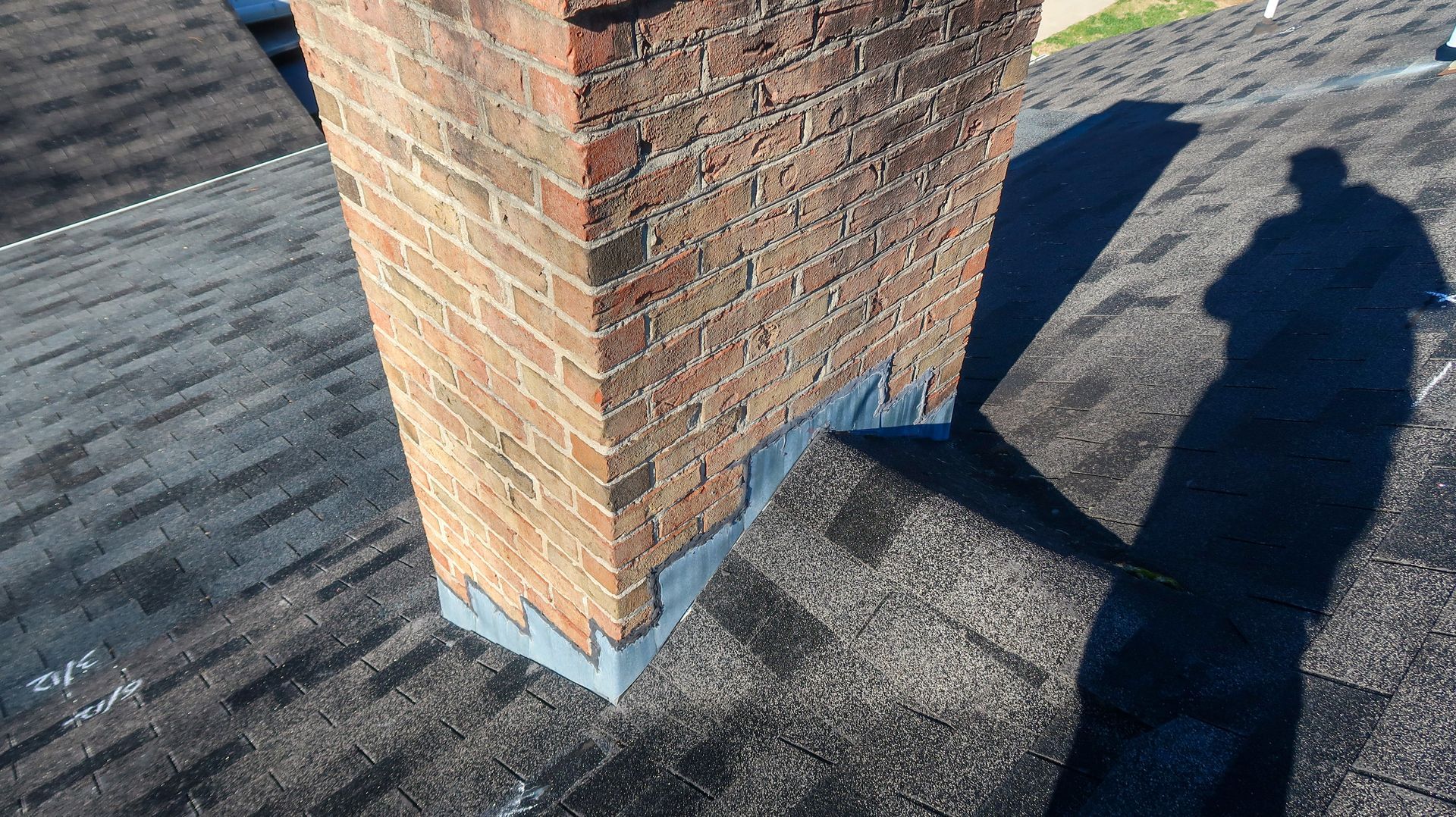
Lifted shingles near vertical surfaces can expose step flashing or counterflashing that also needs to be reset for a watertight repair.
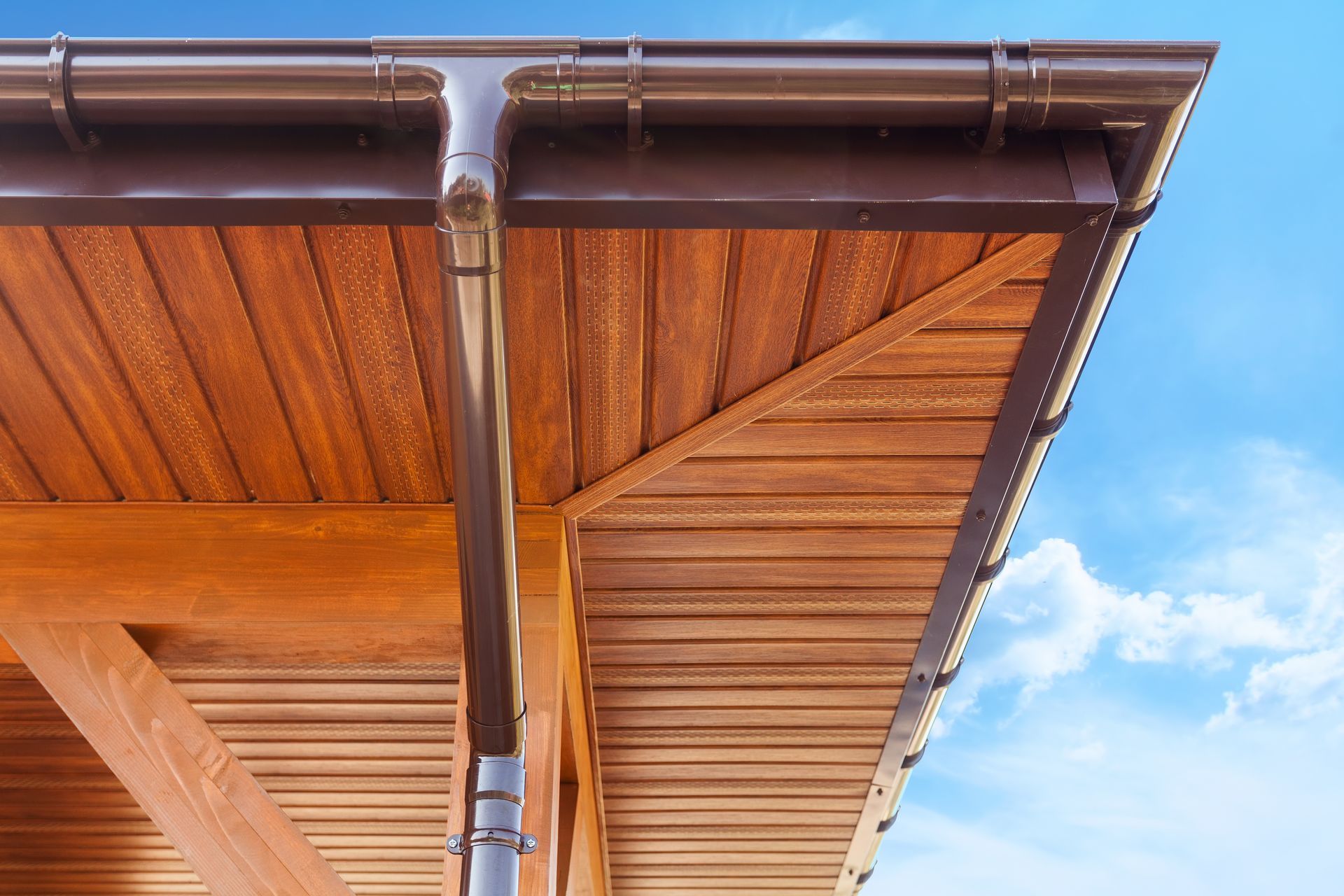
Pipe Boots And Small Penetrations
A shifted boot or cracked seal around a pipe can create a leak that looks unrelated to the missing shingles a few feet away.
Five Steps From Temporary Protection To Permanent Repair
Wind repairs move faster when the active opening, damage boundary, material condition, and exterior connections are identified early. C&D stabilizes urgent areas when needed, inspects the roof, defines a repair that can tie into sound material, completes the work, and checks the finished water path.
Stabilize Active Openings
If the roof is open and weather is still a concern, C&D can provide emergency tarping before the permanent repair is scheduled.
Trace The Full Damage Area
The inspection checks missing, lifted, creased, or displaced material along with flashing, ridges, gutters, and visible deck exposure.
Choose A Reliable Repair Boundary
C&D identifies where damaged roofing ends and stable surrounding material begins so new work can be integrated properly.
Rebuild The Affected Assembly
Compromised surface material, underlayment, flashing, edge components, and localized decking are repaired in the order the roof needs.
Review The Repair And Exterior
The completed area is checked for alignment, fastening, flashing, runoff, debris cleanup, and any related siding or gutter concerns.
Loose Roofing And Storm Debris Need Controlled Work Areas
A wind-damaged roof may have loose shingles, sharp metal, broken branches, or materials hanging near eaves and gutters. C&D organizes access and cleanup around the home so the crew can repair the roof without spreading debris across driveways, landscaping, patios, or neighboring property.
- Keep people and vehicles clear of areas below loose roofing, gutters, branches, or trim until the unstable components have been inspected.
- Use controlled ladder and material access so emergency protection or repair work does not create new damage at the roof edge.
- Collect removed shingles, fasteners, cut metal, and storm debris as work progresses instead of waiting until the entire repair is finished.
- Protect siding, windows, decks, planting beds, and exterior equipment beneath the active work area when damaged material is being removed.
- Finish with a ground review and magnetic sweep where roofing fasteners or metal pieces may have fallen during the storm or repair.
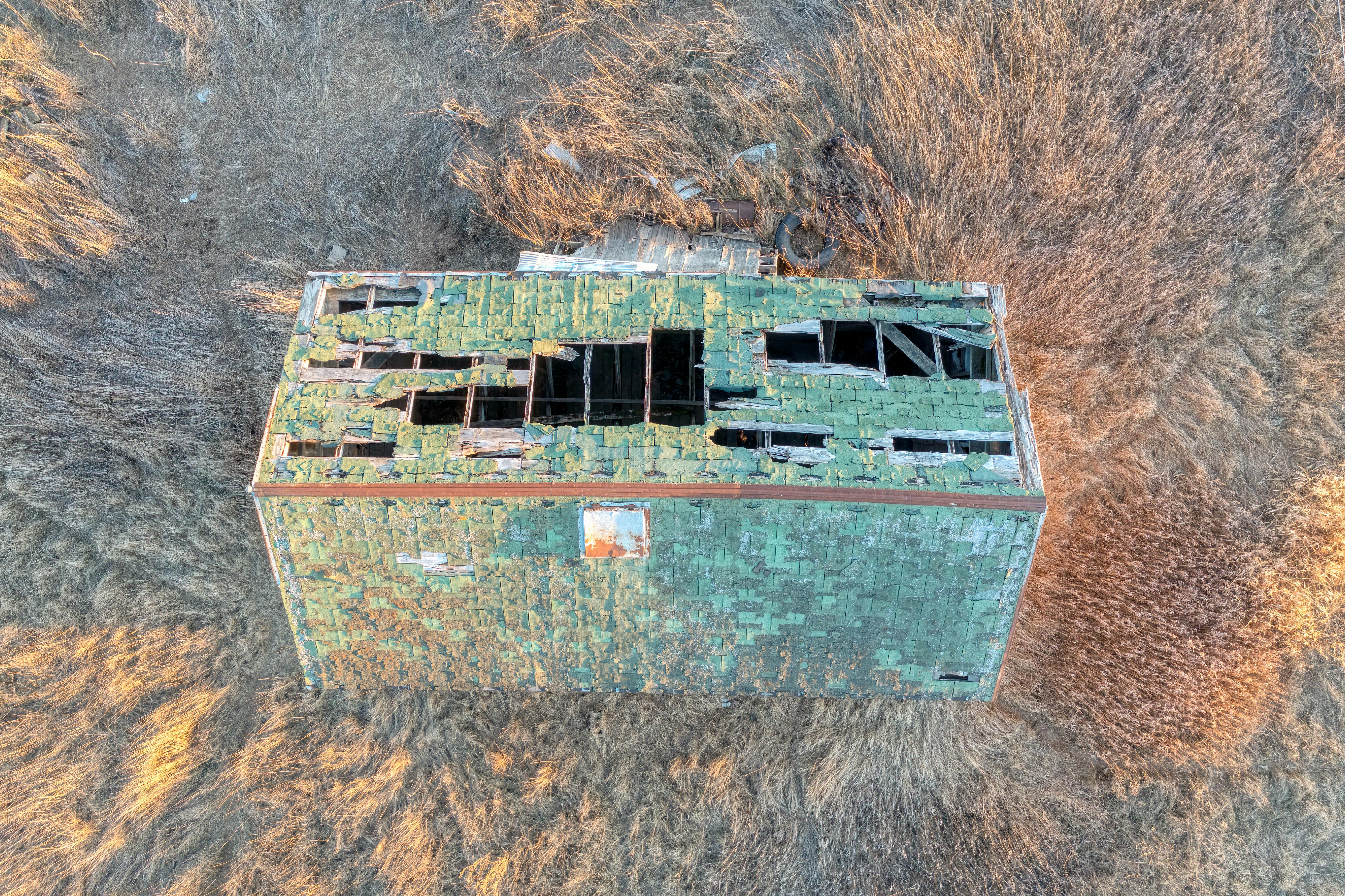
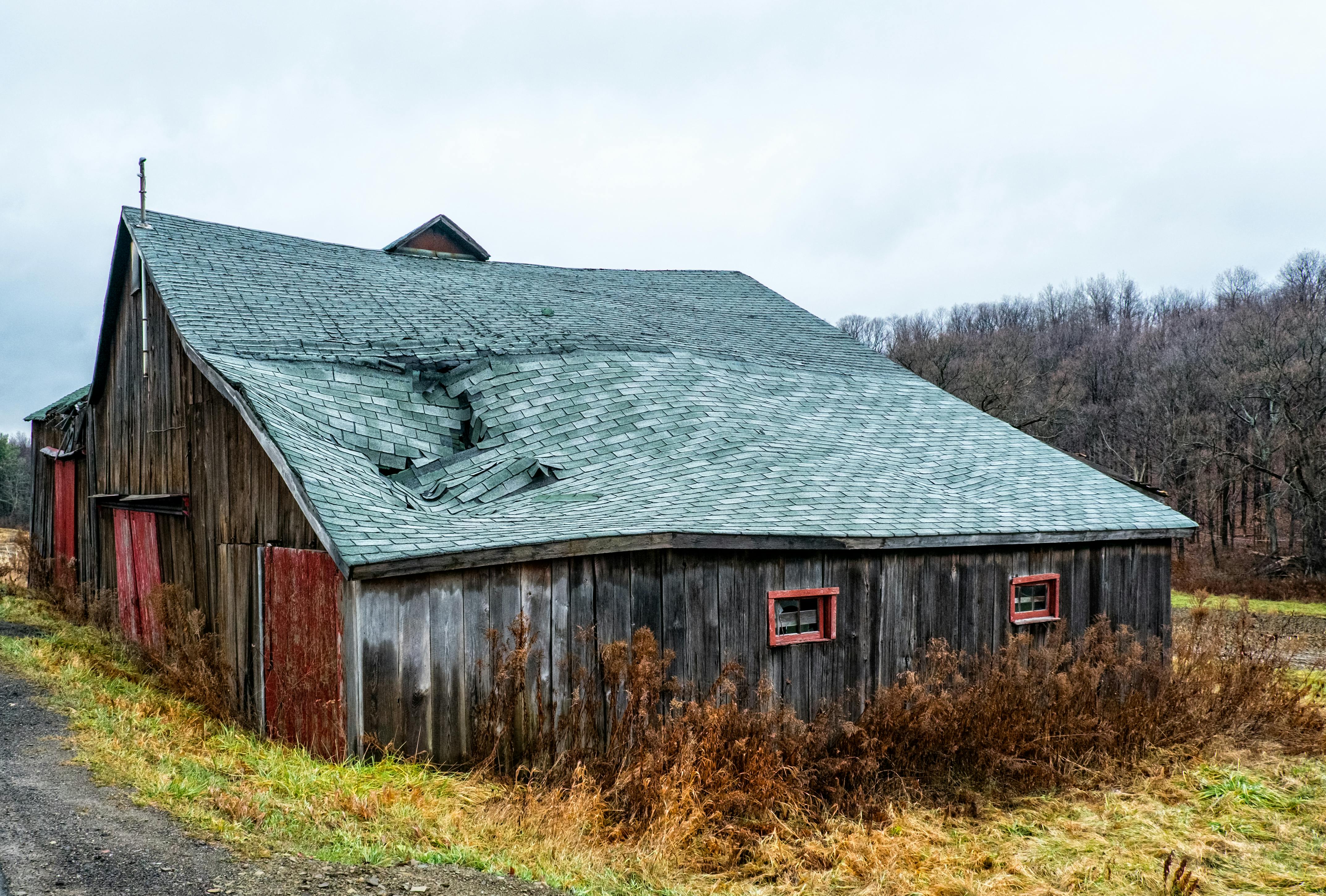
Wind Repairs Across Ballwin And West St. Louis County
C&D repairs wind-damaged roofs near Manchester Road, New Ballwin Road, Holloway Road, Ries Road, Clayton Road, Vlasis Park, and nearby Ballwin neighborhoods. The mix of ranch homes, split-levels, two-story houses, additions, mature trees, and sloped lots means storm damage can look very different from one property to the next.
A tree-lined lot can funnel debris toward valleys and roof edges, while a more open property may take stronger direct gusts across broad roof planes. C&D bases the repair on the damaged roof section, surrounding material condition, access, drainage, and exterior connections found at the property.
Compare Wind Repair With Replacement And Connected Exterior Work
Some wind events damage one repairable section. Others expose aging materials or affect gutters and siding at the same time. These C&D resources help Ballwin owners compare the available roof and exterior paths after the inspection.
Ballwin Roof Repair Resources
Connected Storm Services
Questions Homeowners Ask After Strong Wind Hits The Roof
These answers cover missing shingles, lifted tabs, leaks, emergency tarping, repair boundaries, decking, gutters, insurance assistance, cost factors, and when a larger roof project may make more sense.
Can one missing shingle be repaired after wind damage?
Often it can, but the surrounding shingles must still be secure enough for a dependable tie-in. C&D also checks underlayment, fasteners, and nearby tabs for hidden lifting or creasing before treating the problem as a one-shingle repair.
What does a creased shingle mean after strong wind?
A crease can show that the shingle was lifted and bent. The exact repair depends on the shingle condition, location, and surrounding material, so the area should be inspected rather than simply pressed back into place.
Should I tarp the roof if wind removed shingles?
An open area may need temporary weather protection when permanent repair cannot be completed right away. C&D offers 24/7 emergency tarping for storm openings and can follow with a full repair evaluation.
Can wind-driven rain leak through flashing even if shingles are still present?
Yes. Wind can push rain toward sidewalls, chimneys, valleys, and penetrations where a loose or failed detail allows water below the roof surface. The leak path should be traced before repair.
Will C&D inspect the decking under a wind-damaged area?
When the repair exposes the substrate or there are signs of moisture or weakness, C&D checks whether the sheathing can still hold fasteners and support the repaired assembly.
Can gutters or fascia be damaged during the same wind event?
Yes. Roof edges, gutters, fascia, siding, and other exterior components can be affected together. C&D can review those connections when the repair area reaches the eave or wall system.
Can C&D help with a wind damage insurance claim?
Yes. C&D provides insurance claim assistance and can document observed storm conditions, affected roof areas, and connected exterior damage for the owner.
What if matching shingles are difficult to integrate into the existing roof?
The ability to make a sound repair depends on the remaining material condition, layout, and repair boundary. C&D explains when a localized tie-in is practical and when broader work should be considered.
What affects the price of wind damage roof repair?
The damaged area, roof height and pitch, access, material type, flashing work, decking repairs, emergency protection, and connected gutter or siding work can all affect the scope. A site inspection is needed for an accurate plan.
How do I know if wind damage calls for repair or roof replacement?
C&D looks at the extent of storm damage, condition of surrounding roofing, number of affected slopes, leak paths, and whether a durable localized repair can be made. The recommendation should follow those findings, not the storm alone.
Missing Or Lifted Roofing After A Storm? Get A Ballwin Wind Damage Repair Plan
Call C&D General Contractors when wind has removed shingles, lifted roof edges, disturbed flashing, or opened a leak path. C&D can provide emergency tarping when needed, inspect the full damage boundary, and explain the permanent repair that fits the roof.