
Storm Damage Basehor, KS
C&D General Contractors inspects storm-damaged homes and exterior systems across Basehor, KS, including properties near K-7, US-24/40, 155th Street, State Avenue, and surrounding Leavenworth County roads. The review can include the main roof, attached and detached garages, sheds, gutters, siding, windows, masonry, and interior moisture evidence.
Basehor properties often have more open exposure than dense urban neighborhoods. Wind can reach long roof edges and gable ends with fewer nearby buildings to break it, while hail may affect the house, garage, fence-line structures, metal vents, gutters, and siding in one pass. Larger lots also change how crews reach the building and stage emergency or permanent work.
How Open Exposure Changes Storm Damage In Basehor
A roof at the edge of a subdivision, beside open land, or on a larger lot can experience stronger pressure at corners, ridges, gable ends, and porch connections. Damage may begin with broken seals or loosened edge materials that are difficult to see until the next storm pushes rain underneath. Hail can also strike several detached structures without producing the same marks on every roof surface.
C&D reviews the direction of damage, the condition of each structure, and the path water follows after it leaves the roof. That includes checking long gutter runs, downspout outlets, lower roofs, siding, windows, and the ground around the foundation. The repair plan is based on the full property—not just the most visible roof plane from the driveway.
One Exterior Contractor For The House And Connected Structures
C&D is family-owned and operated by a second-generation team, holds BBB accreditation with an A+ rating, and can handle roofing, siding, gutters, windows, and masonry. That wider capability helps when a Basehor storm affects the main house, garage, outbuilding, and drainage system at the same time.
Address Wind Edges, Hail Impacts, Drainage, And Detached Structures
Storm restoration on a larger property requires more than walking one roof. C&D maps each structure and exterior elevation, identifies which materials were exposed, and checks whether runoff or damaged drainage is directing water toward lower roofs, siding, walkout areas, or the foundation.
Wind Edge Inspection
Long rakes, eaves, ridge lines, gable ends, starter rows, and porch connections are checked for broken seals and pull-through damage.
Hail Pattern Evaluation
Roofing, vents, gutters, downspouts, window wraps, siding, and other exposed materials are compared across the property.
Plan Storm Repairs For Larger Lots And Open Wind Paths
A long driveway, fenced yard, detached garage, open rear elevation, or house near undeveloped land changes access and exposure. C&D includes those site conditions in the inspection and repair plan so temporary protection, delivery, debris control, and permanent work are coordinated from the start.
Detached Structure Review
Garage and outbuilding roofs are evaluated for their own material age, slope, fastening, flashing, and storm exposure.
Exterior Water Control
Gutters, siding, windows, fascia, soffits, masonry, and downspout discharge are reviewed when the storm changed drainage.
Determine Whether Wind, Hail, Debris, Or Drainage Caused The Problem
A leak after a storm does not automatically mean the shingle field failed. Wind may have opened a ridge or gable edge, hail may have damaged a vent, debris may have punctured a lower roof, or a bent gutter may be sending water behind the fascia. C&D compares the visible condition across the entire property before choosing the repair.
- Inspect windward corners, gable ends, porch roofs, and roof edges that face open land or long streets with little shelter.
- Compare hail marks on the house with garages, sheds, gutters, vents, siding, and window metals instead of assuming every structure was hit equally.
- Check for debris impact below trees, near fence lines, and on lower roofs where branches or loose material may have landed out of sight.
- Follow long gutter runs and downspout discharge because a damaged outlet can move large volumes of storm water toward the siding or foundation.
Property Damage Checker
Choose the issue closest to the Basehor property so the inspection begins with the likely exposure, structure, or drainage failure.
Rebuild The Parts That Resist Wind And Move Water
The storm may reveal weaknesses at fastening, edges, penetrations, or drainage rather than across the entire roof field. C&D reviews the layers that hold materials down and move water away so the finished repair is tied into a complete roof and exterior system.
- Evaluate the roof covering for wind creases, broken seals, missing pieces, hail fractures, punctures, and damage around exposed fasteners.
- Check starter, drip edge, rakes, eaves, ridge caps, and gable details where open exposure can increase pressure on the perimeter.
- Inspect underlayment, flashing, pipe boots, vents, valleys, walls, and porch transitions where storm water can bypass the surface material.
- Review decking beneath impact or prolonged leakage and identify sheathing that cannot hold fasteners or support a reliable repair.
- Restore gutters, downspouts, fascia, siding, windows, and masonry connections that control how water leaves each structure.
Four Places Open-Site Storms Commonly Test
Wind and hail load the roof differently depending on direction, shelter, building height, and nearby structures. These details help show whether damage is limited to one component or repeated across the property.
Wall And Chimney Flashing
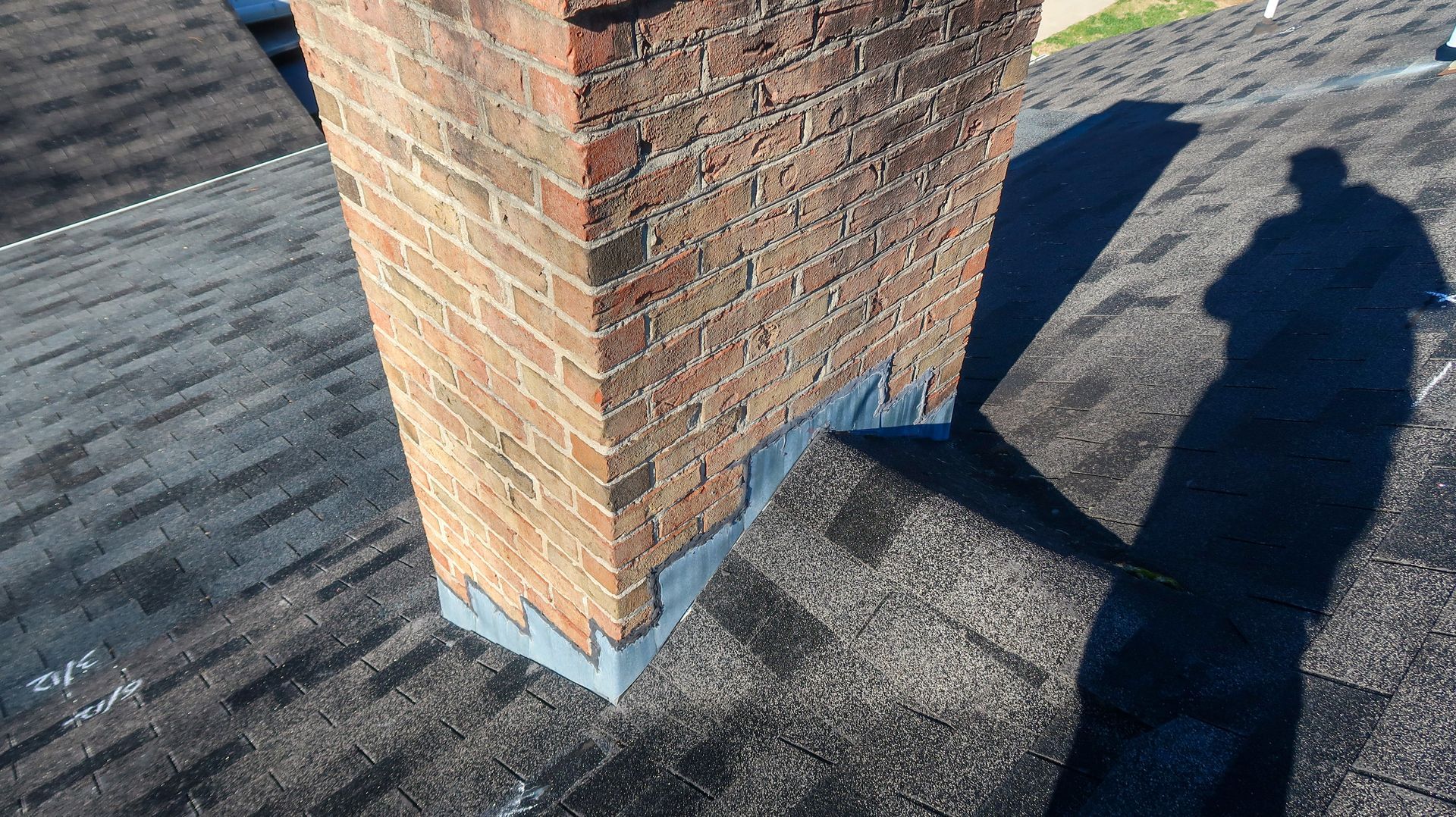
Open exposure can drive rain under loosened counterflashing, step flashing, siding transitions, and old sealant joints.
Windward Shingles
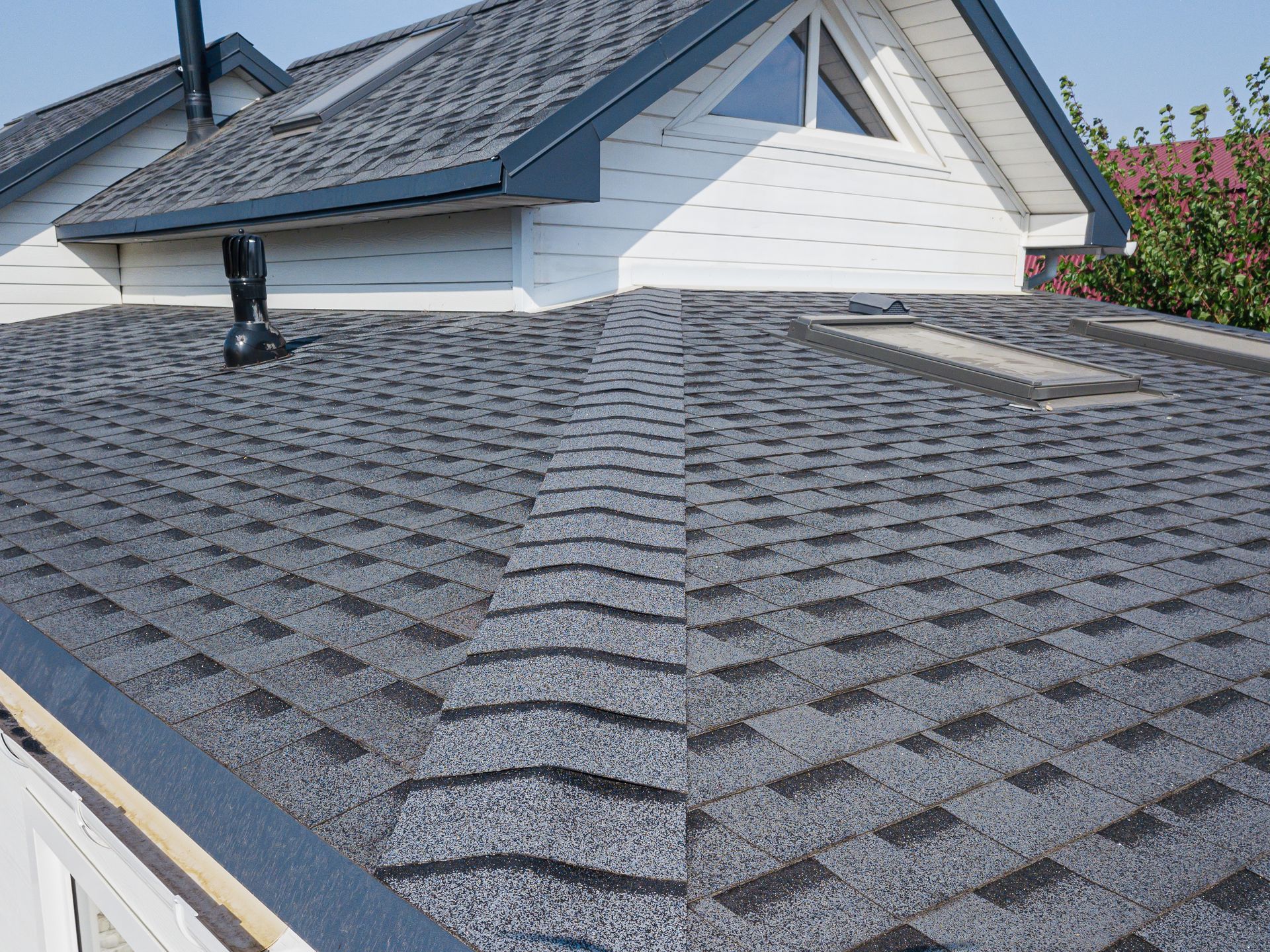
Creases, lifted corners, broken seals, edge tears, and fastener pull-through are checked on slopes facing the strongest wind path.

Vent And Penetration Damage
Hail, debris, and wind can crack vents, loosen boots, and open fasteners even when the surrounding shingles look unchanged.
Long Gutter Runs
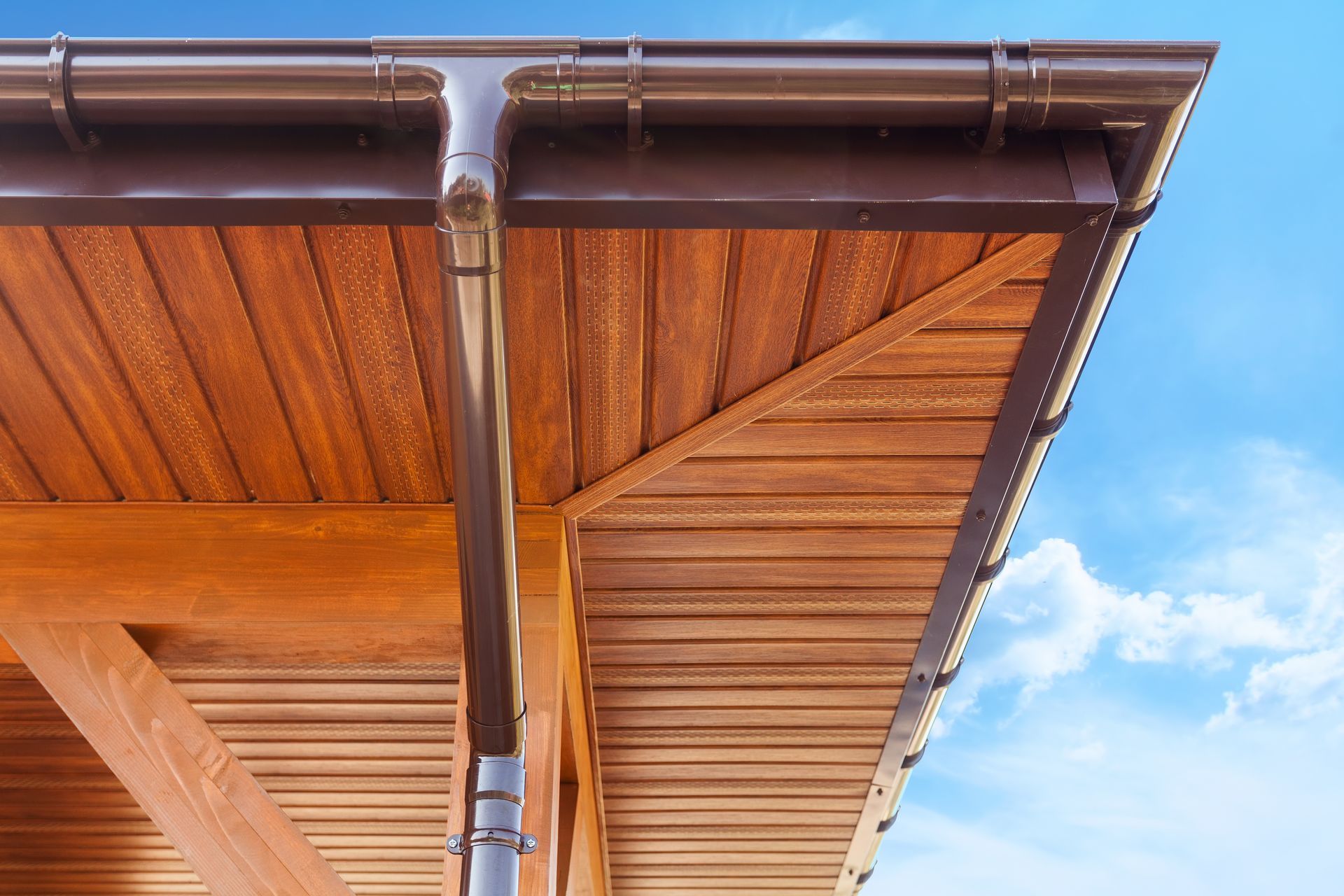
Dents, loose hangers, bad pitch, crushed outlets, and displaced downspouts can send concentrated water behind fascia or toward the foundation.
How C&D Inspects A Larger Property After A Storm
The process accounts for multiple structures, longer access routes, open exposure, and more ground to protect. Each roof and exterior elevation is recorded before the repair scope is assembled.
List Every Structure
The house, attached garage, detached garage, sheds, covered patios, and other roofed areas are identified before inspection.
Secure Urgent Openings
Missing roofing, punctures, and active leaks are evaluated for emergency tarping or temporary weather protection.
Compare Exposure
Damage is documented by structure, wind direction, roof slope, exterior elevation, and related hail or drainage evidence.
Build The Scope
Repair and replacement needs are separated by structure and trade, with access, materials, and hidden conditions explained.
Restore The Site
Completed work, debris collection, nail sweeps, drainage, gates, drives, and repaired structures are reviewed before closeout.
Larger Lots Need Deliberate Access, Staging, And Cleanup
A long driveway or detached building can make storm work easier to spread out, but it also creates more ground where debris, nails, and materials can be missed. C&D plans access to each structure, keeps essential drives and gates usable, and separates work zones so residents, pets, vehicles, and landscaping are not mixed with construction traffic.
- Confirm driveway width, turnaround space, soft ground, gates, fences, overhead lines, and access to detached structures before delivery.
- Set separate protection zones around the house, garages, sheds, patios, windows, equipment, and landscaped areas below roof edges.
- Stage materials where they can reach the work without blocking daily vehicle access or creating unnecessary travel across lawns and drainage areas.
- Control windblown wrappers, underlayment, shingles, metal pieces, and loose debris that can travel farther on an open site.
- Sweep driveways, paths, structure perimeters, gate areas, and material routes with magnets and visual checks before final walkthrough.
Storm Damage Service Near K-7, US-24/40, And Western Metro Roads
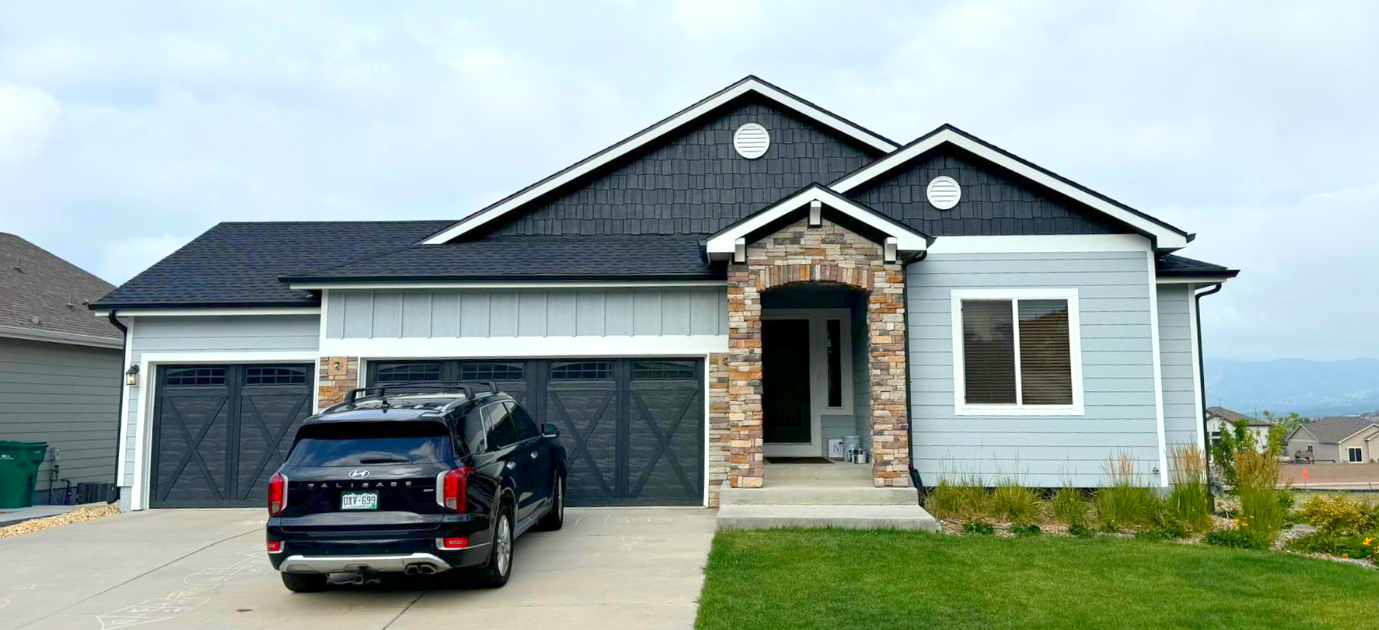
C&D serves Basehor properties near K-7, US-24/40, 155th Street, State Avenue, and surrounding Leavenworth County roads. The area includes established homes, newer subdivisions, open-edge lots, larger properties, and detached structures with different roof materials and exposure patterns.
Owners can request storm inspection, emergency tarping, insurance documentation, roof repair, roof replacement evaluation, and coordinated exterior restoration. The inspection identifies the condition of each structure before work is grouped into a practical sequence.
Review Service Options For The House And Outbuildings
A Basehor storm scope may be different on the house, garage, and other roofed structures. One may need a repair, another may need replacement, and the siding, gutters, windows, or masonry may require separate exterior work. These pages explain the service categories before the on-site scope is finalized.
Roofing Pages
Exterior Pages
Storm Questions From Basehor Homeowners And Property Owners
These answers cover open wind exposure, outbuildings, hail patterns, emergency tarping, hidden damage, insurance documentation, drainage, repair decisions, cost factors, and large-lot preparation.
Does open land make wind damage more likely?
Open exposure can increase wind pressure at gable ends, corners, ridges, rakes, eaves, and porch connections because fewer nearby structures interrupt the wind path. Actual damage still depends on the storm, roof design, materials, and installation.
Will C&D inspect garages and outbuildings?
Yes. Tell the inspector which structures are included. Each roof is evaluated for its own material, age, slope, fastening, flashing, hail evidence, wind damage, and repair needs.
Can hail damage one structure but not another?
Yes. Roof angle, material, shelter, storm direction, and distance can produce different impact patterns across the same lot. The house and detached structures should be documented separately.
Is emergency tarping available in Basehor?
Yes. C&D provides 24/7 emergency tarping when missing materials, punctures, tree impact, or active leakage leaves a roof exposed.
What roof areas are most vulnerable to wind?
Corners, gable ends, rakes, eaves, ridges, starter rows, porch roofs, and exposed transitions often receive concentrated pressure. The inspection also checks whether shingles resealed over hidden creases or tears.
Can gutters cause damage after the storm passes?
Yes. Bent sections, loose hangers, crushed outlets, or displaced downspouts can overflow during later rain and send water behind fascia, onto lower roofs, or toward siding and foundations.
Can C&D help with insurance documentation?
When the owner needs a record of the event, C&D can label roof and exterior photos, note the material and location, and describe the repair method. Claim filing and coverage remain the owner's and carrier's responsibilities.
When is repair enough on a storm-damaged roof?
Repair can work when damage is localized, compatible materials are available, surrounding roofing is serviceable, and the repair can restore secure fastening, flashing, and water shedding.
What affects the cost of storm work on a larger property?
Factors include the number of structures, roof size and slope, access distance, material type, emergency work, decking, flashing, gutters, siding, windows, masonry, debris handling, and whether each roof needs repair or replacement.
How should I prepare a large lot for the crew?
Identify all structures, unlock gates, clear vehicles from delivery and work routes, secure pets, point out septic or soft-ground areas when relevant, and move fragile items away from roof edges.
Need Storm Damage Help In Basehor, KS?
Call C&D General Contractors when wind, hail, debris, or heavy rain has affected a Basehor house, garage, outbuilding, gutter system, siding, windows, or masonry. The inspection will map the damage across the property and explain urgent protection, repair, replacement, and claim-documentation needs.