
Storm Damage Gardner, KS
C&D General Contractors inspects storm damage for Gardner, KS homes and properties near I-35, Main Street, Center Street, Moonlight Road, and surrounding Gardner neighborhoods. The review can include roofing, ridge and edge materials, vents, flashing, gutters, siding, windows, masonry, attic decking, and interior leak evidence.
Gardner sits where growing subdivisions, established streets, and more open land can create very different wind and hail exposure from one property to the next. Straight-line wind may lift perimeter shingles or siding while hail marks roof surfaces, gutters, vents, and exterior trim. Damage that looks minor from grade can become a leak after another hard rain.
What To Do After A Damaging Storm In Gardner, KS
Start by checking the property from the ground for missing shingles, displaced ridge material, hanging gutters, loose siding, broken glass, fallen limbs, and water entering ceilings or attic spaces. Keep people away from unstable debris and damaged electrical areas. If the roof has an opening, temporary protection may be more urgent than a complete inspection of every cosmetic mark.
C&D can prioritize emergency tarping, then inspect the remaining roof and exterior when conditions are safe. The findings should explain which damage is storm-related, which materials can be repaired, where a larger restoration may be necessary, and what photographs or scope details can support the owner’s insurance discussion without promising a coverage outcome.
A Property-Wide Review From A Full-Service Exterior Contractor
Storms do not respect trade boundaries. Wind can affect shingles and siding on the same elevation, hail can mark roofing and gutters, and water may enter where flashing meets a wall or masonry surface. C&D can inspect those connections and organize the work without forcing the owner to diagnose which contractor should handle each symptom first.
Storm Damage Work That Starts With The Most Urgent Risk
After severe weather, the first job is preventing more water from getting inside. Once openings are secured, the inspection can separate localized wind repairs, widespread hail effects, drainage damage, siding or window concerns, and pre-existing wear. That sequence keeps the restoration focused on real performance problems rather than treating every roof mark as the same type of loss.
Wind-Damaged Roofing
Perimeter shingles, ridge caps, vents, flashing, and exposed roof planes are checked for missing pieces, creases, broken seals, and rain entry.
Hail And Metal Review
C&D compares shingle impact evidence with gutters, vents, downspouts, flashing, siding, and trim to map the storm pattern.
Stop The Water First, Then Map The Full Damage
A missing shingle, puncture, or shifted flashing detail can allow immediate water entry, while hail bruising and loosened exterior components may fail later. C&D prioritizes openings and active leaks before documenting the broader roof, gutter, siding, window, and masonry conditions that belong in the permanent plan.
Emergency Roof Covering
When storm damage opens the building envelope, 24/7 tarping can provide temporary water control until permanent repair work is ready.
Insurance Restoration Scope
Supported roof and exterior damage can be photographed and organized into a practical repair plan with claim communication assistance.
Separate Immediate Water Entry From Damage That Can Be Scheduled
A storm inspection should not spend an hour measuring dents while rain is entering the attic. The first pass identifies hazards and openings; the detailed review then checks patterns, repairability, connected exterior materials, and documentation. That order protects the building and gives the owner a usable restoration roadmap.
- Look for missing roofing, punctures, lifted flashing, fallen limbs, broken skylights, and other direct openings first.
- Review wind-facing roof edges, ridges, siding elevations, fascia, soffits, and loose exterior trim for movement.
- Compare hail marks across roofing, gutters, vents, downspouts, window wraps, and other exposed surfaces.
- Record interior stains, attic moisture, damaged contents, and storm timing without entering unsafe or electrically affected areas.
Project Checker
Choose the closest condition so the inspection starts with water entry, wind failure, hail evidence, or exterior system damage.
Where Wind Hail And Rain Can Break Down A Gardner Property
The visible roof covering is only one part of the weather barrier. Wind can work under edges, hail can weaken exposed surfaces, and rain can follow flashing, siding, or drainage defects into the structure. The inspection needs to connect the exterior damage to the assembly beneath it.
- Field shingles, ridge caps, eaves, and rakes reviewed for impact, lift, creasing, broken seals, and missing material.
- Valleys, underlayment zones, and roof transitions considered where driven rain may bypass a damaged surface layer.
- Vents, pipe boots, wall flashing, chimneys, skylights, and masonry joints checked for movement or openings.
- Gutters, downspouts, fascia, soffits, siding, and window trim inspected for dents, separation, cracks, and drainage problems.
- Attic decking and accessible interior areas checked for punctures, stains, wet insulation, and developing moisture paths.
Storm Details That Change The Repair Plan
Small exterior clues can point to larger system problems. These areas help show whether wind, hail, and water affected one repairable location or several connected parts of the building envelope.
Wall And Chimney Flashing
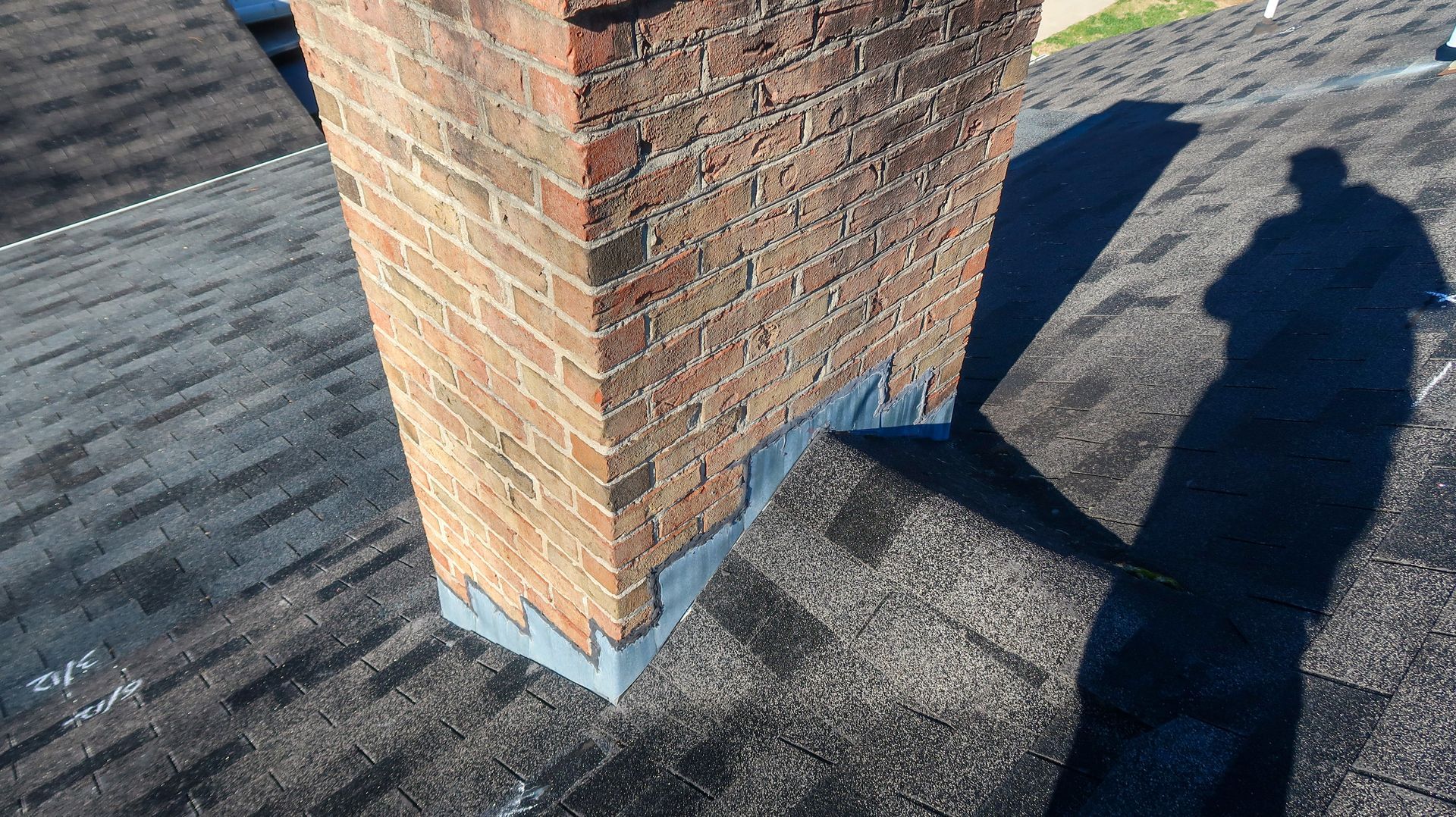
Wind movement and debris impact can loosen counterflashing, step flashing, or seal details where roof planes meet vertical surfaces.
Shingle Creases And Bruises
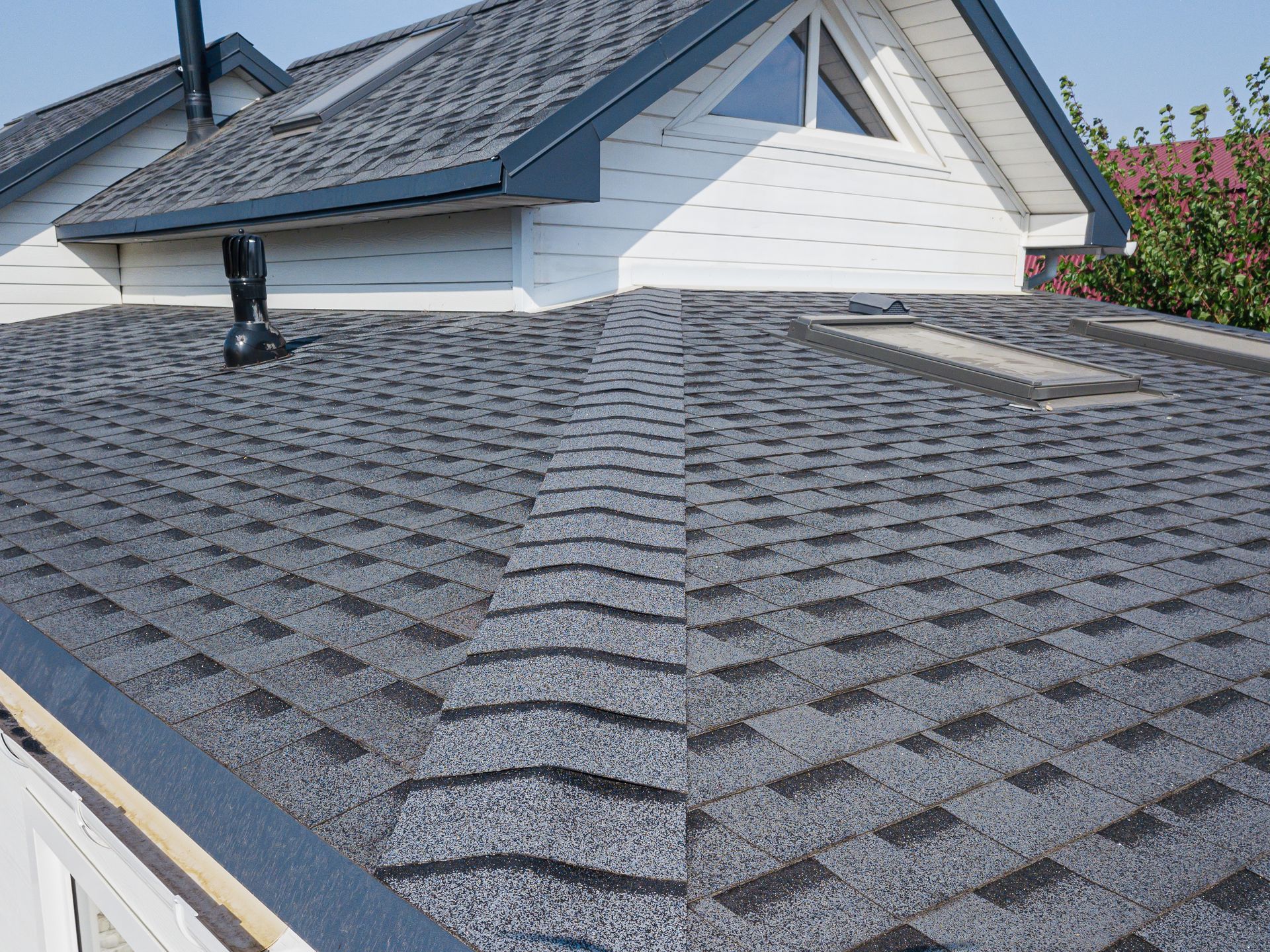
Wind creases and hail bruises may be subtle, but they can weaken the mat, break seals, and shorten the material’s reliable service.

Ridge And Vent Damage
High roof components receive direct exposure and may crack, loosen, dent, or open around fasteners during severe wind and hail.

Gutters Siding And Edges
Drainage and wall materials should be checked together when dents, loose panels, damaged fascia, or displaced edges appear after a storm.
How C&D Moves From Emergency Protection To Restoration
C&D uses a staged process so urgent leaks are not buried under paperwork and the permanent work is not based on incomplete evidence. The owner sees what was found, what needs immediate action, and how the complete exterior scope fits together.
Triage The Damage
The first review identifies hazards, active openings, interior water, and whether emergency tarping should be completed.
Inspect Roof And Exterior
Roof slopes, ridges, edges, flashing, gutters, siding, windows, masonry, attic areas, and interior clues are evaluated.
Photograph And Measure
Damage locations, material conditions, dimensions, and connected repair details are documented for a clear project record.
Coordinate The Plan
C&D explains repair versus replacement considerations and can assist with claim communication when insurance is involved.
Complete The Restoration
Approved roof and exterior work is performed with site protection, debris control, final review, and closeout information.
Storm Restoration Requires More Than Putting Materials Back
A Gardner storm site may include loose metal, scattered shingles, tree debris, soaked insulation, and damaged exterior components around the same access areas the crew needs. Newer neighborhoods can also have close property lines, finished landscaping, fences, patios, and parked vehicles near the roof edge. The work plan should protect those areas while damaged materials are removed and replaced.
- Create a safe path for inspection, ladders, material delivery, emergency covering, and debris removal.
- Move vehicles and outdoor items away from likely fall zones, roof edges, and equipment staging locations.
- Shield windows, siding, air-conditioning units, landscaping, decks, fences, and neighboring surfaces during roof work.
- Manage storm debris and removed materials throughout the project instead of leaving cleanup until the final hour.
- Complete nail sweeps, drainage checks, exterior review, and a homeowner walk-through after restoration activities.
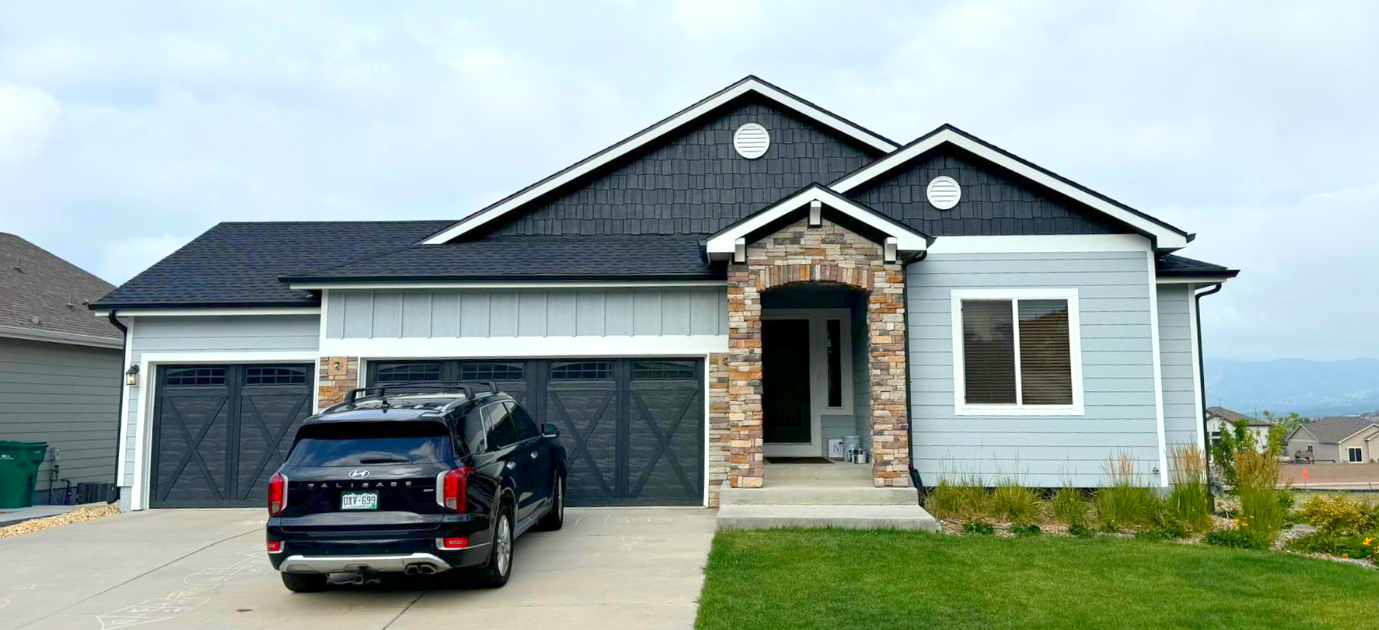
Storm Damage Inspections Across Gardner, KS
C&D serves Gardner properties near Main Street, Center Street, Moonlight Road, I-35, and surrounding residential and commercial areas within Gardner. Exposure can change across established in-town lots, newer subdivisions, commercial buildings, and properties closer to open ground, so the storm pattern should be evaluated at the building level.
Open wind paths can increase pressure at roof perimeters and exposed elevations, while mature trees and closely arranged roof sections create different impact and drainage concerns. C&D reviews the actual slope orientation, access, roof age, exterior materials, and water-control connections before recommending repair, replacement, or coordinated restoration.
Explore Roofing And Exterior Services
A Gardner storm claim or repair plan may involve roofing, gutters, siding, windows, or commercial roof components rather than a single isolated service. Review C&D’s related pages to understand the available exterior work, then use an on-site inspection to determine which systems were actually damaged and how the repairs should be sequenced.
Roofing Pages
Exterior Pages
Questions Gardner Owners Ask After Hail Wind And Heavy Rain
These answers address first steps after a storm, emergency roof covering, wind and hail evidence, roof and exterior repair decisions, insurance coordination, inspection scope, jobsite preparation, and restoration cost factors.
What should I do first after a storm damages my Gardner home?
Stay away from fallen lines, broken glass, unstable branches, loose roofing, and wet electrical areas. Photograph safe ground-level conditions, contain interior water when possible, and call for an inspection if the roof or exterior has an opening.
When is emergency tarping appropriate?
Tarping is appropriate when missing roofing, punctures, impact damage, or displaced flashing leaves an accessible opening that may admit more water. C&D offers 24/7 emergency tarping, subject to safe working conditions.
Can straight-line wind damage shingles without removing them?
Yes. Wind can break adhesive seals, lift tabs, crease shingles, loosen ridge caps, and move flashing while leaving much of the roof visually in place. Close inspection is needed to judge whether the material remains serviceable.
How can I tell whether hail damaged the roof?
Ground-level dents on gutters, vents, or downspouts may indicate impact, but they do not show the roof’s full condition. A safe inspection checks bruising, fractures, granule displacement, exposed mat, ridge materials, and multiple slopes.
Does C&D inspect siding windows and masonry too?
Yes. C&D is a full-service exterior contractor handling roofing, siding, gutters, windows, and masonry, which is useful when one storm affects several materials and water-control connections.
Will someone meet the insurance adjuster?
C&D can assist with documentation and claim communication when supported storm damage is present. Coordination depends on scheduling and project circumstances, and the insurer remains responsible for coverage and settlement decisions.
Is a roof replacement always required after hail?
No. The recommendation depends on whether damage is functional, how widely it is distributed, roof age and condition, material repairability, matching considerations, and whether connected components also failed.
Why inspect the attic after a wind or hail event?
The attic may reveal punctures, wet decking, stains, displaced fasteners, damp insulation, or light through an opening. Interior evidence helps connect exterior damage with actual water-entry paths.
What makes one storm restoration cost more than another?
Scope depends on roof size and pitch, number of damaged slopes or elevations, material type, access, emergency work, decking and flashing needs, gutters or siding involved, debris handling, and the complexity of coordinating connected repairs.
Can restoration be delayed if there is no active leak?
Some non-emergency work can be scheduled, but known openings, loose materials, damaged flashing, and vulnerable roof edges should not be ignored. An inspection can identify what needs prompt stabilization and what can wait for planned repair.
Need Storm Damage Help In Gardner, KS?
Call C&D General Contractors when a Gardner property has missing shingles, hail marks, damaged gutters or siding, an active leak, or a roof opening after severe weather. C&D can provide emergency tarping, inspect the connected roof and exterior systems, document legitimate damage, and build a practical restoration scope.