
Storm Damage Independence, MO
C&D General Contractors inspects storm-damaged roofs and exteriors throughout Independence, MO, including properties near Truman Road, US-24, I-70, Englewood, Fairmount, and the Little Blue Parkway corridor. The review covers the main roof, porch and addition tie-ins, detached garages, chimneys, gutters, siding, windows, and interior moisture clues.
Independence has many homes where older roof sections meet later additions, enclosed porches, low-slope rooms, or detached structures. Wind and hail can expose the weakest intersection first, while mature trees and fast runoff send water toward valleys, wall lines, and rear roof sections that are difficult to see from the street.
When Independence Storm Damage Needs More Than A Quick Patch
A small repair may be enough when damage is limited to one replaceable component and the surrounding roof is sound. A larger scope becomes more likely when wind has opened several roof edges, hail damage repeats across multiple slopes, a tree has affected decking, or water is entering at more than one addition, valley, chimney, or wall connection.
C&D inspects the building as a connected system. That means checking whether a ceiling stain came from the roof above it, a higher slope draining onto a lower addition, failed flashing beside a chimney, an overflowing gutter, or wind-driven rain entering through siding or window details. The recommendation follows the water path instead of assuming every stain is a shingle problem.
Practical Storm Restoration For Older And Modified Properties
C&D is family-owned and operated by a second-generation team, is BBB accredited with an A+ rating, and handles multiple exterior trades. That combination is useful on Independence properties where storm damage can cross old roofing, newer additions, gutters, siding, windows, masonry, and detached structures in the same project.
Find The Damage At Roof Edges, Additions, Garages, And Drainage Paths
Storm damage on an older or expanded home is easy to underestimate. The main roof may be serviceable while a porch tie-in leaks, or the shingles may look acceptable while wind has opened ridge caps and flashing on the back side. C&D inspects each roof plane and connected exterior system before recommending repair or replacement.
Wind-Lifted Roofing
Rakes, eaves, ridge caps, starter rows, tabs, flashing, and exposed corners are checked for broken seals and displaced materials.
Hail Damage Review
Shingles, vents, gutters, downspouts, siding, and window metals are compared for impact pattern and functional damage.
Follow Water Across Mixed Roof Ages And Additions
A roof built in one phase and an addition built years later may use different slopes, materials, flashing methods, and drainage patterns. C&D checks how those parts interact during heavy rain and wind so the repair addresses the weak connection—not just the newest visible stain.
Leak Path Diagnosis
Attic stains, ceiling marks, valleys, chimneys, additions, and roof-to-wall joints are traced to locate the actual entry point.
Exterior And Masonry
Siding, gutters, windows, fascia, soffits, chimneys, and masonry joints are reviewed when storm water bypasses the roof surface.
Separate Hail, Wind, Tree Impact, And Aging Roof Problems
Several conditions can appear after the same storm. A missing shingle may be fresh wind damage, a ceiling stain may come from an old flashing failure, and a dented gutter may not mean the roof is functionally damaged. C&D compares the pattern, age, location, and surrounding materials before assigning the repair scope.
- Check the yard and gutters for fresh roofing pieces, granules, metal fragments, branches, or siding sections that identify which elevations were exposed.
- Inspect lower additions beneath taller roofs because concentrated discharge, falling debris, and wind pressure can damage them differently than the main slope.
- Compare detached garage damage with the house; two structures on the same lot may have different materials, installation dates, and storm exposure.
- Trace water around chimneys, masonry walls, porch connections, and window heads where wind-driven rain can enter without a visible shingle opening.
Damage Source Checker
Choose the condition that best matches the Independence property so the inspection begins at the likely storm source instead of the first visible stain.
Repair The Opening, The Transition, And The Drainage Cause
A reliable storm repair does more than replace the material that blew into the yard. C&D reviews the supporting deck, transition details, water barriers, ventilation, and downstream drainage so the repaired area performs with the rest of the property.
- Replace or secure storm-damaged roof covering only after the surrounding material is checked for seal, brittleness, impact, and fastening condition.
- Rebuild flashing at chimneys, walls, additions, pipe penetrations, and valleys when movement or impact has opened the water-control detail.
- Inspect decking below tree impact, punctures, repeated leaks, and soft areas before installing replacement materials over concealed damage.
- Correct gutter alignment, crushed sections, blocked outlets, damaged fascia, and downspout discharge that may continue sending water toward the building.
- Coordinate siding, window, soffit, and masonry repairs when the leak path crosses the roof-to-wall boundary or affects more than one exterior trade.
Four Areas That Often Explain The Leak
The most visible roof damage is not always where water enters. These areas deserve careful inspection on homes with chimneys, porches, additions, detached structures, and mature tree cover.
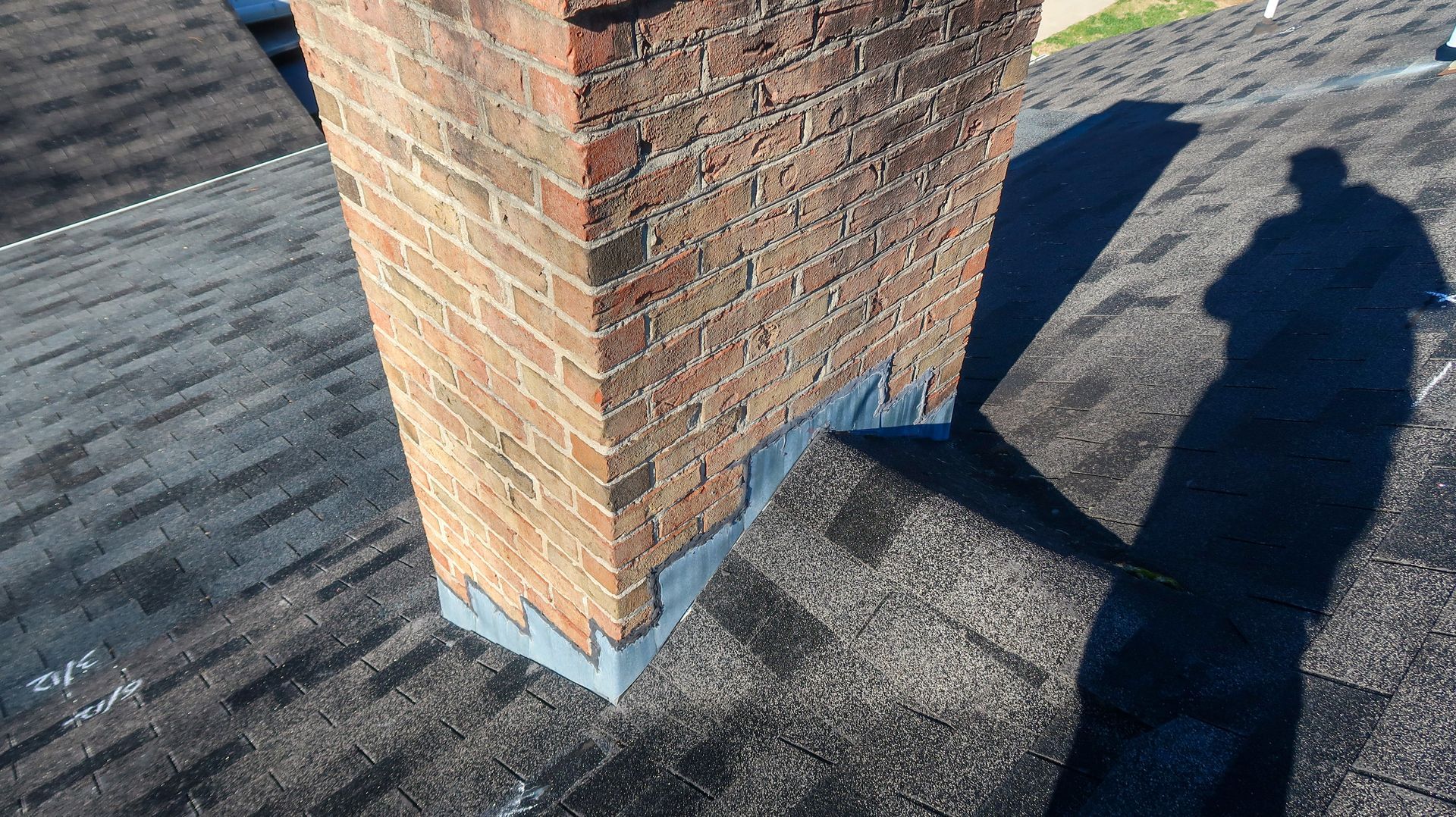
Chimney Flashing
Wind, branch contact, and old sealant can open step flashing or counterflashing where a masonry chimney meets the roof.
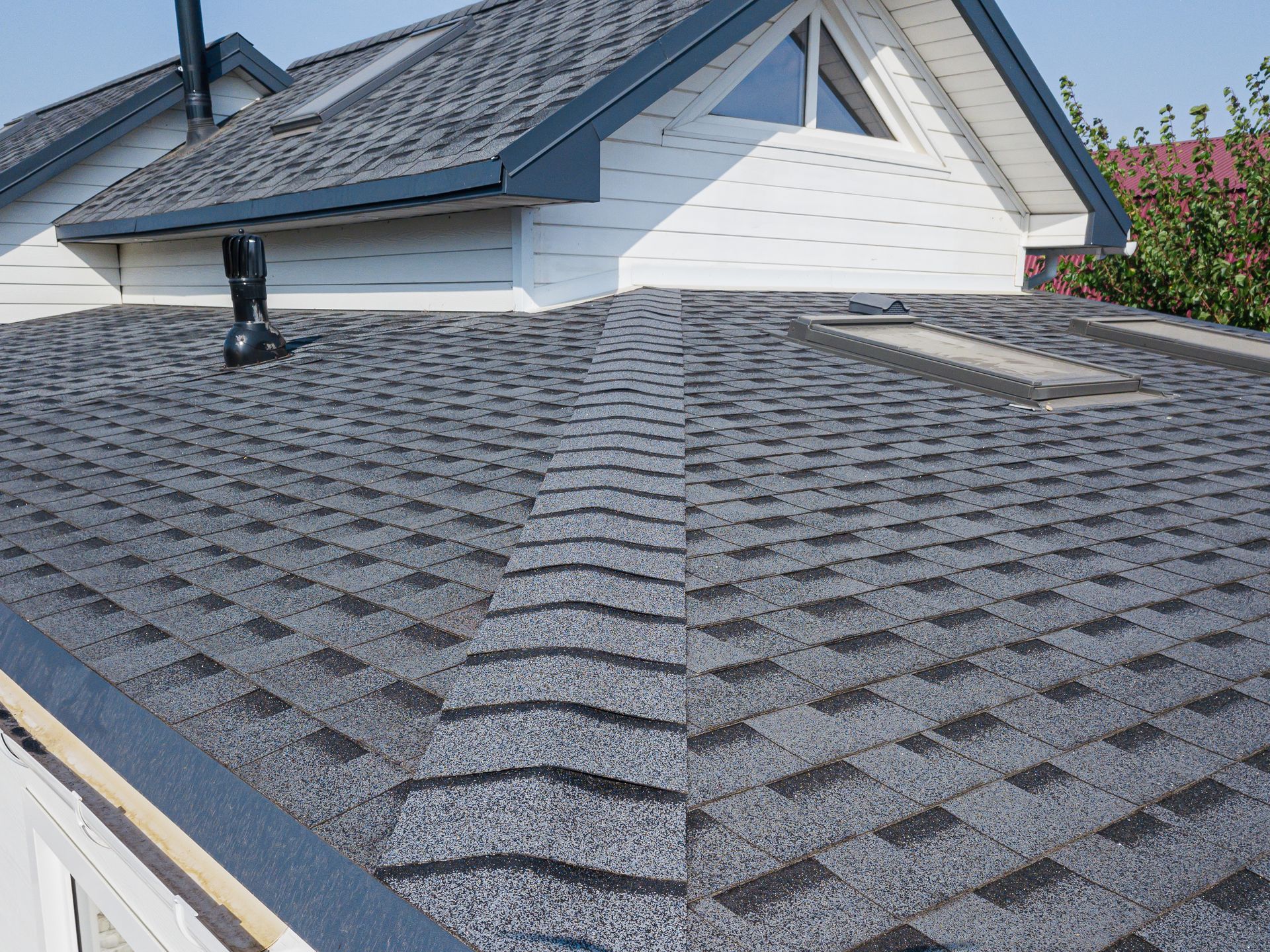
Shingle Seals
Tabs can look flat after a storm but still have broken seals, creases, torn fasteners, or fractured surfaces that reduce wind resistance.

Addition Valleys
Where a newer roof meets the original house, short valleys and wall lines can collect debris and receive heavy discharge from upper slopes.
Gutter And Fascia
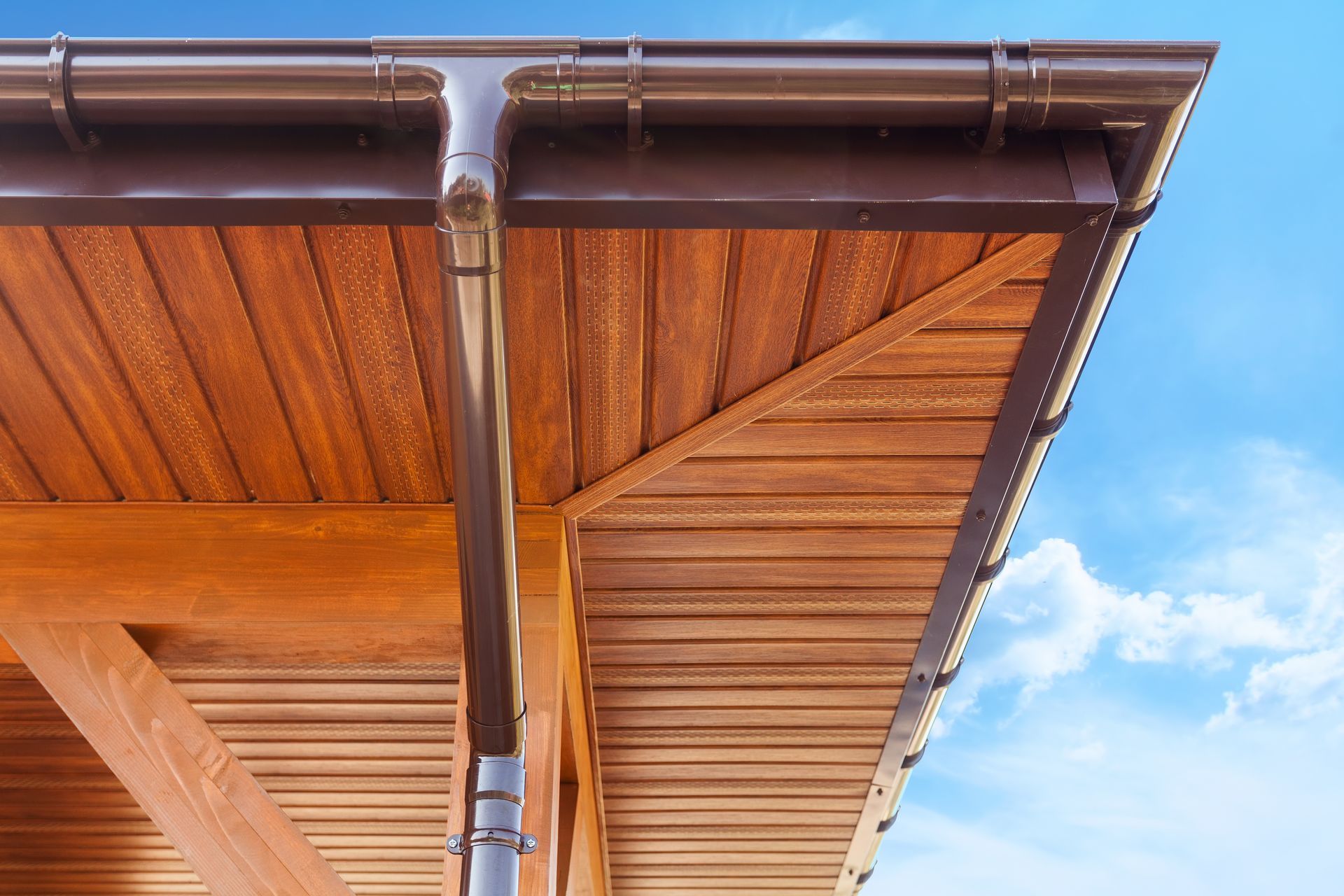
Bent gutters, loose hangers, damaged fascia, and overflowing corners can move storm water behind the roof edge or down exterior walls.
How C&D Inspects A Property With Several Roof Sections
The inspection sequence starts with immediate safety and water entry, then works across the main house, additions, garages, exterior elevations, and interior evidence. That order reduces the chance that one structure or transition is forgotten.
Map The Structures
C&D identifies the main roof, additions, porches, detached garages, chimneys, low roofs, and exterior elevations that need separate review.
Control Active Water
Openings and severe leakage are evaluated for 24/7 emergency tarping or other temporary measures before additional rain.
Trace And Document
Storm evidence and leak paths are photographed by structure, slope, transition, and affected interior area.
Plan The Repair
The scope explains which areas can be repaired, which require replacement, and which exterior components must be coordinated.
Restore And Clean
Work is completed with debris control, nail sweeps, drainage checks, and a final review of the repaired structures.
Plan Storm Work Around Garages, Alleys, Fences, And Tree Cover
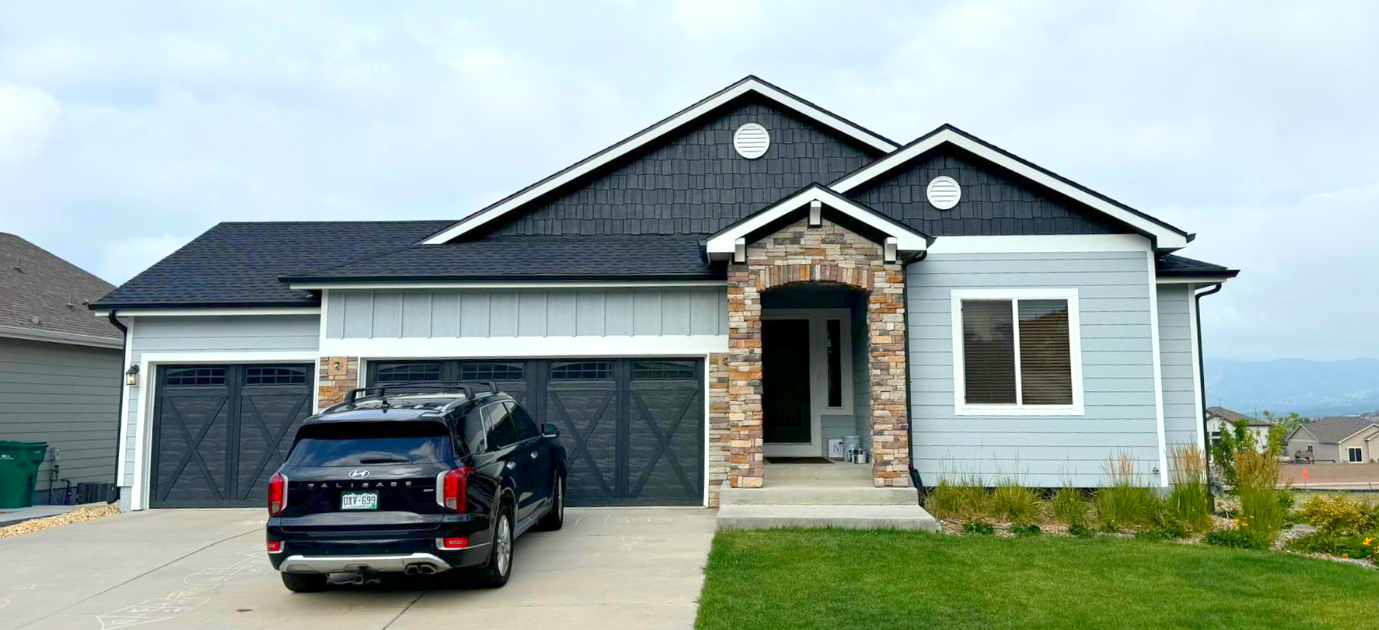
Independence properties can include rear garages, narrow side yards, alley access, chain-link or privacy fences, established gardens, large shade trees, and multiple roof edges over occupied spaces. The work plan needs to account for where debris will fall and how crews will reach each roof section safely.
- Identify separate access routes for the house, porch roofs, detached garages, and rear additions before equipment or materials arrive.
- Protect fences, windows, siding, decks, garden beds, air-conditioning equipment, and neighboring surfaces below tear-off or repair areas.
- Manage branches and overhead obstructions that restrict ladder placement, material delivery, or safe movement around the roof edge.
- Keep alleyways, driveways, walkways, and garage doors clear enough for residents and emergency access during the project.
- Complete debris collection and magnetic nail sweeps around every structure, not only the front yard and main driveway.
Storm Damage Service Near Truman Road, I-70, And Little Blue Parkway
C&D serves Independence properties near Truman Road, US-24, I-70, Englewood, Fairmount, Little Blue Parkway, and surrounding eastern metro neighborhoods. Housing age, roof additions, tree cover, lot access, and detached structures vary widely, so each inspection is organized around the property rather than the neighborhood name alone.
Homeowners, property owners, and facility managers can request roof and exterior inspection, emergency tarping, claim documentation, repair planning, roof replacement review, and coordinated siding, gutter, window, or masonry work when a storm affects several systems.
Understand Repair, Replacement, And Connected Exterior Work
An Independence storm project may involve a roof repair on one structure, replacement on another, gutter correction below a damaged edge, or siding and window work where wind-driven rain crossed a wall connection. Review the service categories here, then use the inspection to determine the right combination for the property.
Roofing Pages
Exterior Pages
Storm Repair Questions For Independence Property Owners
These answers address additions, detached garages, tree impact, hidden wind damage, emergency tarping, insurance assistance, roof-versus-exterior leaks, repair scope, cost factors, and project preparation.
Will C&D inspect my detached garage after a storm?
Yes. Detached garages and accessory structures can be inspected separately from the house because their roof age, material, slope, and exposure may differ. Tell the inspector about every structure you want reviewed.
Why does an addition leak when the main roof looks fine?
Additions often have lower slopes, short valleys, wall connections, or concentrated discharge from the original roof. Wind-driven rain or displaced flashing at the tie-in can create a leak without obvious damage on the main slope.
Can tree impact damage decking under the shingles?
Yes. A branch can puncture roofing, crack or depress sheathing, loosen fasteners, and damage rafters or fascia. The affected area should be inspected before new materials cover the impact point.
Does C&D offer emergency tarping in Independence?
Yes. C&D provides 24/7 emergency tarping when a storm opening or active leak needs temporary protection before permanent repairs can be completed.
How can wind damage be hidden?
Shingles may settle back down after the wind passes even though seals, fasteners, or mats were damaged. Ridge pieces, starter rows, flashing, and back slopes may also be affected where they are not visible from the ground.
Can a roof leak actually come from siding or a window?
Yes. Water can enter at roof-to-wall flashing, window heads, siding joints, masonry, soffits, or gutters and then appear below the roof line. C&D inspects connected exterior details when the stain pattern does not match a simple roof leak.
Will C&D help document damage for insurance?
C&D can photograph and describe observed storm damage, measurements, and construction needs. The property owner decides whether to file a claim, and the carrier decides coverage.
When is a storm-damaged roof repairable?
Repair may be practical when damage is localized, compatible materials are available, surrounding roofing remains serviceable, and the repair can restore flashing, fastening, and water shedding without creating a weak patch.
What changes the cost of storm repair?
Cost is affected by the number of structures and slopes, access, material type, emergency work, decking damage, flashing, chimneys, gutters, siding, windows, masonry, debris removal, and whether repair or replacement is required.
How should I prepare the property for storm work?
Move vehicles, unlock required gates, identify detached structures, clear fragile items near the house, secure pets, and follow the staging and access plan C&D reviews before crews arrive.
Need Storm Damage Repair In Independence, MO?
Call C&D General Contractors when hail, wind, branches, or heavy rain have affected the main roof, an addition, detached garage, gutters, siding, windows, or masonry. The inspection will trace the damage across the full property and explain the right sequence for protection and permanent repair.