
Storm Damage Kansas City, MO
C&D General Contractors inspects storm-damaged homes and managed properties across Kansas City, MO, including areas near Red Bridge Road, Ward Parkway, Brookside, Waldo, the Northland, and the I-435 corridor. The inspection follows the damage from the roof surface to flashing, gutters, siding, windows, masonry, attic areas, and interior moisture signs.
Kansas City storms can combine hail, straight-line wind, wind-driven rain, fallen limbs, and rapid temperature changes in one event. A roof may look intact from the driveway while lifted edges, bruised shingles, punctured vents, displaced flashing, or damaged exterior metals are already allowing water to move where it should not.
What To Do After A Kansas City Storm Damages Your Property
Start by checking the property from the ground. Look for missing shingles, pieces of roofing in the yard, dented gutters, torn siding, broken window components, fallen branches, ceiling stains, or water near light fixtures. Do not climb onto a wet or unstable roof. If water is actively entering, move belongings away from the affected area and request temporary protection.
C&D operates from a Kansas City office on East Red Bridge Road and provides 24/7 emergency tarping when storm openings need to be secured. The inspection separates immediate water-control work from permanent roofing and exterior repairs, then explains whether the damage is isolated, widespread, or tied to pre-existing wear.
A Second-Generation Team That Inspects The Whole Exterior
Storm damage rarely stops at one shingle. C&D is a family-owned, second-generation contractor with an A+ BBB rating and the ability to evaluate roofing, siding, gutters, windows, and masonry in one coordinated inspection. That matters when one storm creates several connected water-control problems.
From Emergency Tarping To Permanent Exterior Repairs
A useful storm inspection should identify the path of water, the surfaces hit by hail or wind, and the difference between a small repair and a larger restoration scope. C&D evaluates the full exterior before recommending work, which helps prevent a roof-only repair from overlooking damaged gutters, siding, windows, or masonry tie-ins.
Emergency Water Control
Temporary tarping and opening protection can reduce additional rain entry after missing shingles, punctures, tree impact, or displaced flashing.
Roof Damage Evaluation
Shingle fields, ridges, valleys, flashing, vents, pipe boots, low-slope sections, and roof edges are checked for functional storm damage.
Trace Damage Across Kansas City's Mixed Rooflines
Kansas City properties range from compact homes with close neighboring roofs to larger houses with additions, dormers, low-slope transitions, mature trees, and multiple drainage paths. C&D follows the storm evidence across those intersections instead of judging the roof from one visible slope.
Insurance Documentation
Photos, measurements, material observations, and repair-scope notes can support the homeowner's conversation with the insurance carrier.
Exterior Restoration
Gutters, siding, windows, masonry, fascia, and soffits are inspected when the same storm affected more than the roof covering.
Separate Cosmetic Marks From Functional Damage
Not every mark left by a storm requires replacement, but functional damage should not be dismissed because the roof is not leaking yet. The inspection looks for fractured shingle mats, missing seal, displaced components, opened flashing, punctures, and impact patterns that reduce the system's ability to shed water.
- Compare shingles with vents, gutters, downspouts, window wraps, and other soft metals to see whether hail impacts follow a consistent direction and size.
- Check ridge caps, rakes, eaves, starter rows, and exposed roof corners where wind pressure can break seals or pull materials loose.
- Trace ceiling stains and attic dampness uphill because storm water often travels along decking, rafters, or fasteners before it becomes visible indoors.
- Review tree contact, fallen limbs, clogged drainage paths, and loose masonry because the storm source may be above, beside, or below the damaged roof area.
Storm Project Checker
Choose the closest condition so the inspection can begin with the roof area, emergency need, or exterior system most likely to be involved.
The Five Damage Layers That Decide The Right Repair
A storm restoration scope should move from the exposed surface inward and then back out through the drainage system. C&D reviews each layer so the estimate addresses the actual failure rather than covering the most obvious mark and leaving the water path unresolved.
- Roof-covering condition, including missing pieces, lifted seals, hail fractures, exposed mat, punctures, and damaged ridge materials.
- Flashing and penetration details around chimneys, walls, vents, skylights, pipe boots, valleys, and roof-to-siding transitions.
- Decking and attic evidence where impact, prolonged leakage, or wind-driven rain may have affected sheathing or insulation.
- Gutter, siding, window, fascia, soffit, and masonry conditions that influence how water leaves the roof and moves down the building.
- Documentation that distinguishes emergency work, repairable components, replacement needs, and unrelated maintenance conditions.
Four Details That Change A Kansas City Storm Scope
The location and pattern of damage matter more than one isolated dent. These details help show whether the roof can be repaired locally or whether the storm affected several connected parts of the exterior system.
Flashing Openings
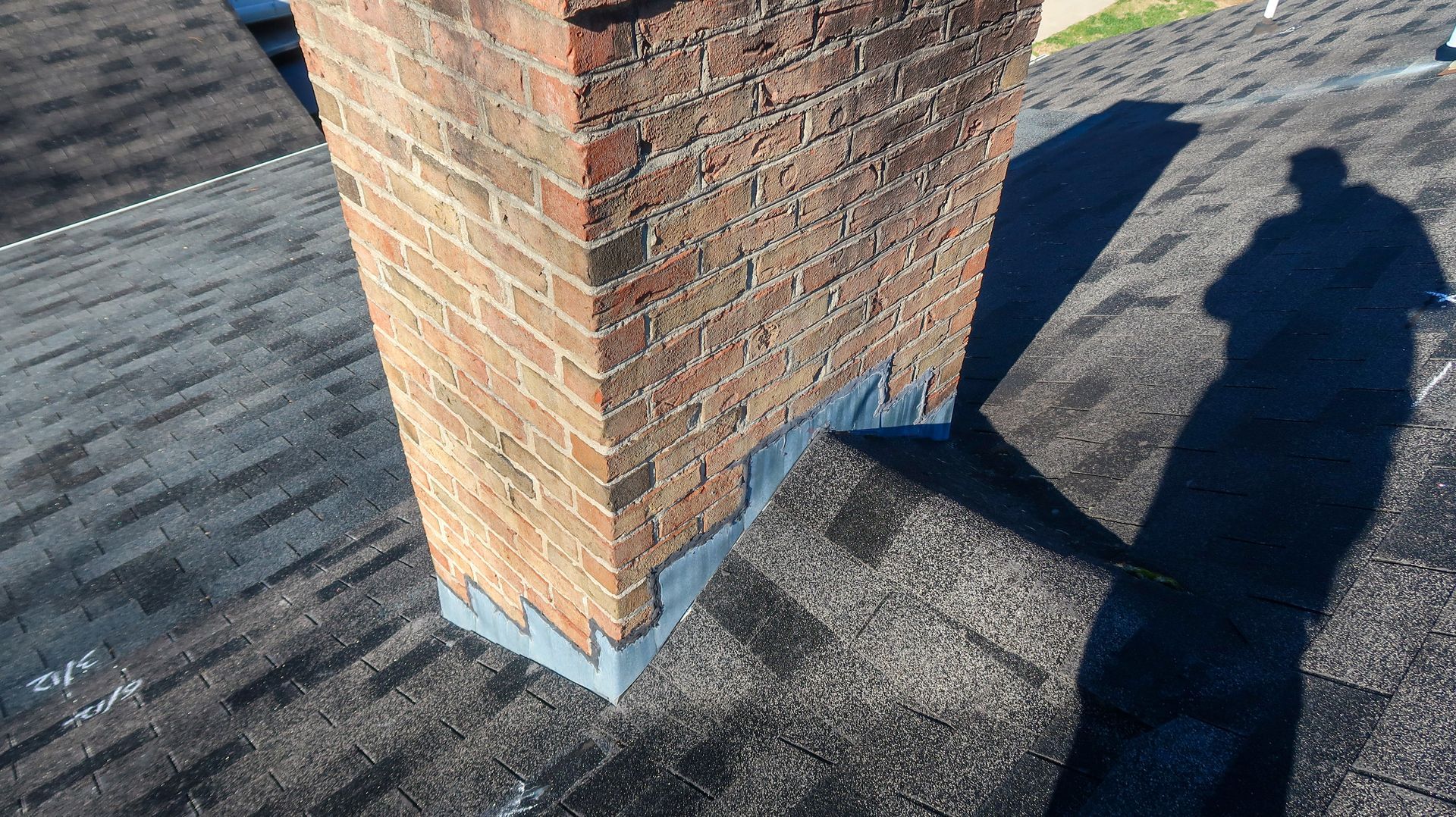
Wind can loosen counterflashing, step flashing, sealant joints, and chimney details that begin leaking during the next hard rain.
Shingle Impacts
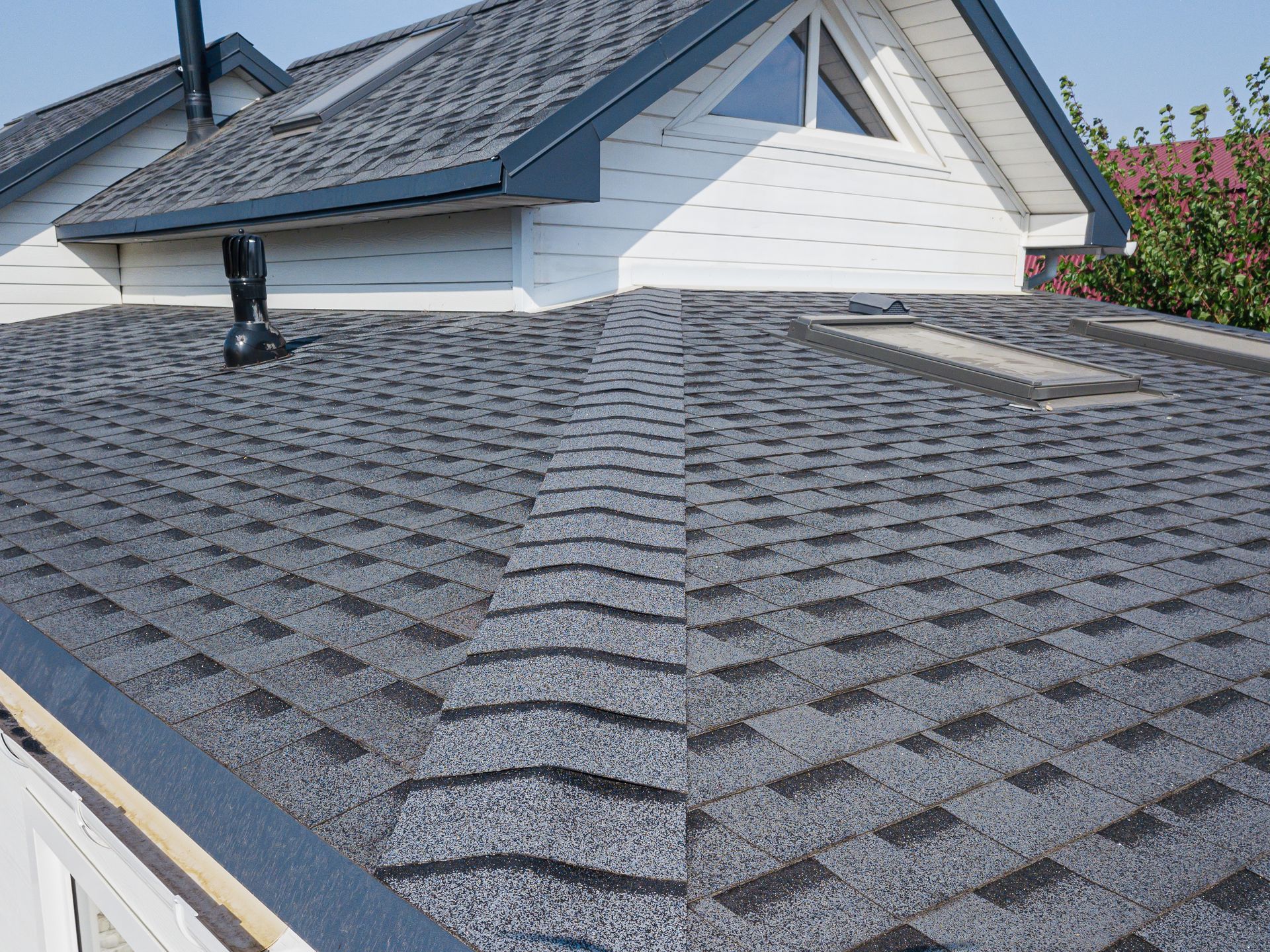
Hail bruises, fractured mats, granule displacement, lifted tabs, and broken corners are evaluated across multiple roof slopes.

Roof Transitions
Additions, dormers, low roofs, walls, and valleys can concentrate wind-driven rain even when the main roof field appears serviceable.
Gutter Evidence
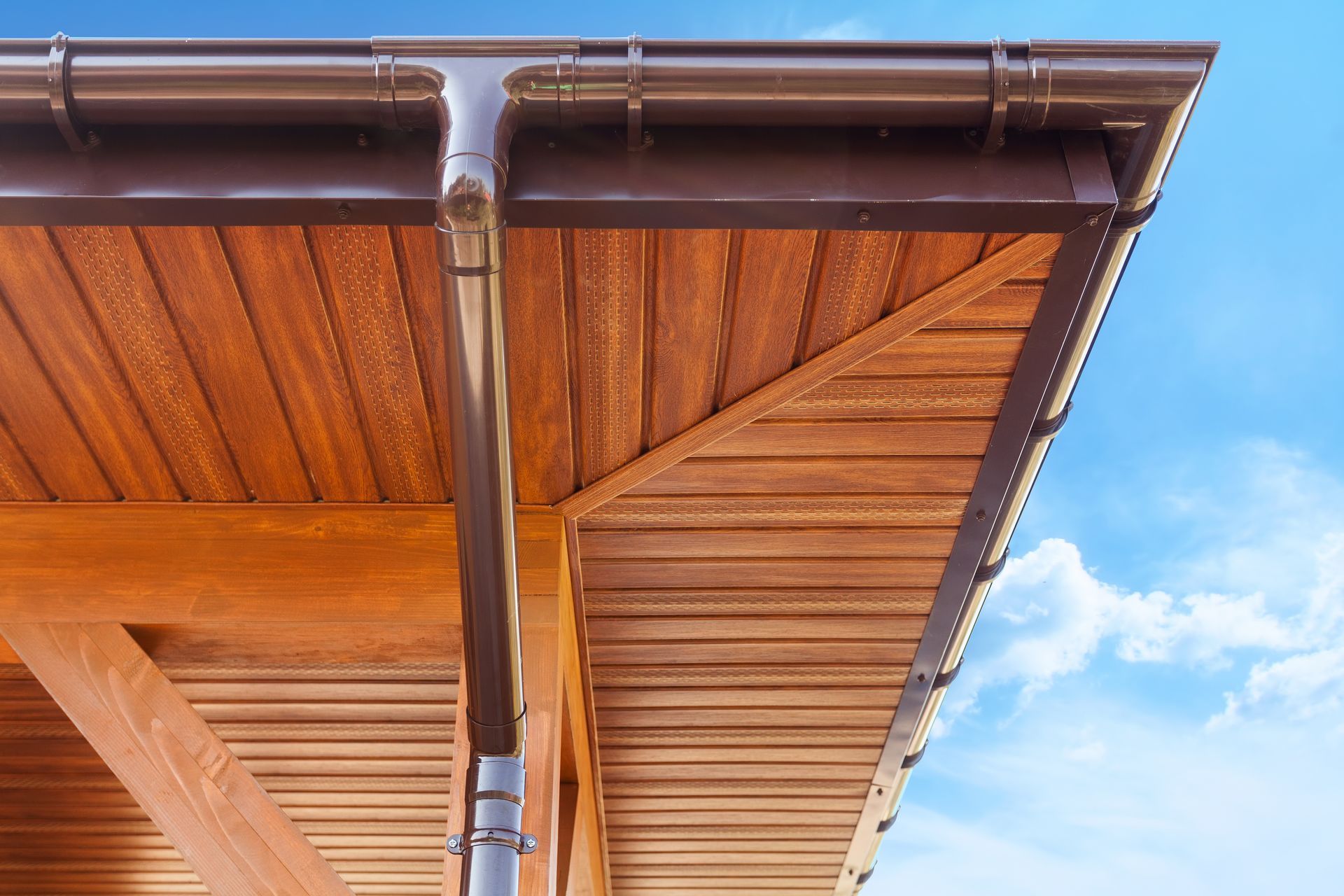
Dents, displaced sections, overflow paths, and damaged downspouts can confirm storm direction and reveal where drainage stopped working.
How C&D Moves From Emergency Protection To Repair
The process is organized so urgent water control happens first, documentation happens before evidence is lost, and permanent work is based on the full exterior condition rather than a rushed driveway estimate.
Secure The Opening
Active leaks, missing materials, and exposed roof areas are identified so temporary protection can be placed where it is actually needed.
Inspect Every Elevation
The roof, siding, gutters, windows, masonry, attic clues, and ground-level debris are checked for a connected storm pattern.
Document The Findings
C&D organizes photos and observations by roof slope, exterior elevation, component, and urgency so the damage is easy to understand.
Set The Repair Scope
Repair, replacement, and exterior restoration needs are explained, including factors that may change after materials are removed.
Complete And Review
Approved work is completed, cleanup is checked, and the owner receives a walkthrough of repaired areas and remaining maintenance items.
Kansas City Restoration Requires Care Around Tight Lots And Mature Trees
Storm work often begins while branches, loose materials, wet landscaping, and temporary coverings are still present. Many Kansas City properties also have narrow drives, close fences, finished patios, detached garages, and neighboring homes near the work zone, so access and debris control need to be planned before tear-off or repair begins.
- Confirm safe access around downed limbs, wet slopes, power-service locations, fences, and neighboring property lines.
- Protect windows, siding, patios, decks, landscaping, air-conditioning equipment, and vehicles below the damaged roof edge.
- Stage roofing and exterior materials so emergency access, garages, sidewalks, and shared drives remain usable whenever possible.
- Collect storm debris and construction waste throughout the project instead of allowing nails and sharp material to spread across the site.
- Finish with magnetic sweeps, drainage checks, repaired-area review, and a clear list of any conditions that were outside the approved scope.
Storm Damage Inspections Across Kansas City And The Metro
C&D serves Kansas City properties near Red Bridge Road, Ward Parkway, Brookside, Waldo, the Northland, US-71, I-435, and surrounding metro neighborhoods. Roof age, tree cover, building height, and exposure can change sharply from one block to the next, so the inspection is based on the individual property.
The Kansas City office provides a practical base for storm response on both sides of the metro. Homeowners, property owners, and facility managers can request roof and exterior inspections, emergency tarping, damage documentation, and coordinated restoration planning.
Review Roofing And Exterior Options Before Work Begins
Storm damage may require a small roof repair, a full roof replacement, or coordinated work across gutters, siding, windows, and other exterior components. Use these service pages to understand the possible scopes, then schedule an inspection so the recommendation is tied to the actual Kansas City property rather than a generic storm checklist.
Roofing Pages
Exterior Pages
Answers For Kansas City Property Owners After Hail Or Wind
These questions cover emergency steps, hidden hail damage, wind lift, insurance documentation, repair decisions, exterior impacts, timing, cost factors, and commercial-property concerns after a Kansas City storm.
What should I do first after storm damage in Kansas City?
Check the property from the ground, keep people away from fallen limbs or loose materials, move belongings away from active leaks, and request emergency protection when the roof has an opening. Avoid climbing onto a wet or damaged roof.
Does C&D provide emergency tarping?
Yes. C&D provides 24/7 emergency tarping for storm-related openings and active water entry. Temporary protection is meant to reduce additional damage until permanent repairs can be safely scoped and completed.
Can hail damage a roof without causing an immediate leak?
Yes. Hail can fracture the shingle mat, displace protective granules, damage vents, or weaken seals before water becomes visible indoors. An inspection looks for functional damage across several slopes and related exterior surfaces.
What wind damage can I see from the ground?
Missing shingles, lifted ridge pieces, loose flashing, material in the yard, bent gutters, torn siding, and exposed underlayment may be visible. Other wind damage requires a closer roof and attic inspection.
Do I have to file an insurance claim after a storm inspection?
No. The property owner decides whether to contact the carrier. C&D can document observed damage and explain the construction scope, but the insurance company determines coverage under the policy.
How do you decide between roof repair and replacement?
The decision depends on the number and location of damaged areas, material condition, roof age, previous repairs, matching availability, decking concerns, and whether a repair can restore a reliable water-shedding system.
Will you inspect siding, gutters, and windows too?
Yes. C&D is a full-service exterior contractor and can review siding, gutters, windows, masonry, fascia, and soffits when the storm pattern extends beyond the roof.
When should a Kansas City storm inspection be scheduled?
Schedule once the property can be accessed safely, especially when there is active water entry, missing material, fallen debris, or visible exterior damage. Waiting can allow the next rain to expand a small opening.
What affects storm restoration cost?
Major factors include roof size and slope, access, material type, number of damaged elevations, emergency work, decking repairs, flashing, gutters, siding, windows, masonry, debris removal, and the final approved scope.
Can C&D inspect commercial or managed properties?
Yes. Facility managers and property owners can request roof and exterior inspections, emergency stabilization, documentation, and repair planning for commercial or managed properties within the service area.
Need Storm Damage Help In Kansas City, MO?
Call C&D General Contractors when hail, wind, falling debris, or wind-driven rain has affected a Kansas City property. The inspection will identify urgent water-control needs, document roofing and exterior damage, and explain the practical path from temporary protection to permanent repair.