
Attic Insulation O’Fallon, MO
Rooms that feel noticeably hotter in summer or colder in winter can point to weak insulation above the ceiling. C&D General Contractors reviews the attic instead of guessing from the living space, looking at existing coverage, low spots, compressed material, access openings, and visible areas where outside conditions may be affecting indoor comfort.
O’Fallon homes see hot summer afternoons, cold winter stretches, wind, and seasonal storms. Those swings can make an under-insulated attic easier to notice, especially in upper rooms or additions. C&D checks how insulation is distributed and whether roof leaks or disturbed attic areas need attention before new material is considered.

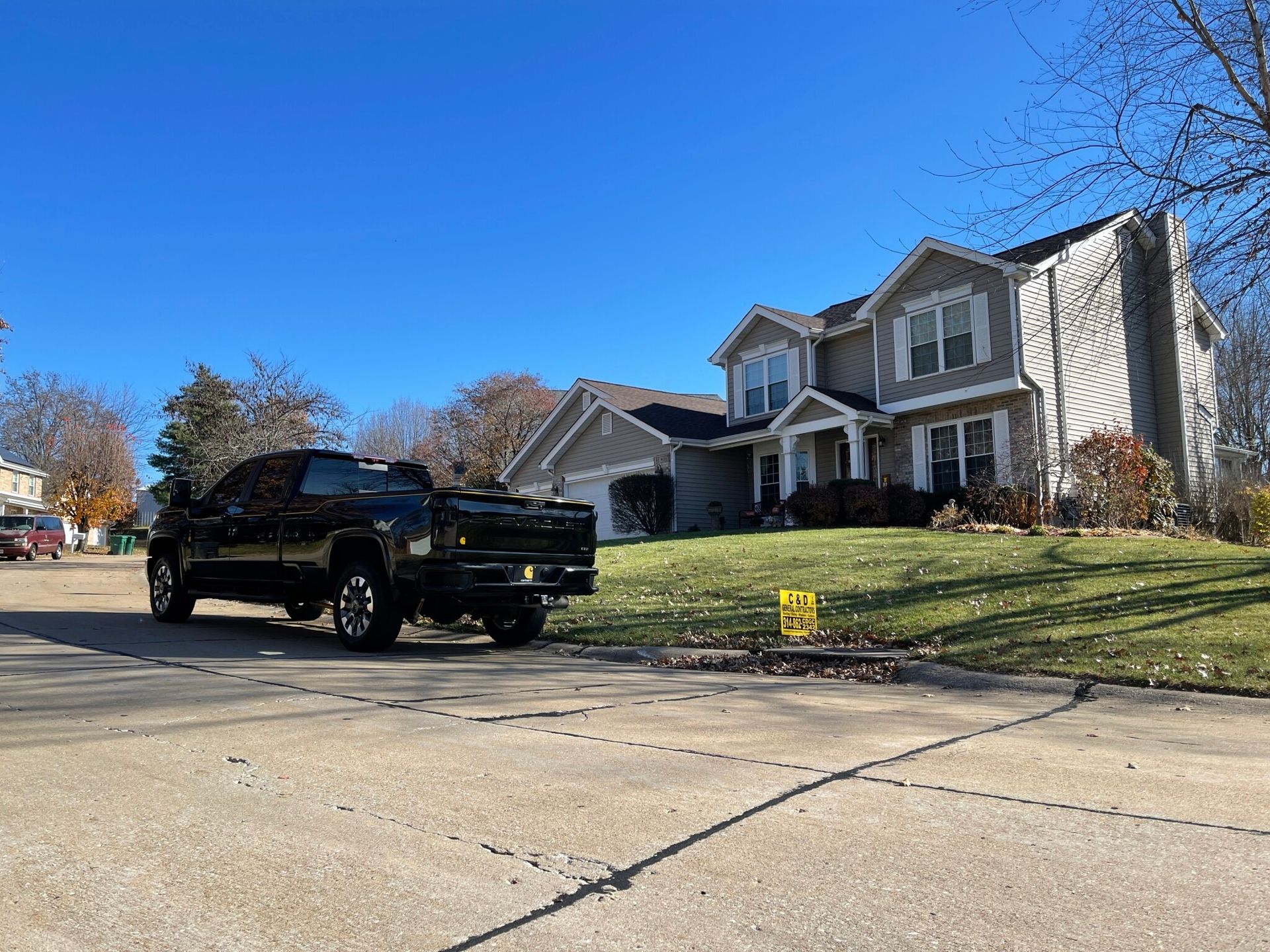
What Attic Insulation Should Improve
Attic insulation helps slow heat movement between conditioned rooms and the attic above. The goal is not simply to pile more material into one spot. Coverage should be reasonably consistent across the ceiling area, with attention to low sections, disturbed material, attic openings, and places where insulation has been pushed aside for past work.
C&D starts with the condition that is already there. If insulation is thin in several areas, compressed around stored items, missing near an addition, or damp below a roof problem, those conditions are separated so the right issue is handled first. That makes the recommendation easier to understand and avoids covering up an attic concern that still needs attention.
Attic Work Makes More Sense When The Roof Above It Is Part Of The Review
Insulation sits directly below a part of the house that C&D already works on every day. A roof leak, damaged vent area, or wet section can change what should happen in the attic. C&D can look at the insulation and the exterior conditions above it so the recommendation is based on the whole problem, not one symptom.
Comfort Problems Often Start With Coverage That Is Thin, Uneven, Or Disturbed
The attic can look insulated at first glance while still having weak areas. C&D looks for changes in depth, exposed ceiling sections, compressed material, and problem spots around access points or previous work.
Thin Or Bare Areas
Low coverage can leave parts of the ceiling with less thermal protection than neighboring rooms, especially where insulation has settled or was never placed evenly.
Compressed Or Moved Insulation
Stored items, foot traffic, repairs, or past attic work can flatten or push insulation aside, reducing coverage where it was disturbed.
Inspect What Is There Before Adding More
Adding insulation is most useful when the existing attic has been checked for coverage, moisture, access limits, and obvious roof-related concerns. C&D reviews those conditions first so new material is not placed over a problem that should be addressed separately.
Attic Hatches And Openings
Access panels and other ceiling openings can create weak spots when surrounding insulation is missing, shifted, or difficult to keep in place.
Eaves And Roof-Related Moisture
Insulation near roof edges should be reviewed with the attic conditions around it, especially when staining, dampness, or prior leakage is visible.
Uneven Room Temperatures Can Be A Reason To Check The Space Above
Insulation problems do not always show up as a visible defect from inside the house. A room that is harder to keep comfortable, a ceiling area that changes temperature quickly, or an attic with obvious low spots can all justify a closer look.
- Compare upper rooms and additions with the rest of the home. Notice whether certain spaces consistently feel warmer in summer or colder in winter.
- Look at the attic only from a safe access point and note visible bare sections, noticeably thin coverage, compressed material, or insulation that has been moved aside.
- Watch for staining, damp insulation, or discoloration near the roof deck or around penetrations, since a moisture source should be addressed before it is covered.
- Do not step between attic framing members or onto areas that are not designed to support weight. C&D can inspect sections that are not safely visible from the access opening.
O’Fallon Attic Insulation Checker
Choose the condition that best matches what you have noticed. The result shows what C&D would look at first during an attic inspection.
Insulation Works Best When Coverage, Openings, And Moisture Conditions Are Checked Together
The visible insulation is only one part of the attic. C&D also looks at the ceiling plane below, access points, eave areas, and visible roof conditions so the insulation recommendation fits the space instead of treating every attic the same.
- Check existing insulation across accessible sections and note where coverage changes sharply from one area to another.
- Review attic hatches, ceiling openings, and areas around penetrations where insulation may be missing or repeatedly disturbed.
- Identify compressed or displaced material that no longer covers the ceiling area the way it was intended to.
- Look for visible moisture, staining, or wet insulation that may point to a roof or exterior issue needing attention first.
- Keep eave and roof-edge conditions in view so added insulation does not hide an existing problem near the perimeter of the attic.
Four Places Where Insulation Coverage Can Change Quickly
A broad attic can have good coverage in one section and weak coverage a few feet away. C&D pays extra attention to locations where access, framing, repairs, or roof geometry can make insulation less consistent.
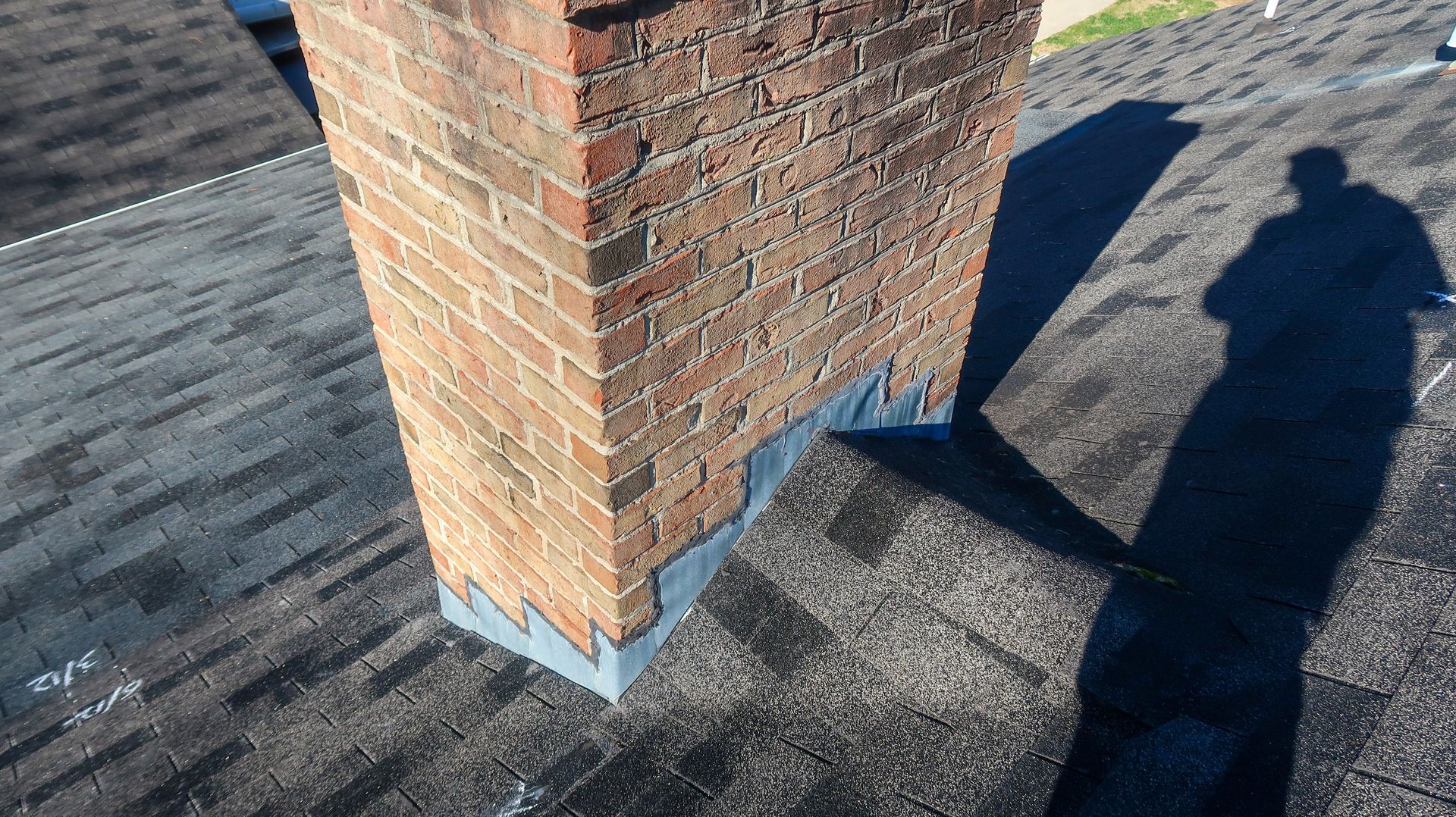
Attic Hatch Perimeter
The access opening is used repeatedly, so insulation around it can be moved, compressed, or left thinner than the surrounding attic floor.
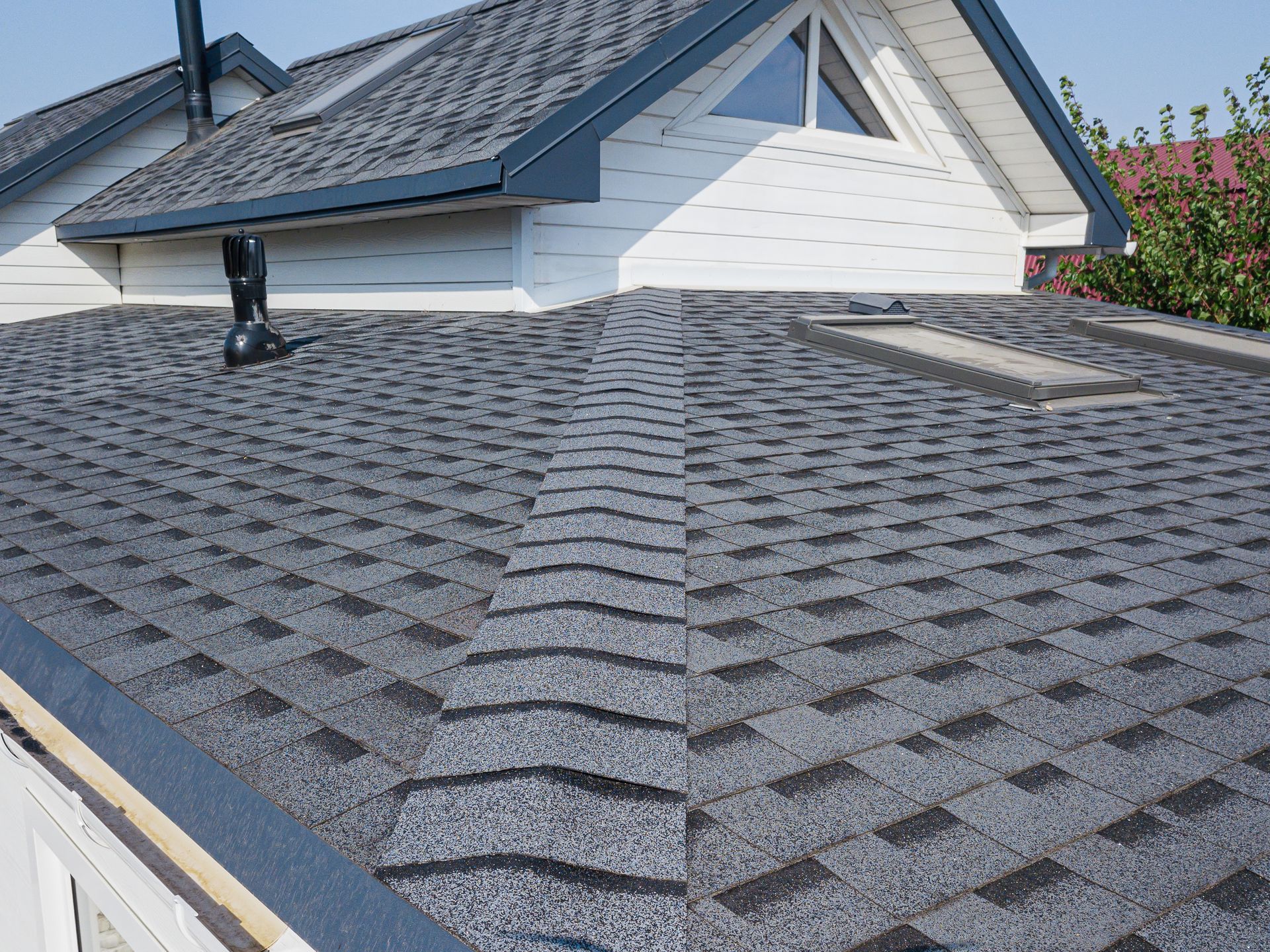
Eaves And Low-Clearance Areas
Low roof clearance can make perimeter coverage harder to see and harder to keep even from one side of the attic to the other.

Penetrations And Past Work
Plumbing, electrical, vent, or remodeling work can leave disturbed insulation around openings that were accessed after the original installation.

Roof Leak And Stain Areas
Wet or stained insulation should be traced to the source above before the attic is treated as a simple coverage problem.
Five Steps From Attic Review To More Consistent Coverage
C&D starts by understanding the existing attic, not by assuming how much material should be added. The process separates coverage problems from moisture or roof concerns, then addresses the areas that need improvement.
Inspect Existing Coverage
C&D reviews accessible attic areas, noting thin sections, bare spots, compression, disturbed material, and visible moisture concerns.
Identify Priority Areas
The inspection separates comfort-related coverage issues from roof leaks, staining, or other conditions that should be handled before insulation work.
Prepare Safe Access
Work areas are organized around the attic opening and interior path so materials can be moved without unnecessary disruption to the home.
Correct Insulation Coverage
Insulation is added or adjusted in the agreed areas so coverage is more consistent across the accessible ceiling plane.
Review The Attic And Cleanup
C&D checks the completed work, confirms the access area is left orderly, and points out any roof or exterior concern that still needs separate attention.
The Work Starts Inside, So Access And Cleanup Matter
Attic insulation usually requires moving materials through an interior access point. That makes floor protection, clear pathways, careful ladder placement, and debris control just as important as the work above the ceiling.
- Set a clear route from the entry to the attic access so tools and insulation materials can be carried without unnecessary contact with furniture or finished surfaces.
- Protect flooring and nearby finishes around the access point where ladders, bags, and loose material may be handled.
- Keep the attic opening controlled during the work so loose fibers or debris are not spread through the surrounding room.
- Avoid placing weight on ceiling areas that are not designed for foot traffic and use safe access paths within the attic.
- Review the work area and interior access point at the end so the homeowner understands what was completed and what separate issues, if any, were observed.
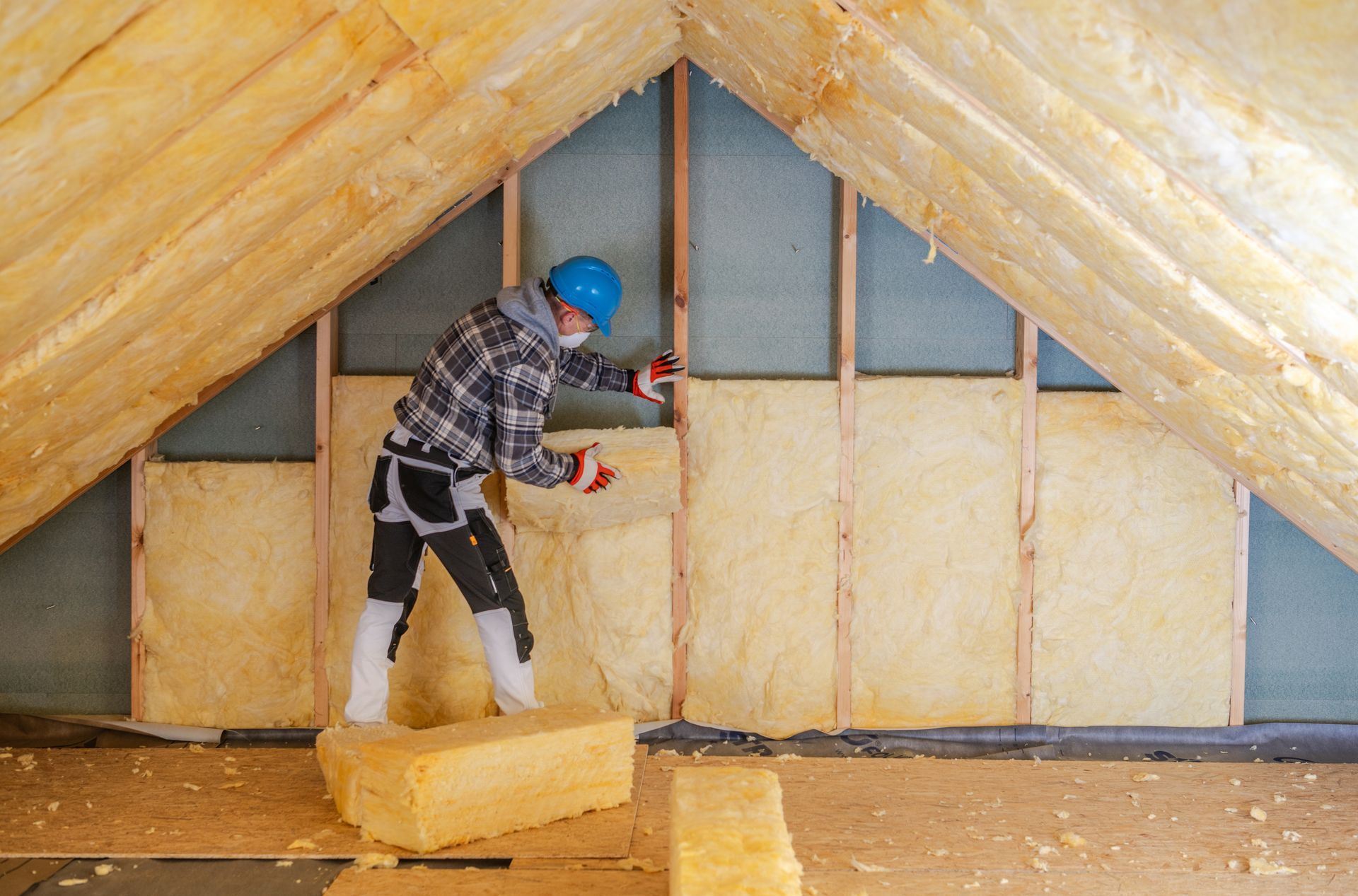
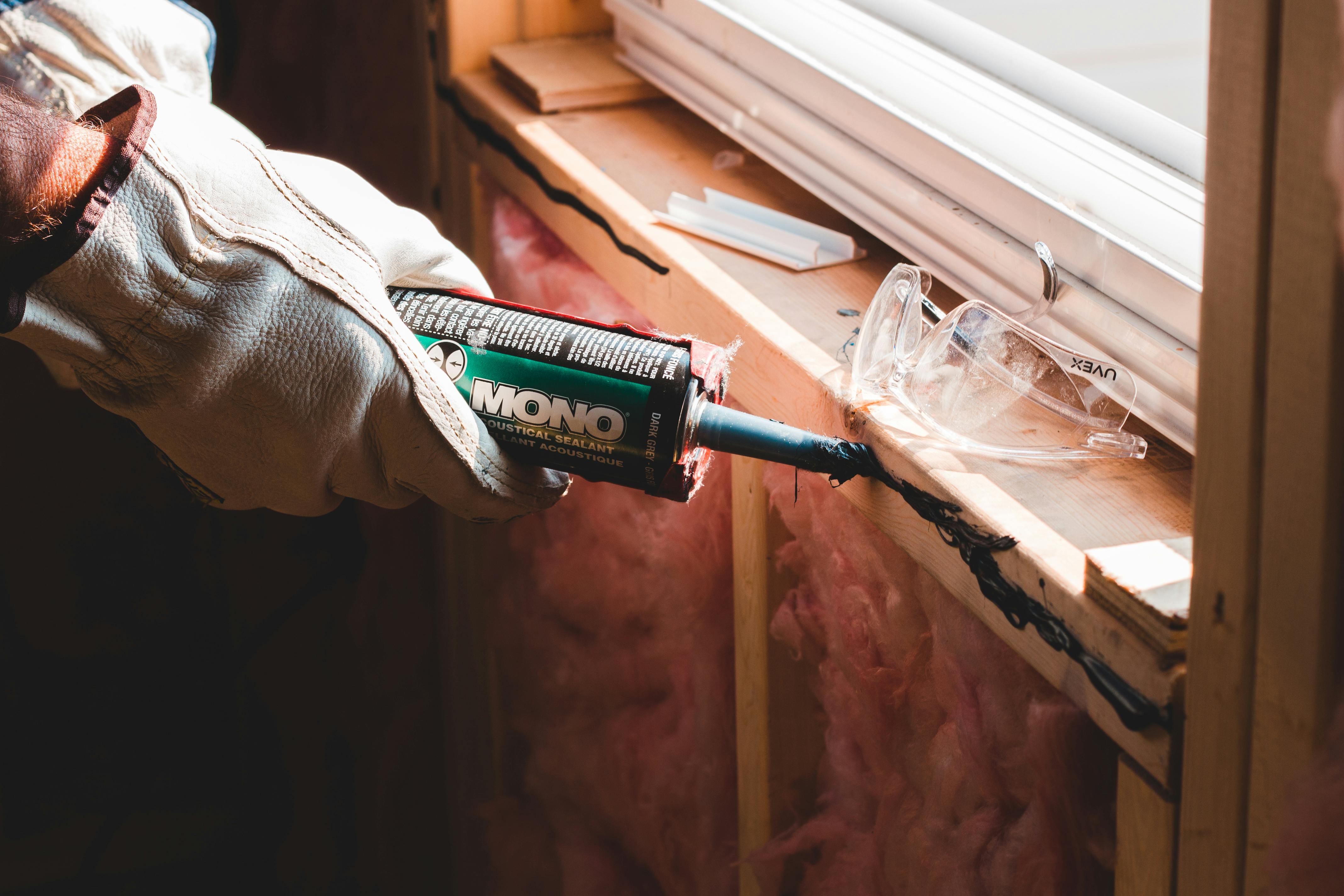
Attic Insulation For Homes Across O’Fallon And Nearby Missouri Communities
C&D provides attic insulation service for O’Fallon homes and properties in surrounding communities. Local houses range from older layouts with additions to newer homes with larger attic areas, and each space can have different access, coverage, and roof conditions.
Missouri weather moves from hot, humid summer stretches to freezing winter periods, with strong storms in between. Those changes can make uneven attic coverage more noticeable over time, especially when a roof leak or prior attic work has disturbed the insulation.
Coordinate Attic Insulation With Roofing And Exterior Repairs When Needed
If the attic inspection reveals a roof leak, gutter problem, exterior opening, or another condition above or beside the insulation, C&D offers related services that can be reviewed as part of the property plan.
Roofing Resources For Attic Concerns
Exterior Services Around The Home
Questions Homeowners Ask Before Adding Or Correcting Attic Insulation
These answers cover uneven temperatures, existing insulation, roof leaks, attic access, compressed material, adding insulation, cost factors, inspections, timing, and how C&D approaches the work.
How can I tell if my attic insulation is too thin?
Visible bare areas, large changes in coverage depth, compressed material, and rooms that are consistently harder to keep comfortable can all justify an attic inspection. C&D checks the attic directly before recommending work.
Can new insulation be added over existing insulation?
Sometimes it can, depending on the condition of the existing material and the attic. Wet, contaminated, heavily disturbed, or otherwise problematic areas should be evaluated before more material is placed over them.
Should a roof leak be fixed before adding attic insulation?
Yes, a known active leak should be addressed first. Adding insulation over a wet area can hide the moisture source and make the attic harder to evaluate later.
Does C&D check attic hatches and access areas?
Yes. Access points are common places for insulation to be moved or left thin, so C&D includes the surrounding area in the inspection.
Can compressed insulation still work properly?
Compression can reduce the amount of insulating material protecting that area. C&D looks at how much material is present and whether it has been flattened or displaced.
Will attic insulation fix every hot or cold room?
Not always. Room comfort can be affected by several parts of a home. C&D can determine whether the attic coverage above the room appears to be one of the visible problems.
What affects the cost of attic insulation work?
Attic size, current coverage, access, low-clearance areas, the amount of material needed, and whether existing moisture or roof problems must be handled separately can all affect the work.
Do I need to empty my attic before an inspection?
Clear access is helpful, especially around the hatch and the areas that need to be reviewed. Stored items that cover large sections can limit how much of the attic is visible.
Can attic insulation be installed during winter?
Attic insulation work can often be completed in different seasons. Access conditions, roof moisture, and the specific work area matter more than the calendar alone.
Why use an exterior contractor for attic insulation?
The attic sits directly below the roof. C&D can review insulation concerns while also recognizing visible roof or exterior problems that may need attention before the attic is closed up.
Thin, Uneven, Or Disturbed Attic Insulation? Schedule An O’Fallon Attic Inspection
Call C&D General Contractors when attic coverage looks thin, rooms feel uneven, or roof-related moisture has affected the space above the ceiling. C&D checks the existing insulation and the conditions around it before recommending the next step.