
Chimney Tuckpointing O’Fallon, MO
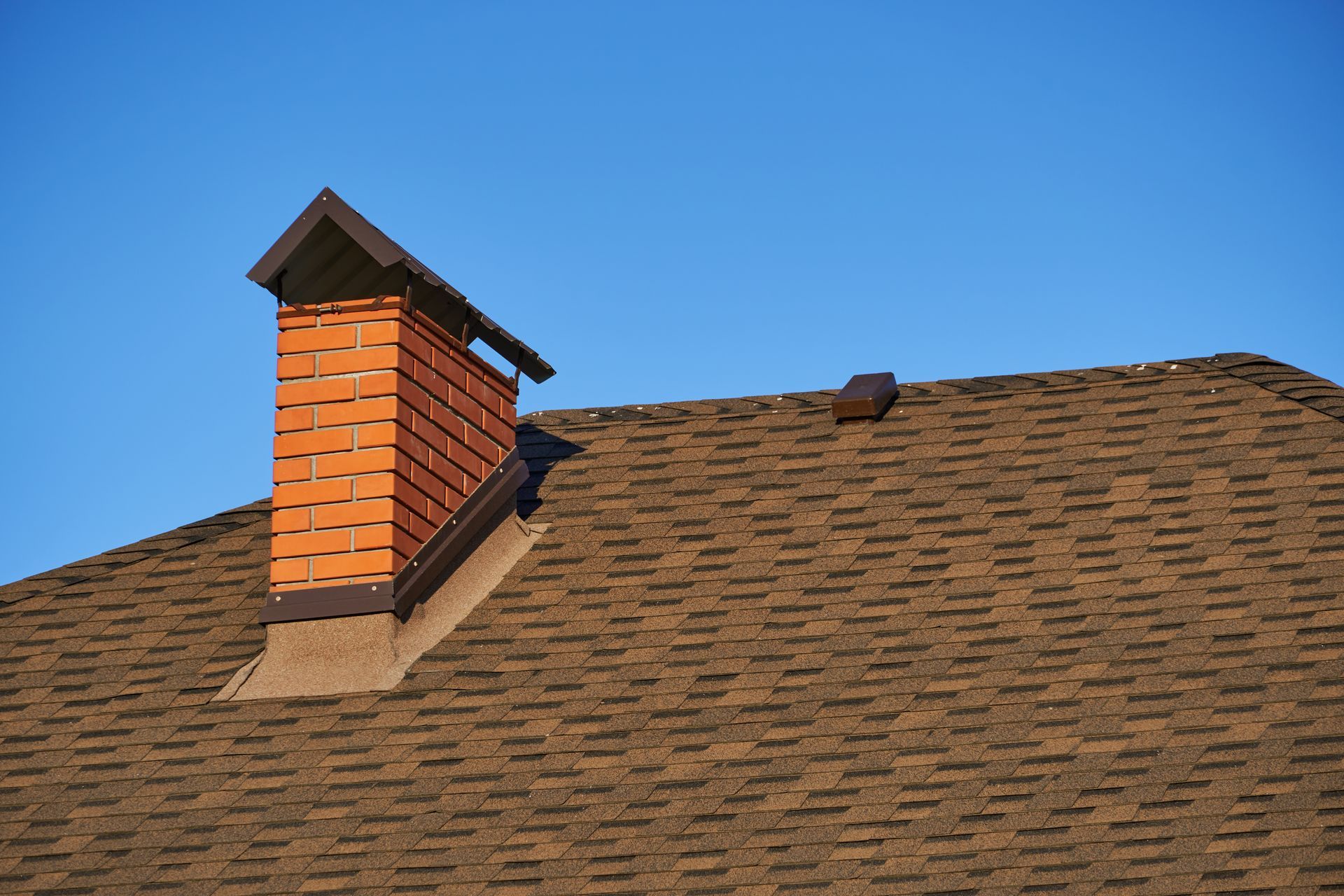
Mortar joints take the weather first. When they crack, wash out, or pull away from the brick, water can settle into small openings and make a chimney harder to maintain. C&D General Contractors inspects the exposed joints, brick faces, corners, chimney shoulders, and the roof connection before deciding where tuckpointing is needed.
O’Fallon chimneys deal with rain, summer heat, freezing temperatures, and repeated moisture changes through the year. Those cycles can wear mortar unevenly, especially on the most exposed sides. C&D follows the actual joint deterioration so sound masonry is left alone and damaged areas receive focused repair.
What Chimney Tuckpointing Is Meant To Repair
Tuckpointing removes deteriorated mortar from joints and replaces it with new mortar where the brickwork still provides a suitable base. The repair is aimed at the joints that have opened or weakened, helping close pathways where rain and melting snow can enter the masonry.
C&D separates joint failure from brick damage and other chimney concerns. If a brick face is broken, a chimney cap area is deteriorated, or the roof connection is allowing water into the same location, that condition needs to be identified rather than hidden behind fresh mortar. The result is a repair plan based on what is actually failing.
Masonry Repair Is Stronger When The Chimney And Roof Are Reviewed As One Exterior Detail
A chimney is not an isolated brick column. It meets the roof, sheds water down multiple faces, and can show damage in mortar, brick, flashing, or nearby roofing at the same time. C&D works across masonry and roofing, so those conditions can be sorted out before repair work starts.
Mortar Can Fail In Small Sections Long Before The Whole Chimney Looks Damaged
The most useful inspection looks at the pattern of deterioration. Horizontal joints, vertical joints, corners, and areas near the top of the chimney may weather differently, so C&D checks where the mortar has actually lost strength or depth.
Cracked Or Separated Mortar
Hairline cracks can widen as moisture moves through the joint. Larger separations may leave an obvious channel between the brick and mortar.
Recessed Or Missing Joints
Mortar that has eroded back from the brick face or fallen out in sections can hold water and leave the masonry edges less protected.
Remove Weak Mortar, Keep Sound Masonry In Place
A good tuckpointing repair starts with a clean, stable joint. C&D identifies the deteriorated mortar, removes failed material to a workable depth, prepares the joint, and replaces the mortar without treating sound brickwork as disposable.
Weathered Brick Faces
Spalling, cracking, or broken brick can change the repair because new mortar cannot correct a brick unit that is already failing.
Chimney And Roof Transitions
Water staining near the roof line may involve both masonry joints and the roofing details where the chimney meets the roof.
Watch For Open Joints, Loose Mortar, And Brick Edges That Stay Wet
Masonry deterioration often starts gradually. Mortar can become sandy, crack along one edge, or recess behind the brick face before large pieces fall away. A ground-level visual check can reveal enough to justify a closer inspection.
- Look for joints that are noticeably deeper than neighboring areas, especially where the mortar has washed out along horizontal courses.
- Check for cracks running through mortar joints, gaps where mortar has separated from brick, or loose pieces collecting on the roof or ground below.
- Notice brick faces that are flaking, chipped, or breaking apart, since damaged brick may need a different repair than mortar joints alone.
- Watch for dark staining, damp-looking masonry, or interior moisture near the chimney after rain, and avoid climbing onto the roof to investigate it yourself.
O’Fallon Chimney Mortar Checker
Choose the condition that looks closest to your chimney. The result shows what C&D would examine first during a tuckpointing inspection.
Mortar Joints, Brick Faces, And Water-Shedding Details All Affect The Repair
Fresh mortar should not be used to hide other problems. C&D checks the masonry surface and the chimney connections around it so tuckpointing is applied where it belongs and separate defects are identified clearly.
- Identify joints with loose, cracked, recessed, or missing mortar and compare them with sound sections on the same chimney.
- Check adjacent brick faces for cracking, spalling, or broken edges that may not be corrected by repointing the mortar alone.
- Review corners and exposed chimney faces where wind-driven rain and temperature changes can concentrate deterioration.
- Look at the upper chimney area for visible masonry wear that may be allowing water to enter from above.
- Inspect the roof-to-chimney connection for signs that roofing or water-shedding details are contributing to moisture around the masonry.
Four Places Where Mortar Deterioration Often Shows Up First
Exposure is rarely equal on every side of a chimney. Sun, rain, shade, roof runoff, and prevailing wind can create very different conditions from one face to another, so C&D checks more than the easiest side to see.

Horizontal Bed Joints
Long horizontal joints can erode in stretches, leaving recessed channels that collect moisture and expose brick edges.
Vertical Head Joints
Short vertical joints may crack or fall out between bricks even when the surrounding horizontal mortar still looks intact.

Corners And Shoulders
Changes in chimney shape and outside corners can concentrate weather exposure and make small joint separations easier to overlook.
Roof-Line Masonry
Mortar near the roof line is checked alongside nearby roofing because water can move between the two areas when either detail is failing.
Five Steps From Mortar Inspection To Finished Joints
Tuckpointing is controlled masonry work. C&D first identifies where the joints have failed, then prepares those areas so replacement mortar can bond to a clean, stable surface before the repaired sections are reviewed.
Inspect Mortar And Brick
C&D marks cracked, recessed, loose, or missing joints and notes brick damage or roof-related moisture that may affect the work.
Set The Repair Boundary
Sound joints are separated from deteriorated sections so removal stays focused on mortar that actually needs replacement.
Remove Failed Mortar
Loose and deteriorated joint material is carefully removed to expose a cleaner, more stable base for the repair.
Place And Shape New Mortar
Prepared joints are filled and finished to restore the masonry joint while keeping the brick faces as clean as practical.
Review Masonry And Cleanup
C&D checks repaired areas, removes work debris, and discusses any brick, roof, or water-related concern that falls outside the tuckpointing itself.
Chimney Repair Happens Above Roofs, Patios, Landscaping, And Walkways
Mortar removal and masonry work can create dust and small debris around the work zone. C&D plans access and containment around the chimney so roofing, windows, landscaping, and ground-level areas below receive appropriate protection.
- Establish safe ladder and roof access without placing unnecessary traffic on landscaping, gutters, or finished exterior surfaces.
- Protect nearby roofing and exterior materials from mortar debris where work is being performed above sloped roof sections.
- Control loose mortar, dust, and small masonry pieces so they are collected rather than scattered across patios, decks, or planting beds.
- Keep work focused on the identified joints and avoid unnecessary disturbance to sound brick or adjacent exterior materials.
- Review the repaired chimney faces and clean the surrounding work area before the project is closed out.
Masonry Joint Repair For O’Fallon Homes And Nearby Communities
C&D provides chimney tuckpointing for O’Fallon property owners and surrounding Missouri communities. Brick chimneys on homes of different ages can show very different joint conditions depending on exposure, past repairs, roof shape, and how water drains around the masonry.
Freeze and thaw cycles are especially hard on mortar that already has small cracks or recessed joints. Rain can enter those openings, then repeated temperature changes can widen the damage. An inspection helps separate routine joint wear from brick or roof conditions that need more than tuckpointing.
Coordinate Masonry Repair With Roofing When The Chimney And Roof Share The Same Water Problem
Some chimney concerns stop at the mortar joints. Others involve the roof surface, flashing, gutters, or exterior areas around the masonry. C&D provides related services that can be reviewed when the damage crosses from one trade into another.
Roofing Services Around Chimneys
Other Exterior Services
Questions Property Owners Ask About Cracked Mortar And Masonry Joints
These answers cover what tuckpointing repairs, mortar cracks, damaged brick, water entry, roof connections, inspection timing, cost factors, partial repairs, weather, and how C&D decides what work is appropriate.
What is chimney tuckpointing?
Tuckpointing removes deteriorated mortar from masonry joints and replaces it with new mortar where the surrounding brick remains suitable for repair. It is focused on the joints, not a coating placed over the chimney face.
How do I know if chimney mortar needs repair?
Cracks, recessed joints, missing sections, loose mortar, sandy material, and gaps between brick and mortar are common reasons to schedule an inspection.
Can tuckpointing fix damaged bricks too?
No. Tuckpointing repairs mortar joints. Bricks that are cracked, spalling, or otherwise failing may need separate masonry repair, which C&D can identify during the inspection.
Can bad mortar joints cause chimney leaks?
Open or deteriorated joints can let water enter the masonry. A leak can also come from the top of the chimney or the roof connection, so C&D checks more than the mortar alone.
Does C&D inspect the roof around the chimney?
Yes. C&D handles roofing as well as masonry, so visible roof-to-chimney conditions can be reviewed when they may be contributing to moisture.
Can only one side of a chimney need tuckpointing?
Yes. Weather exposure can vary by face, and some sections may deteriorate faster than others. C&D bases the repair boundary on the joints that are actually failing.
What affects the cost of chimney tuckpointing?
Chimney height, roof access, the amount and depth of deteriorated mortar, brick condition, joint layout, and whether other masonry or roofing repairs are needed can all affect the work.
Should I wait until mortar falls out completely?
No. Recessed or cracked joints are easier to evaluate before large sections are missing. Early inspection can show whether focused repair is appropriate.
Can tuckpointing be done in cold weather?
Mortar work depends on suitable working and curing conditions. C&D can evaluate the chimney and discuss timing based on the weather and the repair area.
How does C&D decide between tuckpointing and larger masonry repair?
The decision depends on the condition of the mortar and the brick. If the joints are failing but the masonry units remain sound, tuckpointing may be enough. Widespread brick damage may call for a broader repair.
Cracked, Recessed, Or Missing Chimney Mortar? Schedule An O’Fallon Masonry Inspection
Call C&D General Contractors when chimney mortar is cracking, washing out, or pulling away from the brick. C&D checks the joints, brick faces, and nearby roof connection so tuckpointing is used where it fits the actual masonry condition.