
Gutter Installation And Repair O’Fallon, MO
A gutter can look fine from the driveway and still overflow at one corner, pull away from the fascia, leak at a seam, or dump too much water beside the foundation. C&D General Contractors checks the full drainage path from the roof edge through the gutter, outlet, downspout, and discharge point before deciding whether a repair or replacement makes more sense.
O’Fallon properties can see heavy rain, spring storms, falling leaves, winter ice, and rapid weather changes. Those conditions put repeated stress on hangers, seams, outlets, and long gutter runs. C&D looks at where water is actually going so the work addresses the drainage problem instead of only replacing the most visible section.

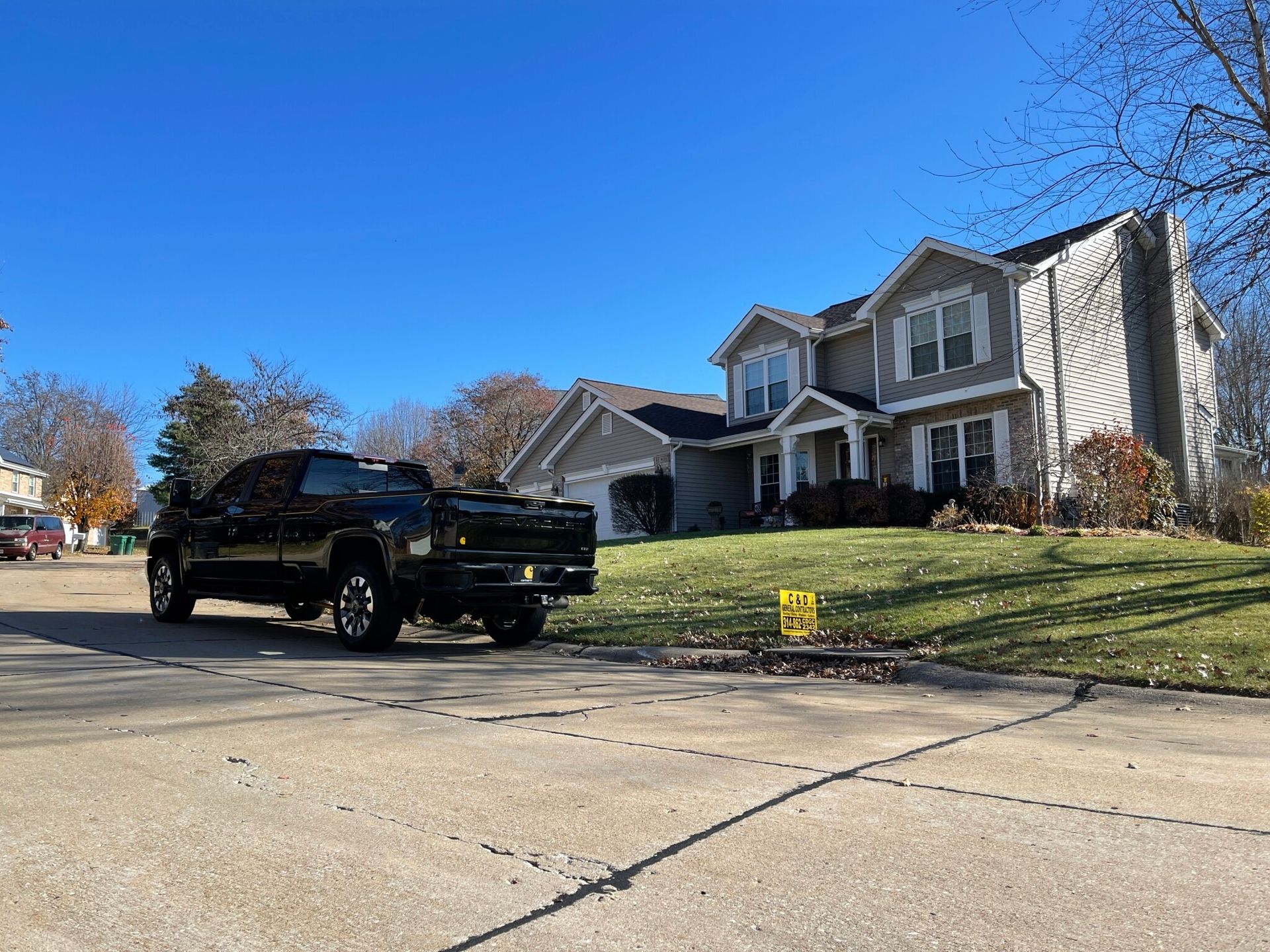
What Gutter Installation And Repair Should Accomplish
Gutters are there to collect roof runoff and move it to controlled discharge points. A repair should restore that path by correcting leaks, loose sections, poor connections, or damaged components. A new installation should fit the roof edge, provide consistent collection, and direct water into downspouts without creating obvious low spots or uncontrolled overflow areas.
C&D also checks the surfaces connected to the gutter. Soft or damaged fascia, roof-edge concerns, siding stains, and washout below a downspout can change the work. Looking at those conditions first helps separate a simple gutter repair from a drainage problem that needs broader exterior attention.
Roof Drainage Works Better When The Roof Edge, Gutters, And Exterior Walls Are Reviewed Together
Gutters sit at the meeting point between the roof and the walls below. A loose gutter can affect fascia. Overflow can stain siding or soak landscaping. A damaged roof edge can create problems above the gutter. C&D handles these related exterior trades, so the drainage route can be evaluated from the roof line to the ground.
Leaks, Sagging, Overflow, And Poor Discharge Usually Leave Clues Around The Property
Gutter problems show up in more places than the metal run itself. C&D looks for staining, erosion, loose fasteners, water marks, disconnected downspouts, and roof-edge conditions that help explain why the drainage is failing.
Leaking Seams Or End Areas
Drips at joints, end caps, or corners can send water down siding and fascia instead of into the downspout.
Sagging Or Pulling Away
Loose hangers or weakened mounting areas can create low spots that hold water and reduce flow toward the outlet.
Follow The Water From The Roof Edge To The Discharge Point
A gutter repair is only useful when the entire drainage path works. C&D checks how runoff enters the gutter, moves through the run, reaches the outlet, travels down the downspout, and leaves the building area.
Overflow During Heavy Rain
Overflow can come from clogs, undersized or poorly placed outlets, low sections, or water arriving faster than the gutter can move it away.
Downspout And Discharge Problems
Disconnected elbows, damaged downspouts, and discharge points that end too close to the structure can keep water concentrated beside the property.
Check What Happens During And After Rain, Not Just How The Gutters Look When Dry
Some drainage problems are easiest to spot during a storm. Others show up afterward as streaking, washed-out soil, water marks, or a section that stays full. Those clues help narrow down whether the problem is a leak, a low spot, an outlet issue, or poor discharge.
- Look for water spilling over the front or back of the gutter during steady rain, especially near corners, valleys, and long roof sections.
- Check for dark streaks on fascia or siding below seams and end areas, which can show where water is escaping the gutter path.
- Notice sections that visibly sag, twist, pull away from the fascia, or hold standing water after the rest of the run has drained.
- Follow downspouts to the ground and look for disconnected pieces, crushed sections, erosion, or discharge that sends water back toward the structure.
O’Fallon Gutter Problem Checker
Choose the drainage problem that best matches what you have seen. The result shows what C&D would inspect first.
Collection, Support, Outlets, Downspouts, And Discharge All Have To Work Together
A gutter is one part of a short drainage chain. If any point in that chain is loose, blocked, poorly aligned, or damaged, roof water can end up on fascia, siding, walkways, or soil beside the building.
- Review the roof edge where runoff enters the gutter and note areas where water may be overshooting or concentrating into one section.
- Check gutter runs for alignment, secure attachment, visible low spots, leaks, and damage that interrupts flow toward the outlets.
- Inspect outlets and upper downspout connections for clogs, separation, or restricted openings that can cause backup and overflow.
- Follow downspouts through elbows and vertical sections to make sure damaged or disconnected pieces are not dumping water against the wall.
- Evaluate the discharge area at ground level so water can leave the building zone instead of collecting beside foundations, walks, or landscaping.
Four Drainage Points Where Small Defects Can Create Large Water Problems
A leak at one corner, a low section near an outlet, or a loose downspout can affect the wall and ground below. C&D checks these transition points because they often explain why a gutter problem keeps returning.
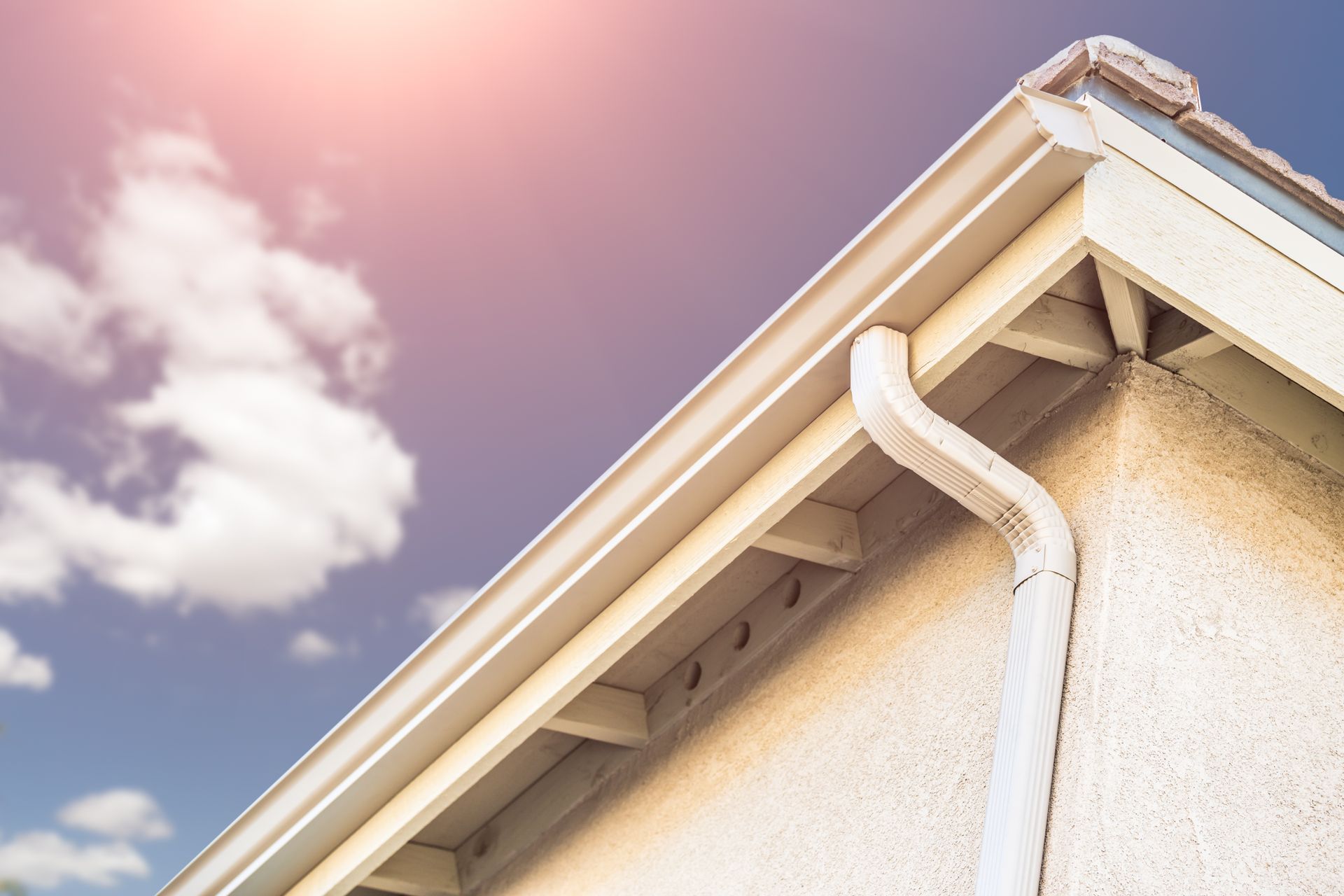
Inside And Outside Corners
Corners handle changing flow direction and can leak at joints or overflow when debris and concentrated runoff collect nearby.
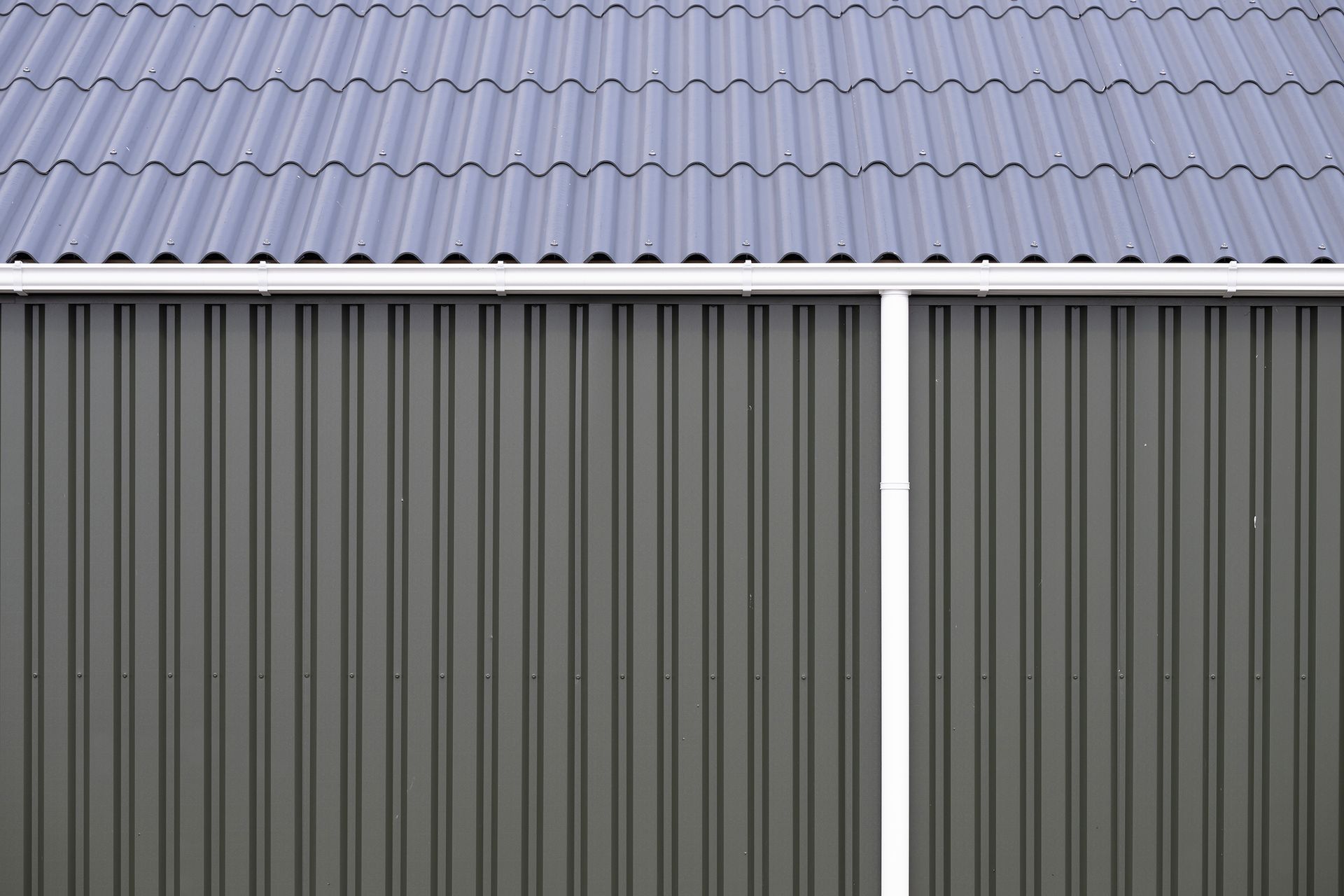
Long Gutter Runs
Long sections need stable support and consistent drainage toward outlets so water does not sit in low areas between hangers.
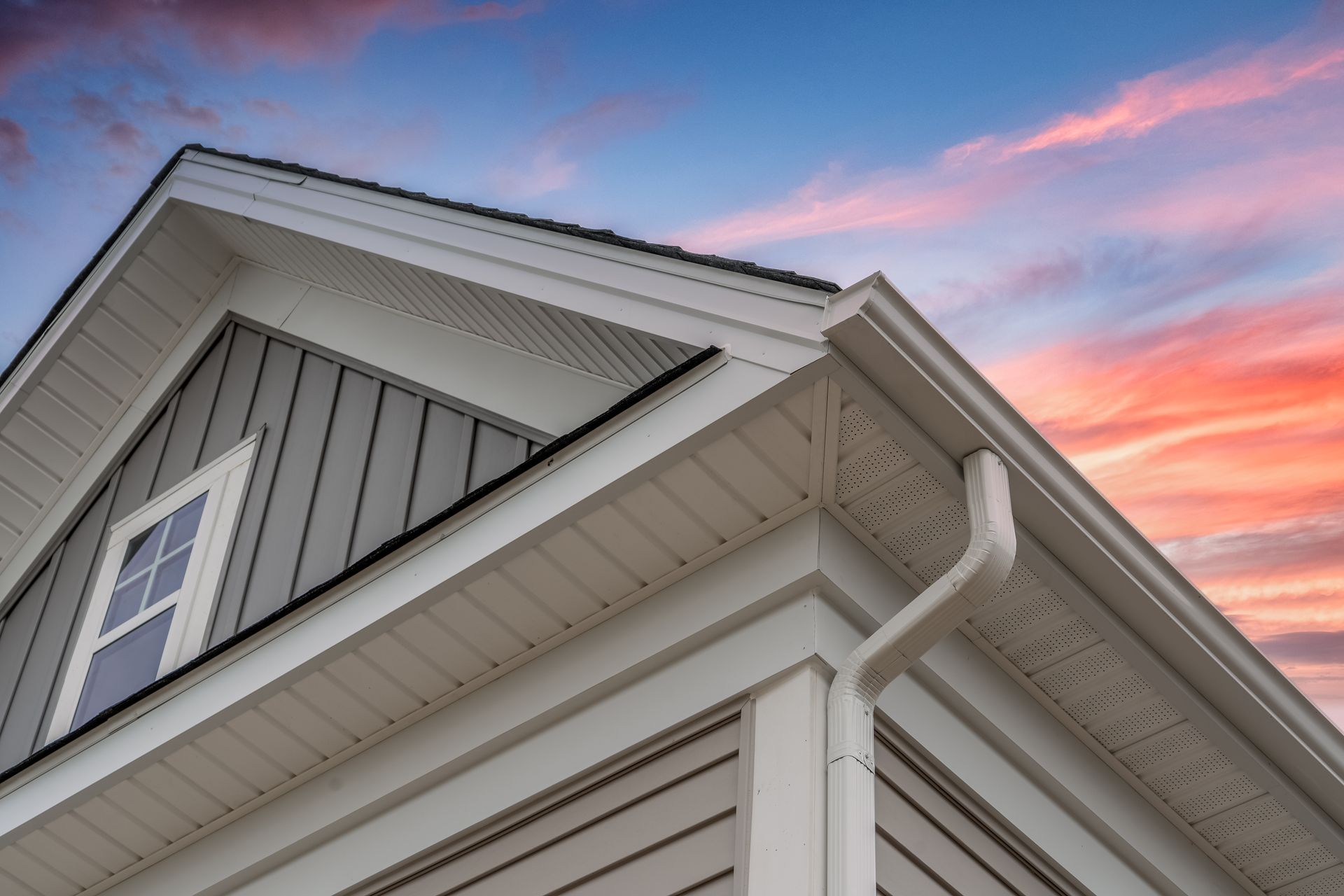
Outlet And Downspout Connections
Loose or restricted connections can back water into the gutter and create overflow near the same location during each storm.
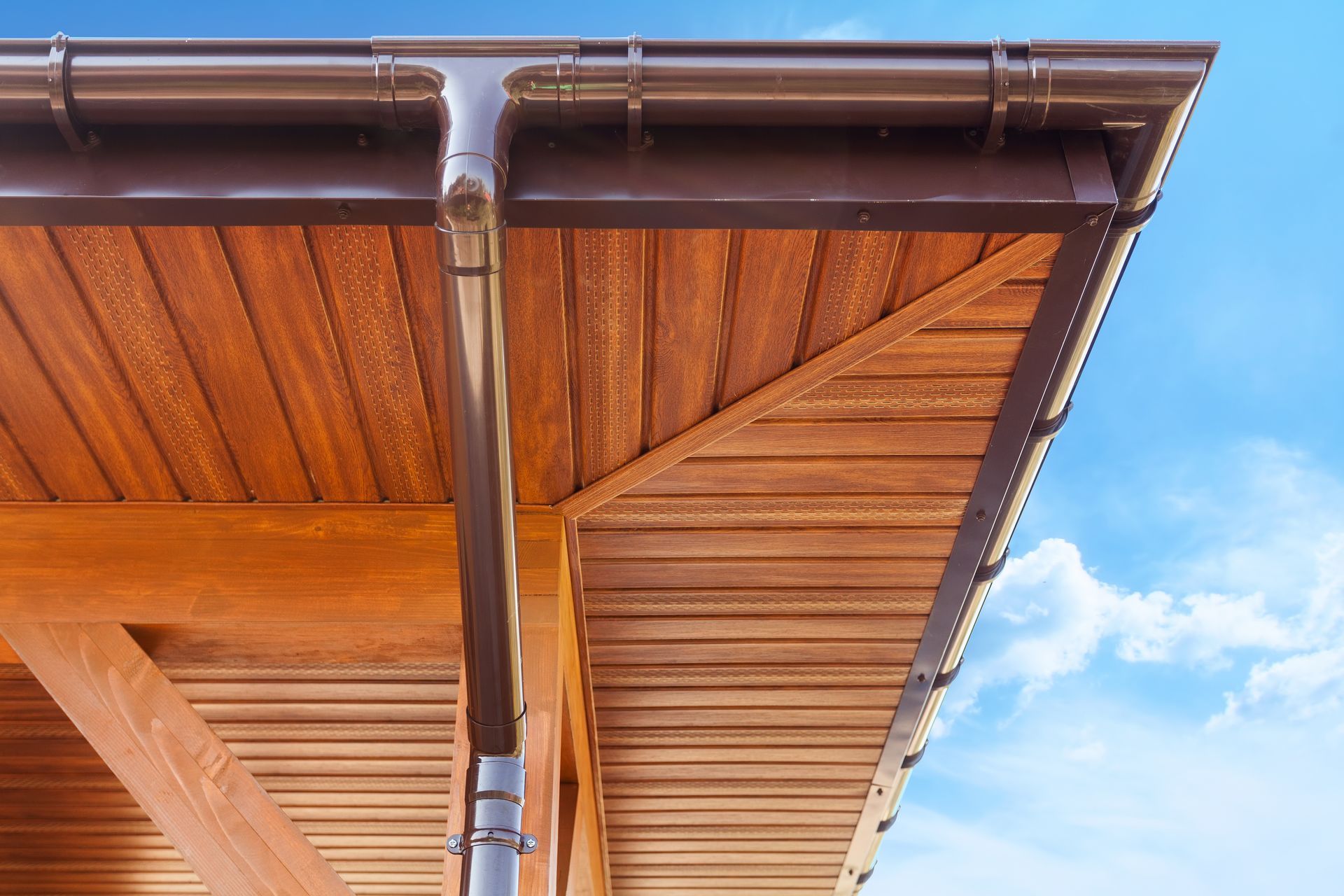
Fascia And Roof Edge
The mounting surface and roof edge are checked for damage or water staining that may affect how a gutter repair or installation should be handled.
Five Steps From Drainage Review To A Better Water Path
C&D looks at what the water is doing before choosing the work. The process starts at the roof edge, identifies the failing gutter or downspout components, corrects the drainage path, and ends with a review of the discharge areas below.
Inspect The Drainage Route
C&D checks gutter runs, seams, hangers, outlets, downspouts, roof edges, fascia, and the ground areas receiving runoff.
Decide What Can Be Repaired
Isolated leaks, loose sections, or damaged components are separated from gutters that are too compromised for a focused repair.
Set Up The Gutter Work
Measurements, access, and replacement components are organized so the agreed repair or installation follows the roof edge correctly.
Repair Or Install Components
Gutter sections, connections, hangers, outlets, and downspout parts are corrected or installed according to the planned drainage route.
Review Flow And Cleanup
C&D checks the completed work, confirms downspout connections and discharge points, and removes debris from the immediate work area.
Gutter Service Takes Place Above Landscaping, Windows, Walkways, And Driveways
Removing or installing long gutter sections requires ladder access and careful handling around the edges of the home. C&D plans the work area so metal sections, tools, and debris are controlled around finished surfaces and ground-level features.
- Set ladders and work zones where crews can reach the roof edge without creating unnecessary damage to planting beds or lawn areas.
- Protect windows, siding, doors, exterior fixtures, and nearby surfaces when gutter sections are being detached or moved overhead.
- Keep screws, hangers, cut metal, sealant debris, and old gutter pieces contained during repair or removal work.
- Coordinate any fascia or roof-edge concern before mounting new gutter components to a surface that may need separate repair.
- Walk the completed perimeter to review gutter runs, downspouts, cleanup, and discharge locations with the property owner.
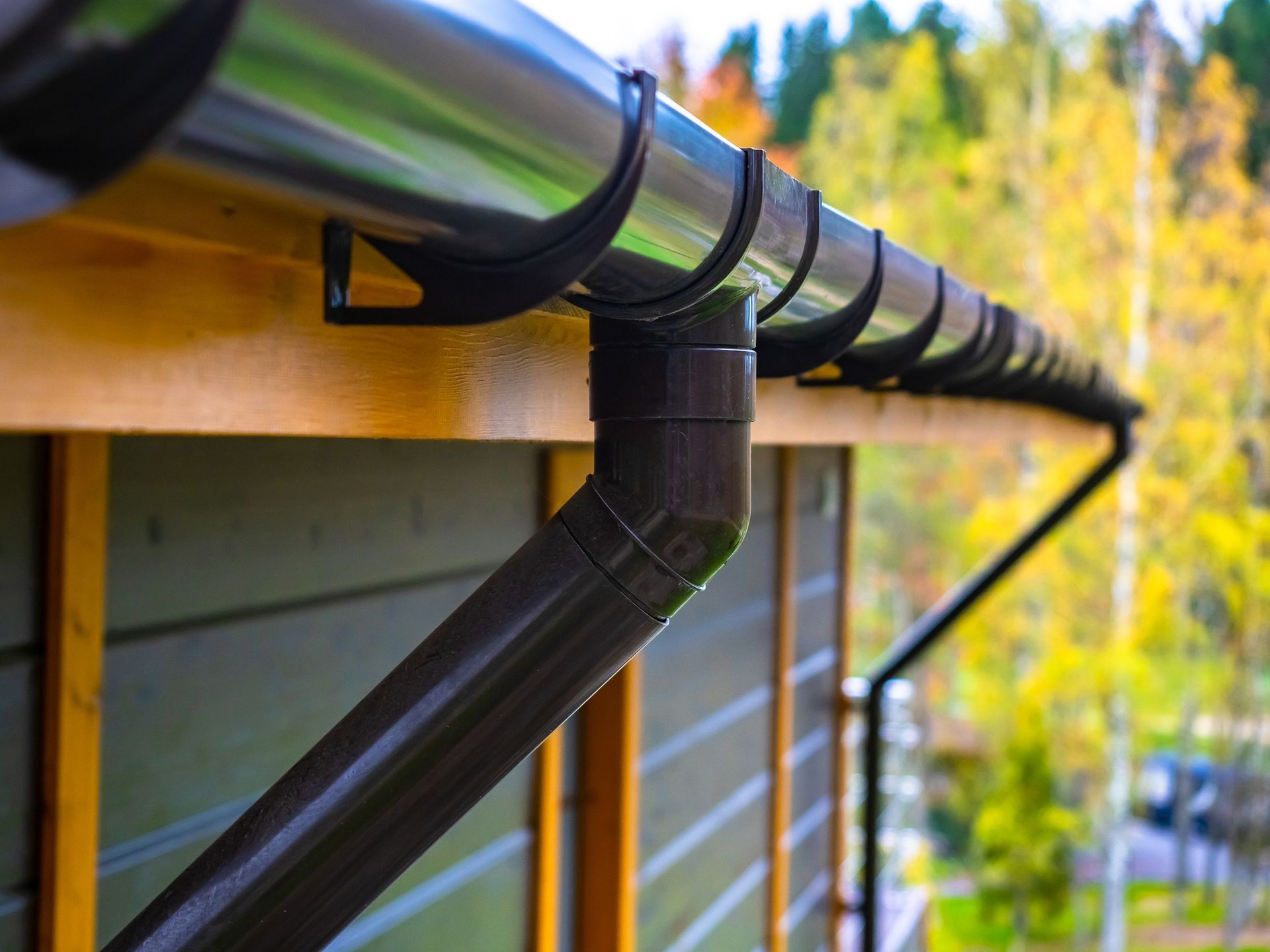
Gutter And Downspout Service Across O’Fallon And Nearby Missouri Communities
C&D provides gutter installation and repair for O’Fallon homes, commercial properties, and nearby communities. Different roof shapes, tree cover, long eaves, porches, and additions can create very different runoff patterns even on properties in the same neighborhood.
Missouri rainstorms can put a lot of water into gutters in a short period, while leaves, winter weather, and seasonal debris can add stress at other times of the year. C&D uses the visible drainage pattern around each property to decide where repair or replacement is actually needed.
Gutter Problems Often Connect To The Roof Edge, Siding, And Other Exterior Surfaces
Overflow and leaks can affect more than the gutter itself. If drainage has damaged fascia, roofing, siding, or other exterior components, C&D can review those connected areas and discuss the related service options.
Roofing Services Connected To Drainage
Exterior Services Around Gutters
Questions Property Owners Ask About Leaks, Sagging, Overflow, And New Gutters
These answers cover repair versus replacement, gutter leaks, standing water, downspouts, fascia, storm damage, cost factors, cleaning, installation timing, and what C&D checks during an inspection.
Can a leaking gutter be repaired?
Often yes, depending on where the leak is and the condition of the surrounding gutter. C&D checks seams, corners, end areas, holes, and attachment points before deciding whether a focused repair is practical.
When should gutters be replaced instead of repaired?
Widespread rust or damage, repeated seam failures, severe sagging, poor layout, or multiple compromised sections can make a new installation more practical than repairing one problem at a time.
Why is water standing in my gutter after rain?
A low spot, poor alignment, a blocked outlet, or sagging support can keep water from moving toward the downspout. C&D checks the run and outlet together.
Can downspout problems cause water near the foundation?
Yes. A disconnected, damaged, clogged, or poorly placed downspout can concentrate roof water beside the structure even when the gutter above is collecting water correctly.
Does C&D check fascia before installing gutters?
Yes. The mounting area is reviewed because damaged or deteriorated fascia can affect how securely a gutter can be attached.
Can C&D help if hail or wind damaged my gutters?
Yes. C&D handles storm-related exterior work and provides insurance claim assistance. Visible gutter damage can be reviewed along with roofing, siding, or other affected areas.
What affects the cost of gutter installation or repair?
Building size, total gutter length, roof height, access, number of corners and downspouts, repair complexity, fascia condition, and the amount of replacement material all affect the work.
Will cleaning fix an overflowing gutter?
Sometimes a clog is the main issue, but overflow can also come from low spots, damaged sections, outlet placement, or a drainage layout that is not moving water efficiently. An inspection can separate those causes.
Can gutter work be done in winter?
Some repairs and installations can be completed in colder months when conditions are safe and suitable. Ice, snow, and unsafe roof-edge conditions may affect scheduling.
What does C&D inspect before recommending new gutters?
C&D looks at roof-edge runoff, existing gutter condition, support, outlets, downspouts, fascia, visible water marks, and where the water is discharged at ground level.
Leaking, Sagging, Or Overflowing Gutters? Schedule An O’Fallon Gutter Inspection
Call C&D General Contractors when gutters leak, pull away, overflow, or send water to the wrong place. C&D follows runoff from the roof edge through the downspouts so repair or replacement addresses the full drainage path.