
Roof Insurance Claims O’Fallon, MO
After hail, wind, or falling debris, the first question is often whether the roof has enough damage to justify an insurance claim. C&D General Contractors starts with the property, not the paperwork. The roof surface, penetrations, edges, gutters, siding, and other storm-facing areas are inspected so the owner has a clearer picture of what was actually affected.
O’Fallon storms can leave obvious damage in one area and much less visible damage in another. C&D documents observed conditions and helps property owners understand the contractor side of the repair process. Coverage decisions remain with the insurance carrier, but the physical damage and proposed repairs can be explained clearly.
What A Roof Insurance Claim Inspection Should Clarify
A contractor inspection should identify what is visibly damaged, where it is located, and whether the condition appears isolated or spread across several exterior components. That gives the owner useful information before repairs begin and helps separate storm-related damage from unrelated maintenance concerns.
C&D can inspect and document the property, provide repair information, and assist with claim-related communication about the work. The insurance company determines policy coverage, deductibles, and claim payment. C&D does not promise an approval, but it can make the observed damage and contractor recommendations easier to understand.
One Contractor Can Review The Roof And The Other Exterior Areas Hit By The Same Storm
Hail and wind do not stop at the roof edge. Gutters can dent or pull loose, siding can crack, windows can be affected, and masonry or trim can show impact. C&D works across these exterior trades, which helps property owners organize a storm inspection without treating every damaged area as a separate project.
The Inspection Should Connect Roof Damage With The Rest Of The Exterior
A useful claim inspection records the pattern of damage instead of focusing on one shingle or one dent. C&D compares roof areas and related exterior surfaces to understand how the storm affected the property.
Roof Surface Damage
Missing, lifted, cracked, punctured, or impact-marked roofing is checked across different slopes and exposures where the storm may have hit unevenly.
Penetrations And Roof Details
Vents, pipe areas, chimney connections, and other roof details are reviewed for impact, movement, or openings that may allow water entry.
Document The Property Before The Repair Story Gets Complicated
C&D records visible storm conditions so the property owner has a practical reference for conversations with the insurance carrier and for repair planning. The goal is to explain what was observed, not to predict how a policy will respond.
Gutters, Siding, And Windows
Related exterior surfaces are checked when hail or wind may have affected more than the roofing material.
Interior Leak Evidence
Visible ceiling or attic staining can help locate active water entry, but the exterior source still needs to be traced before repair work is defined.
Storm Damage Can Be Obvious, Subtle, Or Hidden Behind A New Leak
You do not need to diagnose the roof from the ground. A missing section, sudden leak, scattered debris, dented gutters, or visible impact marks can all be enough reason to schedule a professional inspection after a significant storm.
- Look from the ground for missing or displaced roofing, damaged roof-edge components, fallen branches, or debris that landed on the roof.
- Check gutters, downspouts, siding, window trim, and other exterior surfaces for fresh impact marks or storm-related movement.
- Inside the property, note new ceiling stains, active drips, damp attic areas, or water marks that appeared after the storm.
- Avoid climbing onto a storm-damaged roof. Loose materials, wet surfaces, hidden openings, and unstable debris can make the area unsafe.
O’Fallon Storm Claim Checker
Choose the condition closest to what happened at your property. The result shows what C&D would prioritize during the inspection.
A Storm Inspection Should Show Where Damage Starts And Which Exterior Areas Are Connected
Insurance claims are easier to discuss when the contractor inspection is organized by physical condition. C&D reviews the roof and nearby exterior components, then separates observed damage from areas that appear unaffected.
- Inspect roof surfaces by slope and exposure, noting visible impact, missing material, lifted sections, punctures, and debris damage.
- Review penetrations, roof edges, valleys, chimney areas, and other transitions where storm movement can create a leak path.
- Check gutters, downspouts, siding, windows, and trim for visible storm effects that may be part of the same property event.
- Document interior or attic moisture evidence when it helps connect a leak to a damaged exterior area.
- Identify temporary protection needs and separate urgent weather-entry problems from permanent repair work.
Four Areas That Help Explain The Extent Of Roof And Exterior Damage
A claim discussion is more useful when the property owner can point to specific observed conditions. C&D documents the areas most likely to show how the storm moved across the building and where repairs may be needed.
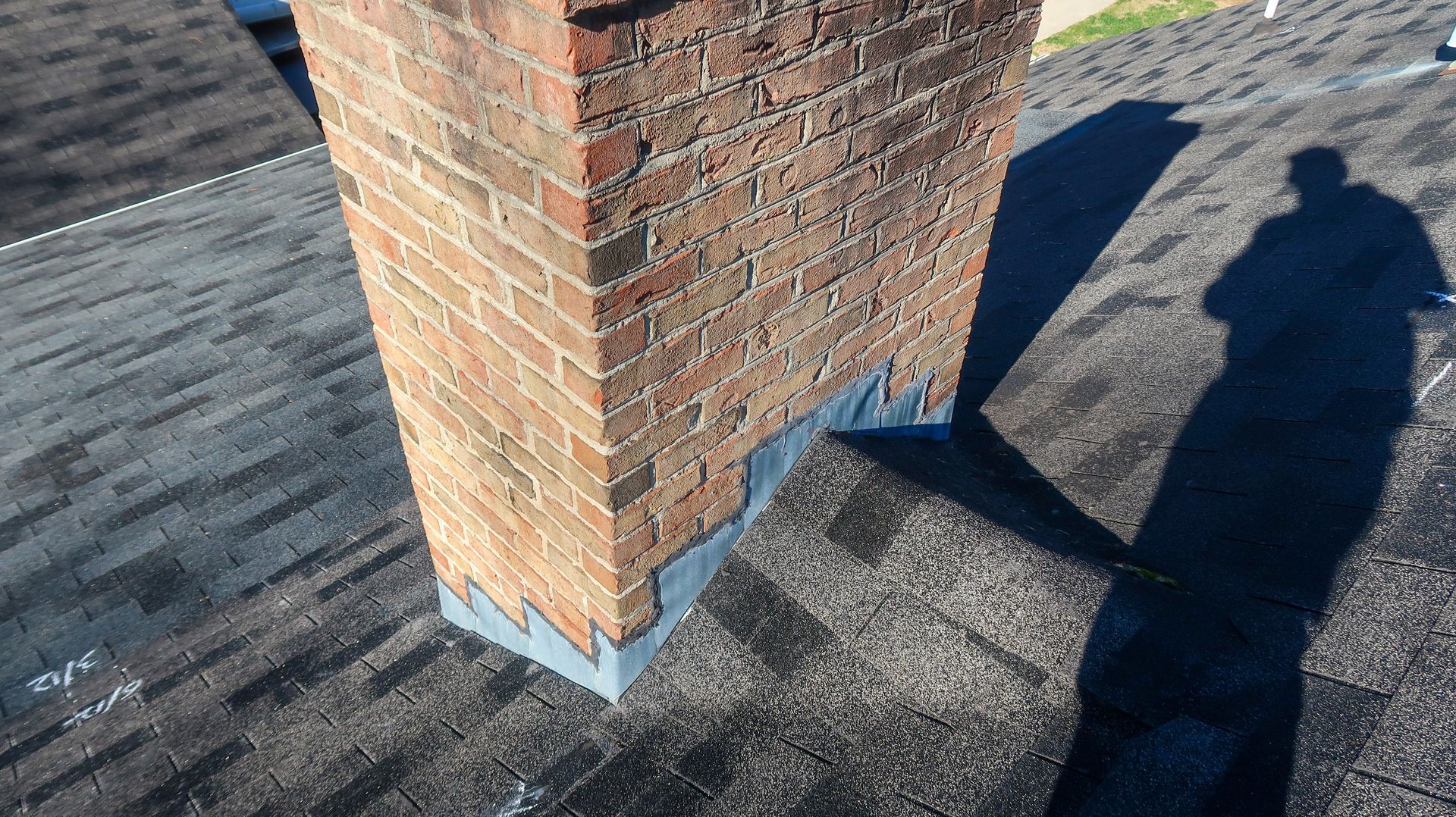
Roof Slopes And Impact Patterns
Different slopes can receive different amounts of wind and hail, so damage is compared across the roof instead of being judged from one small section.
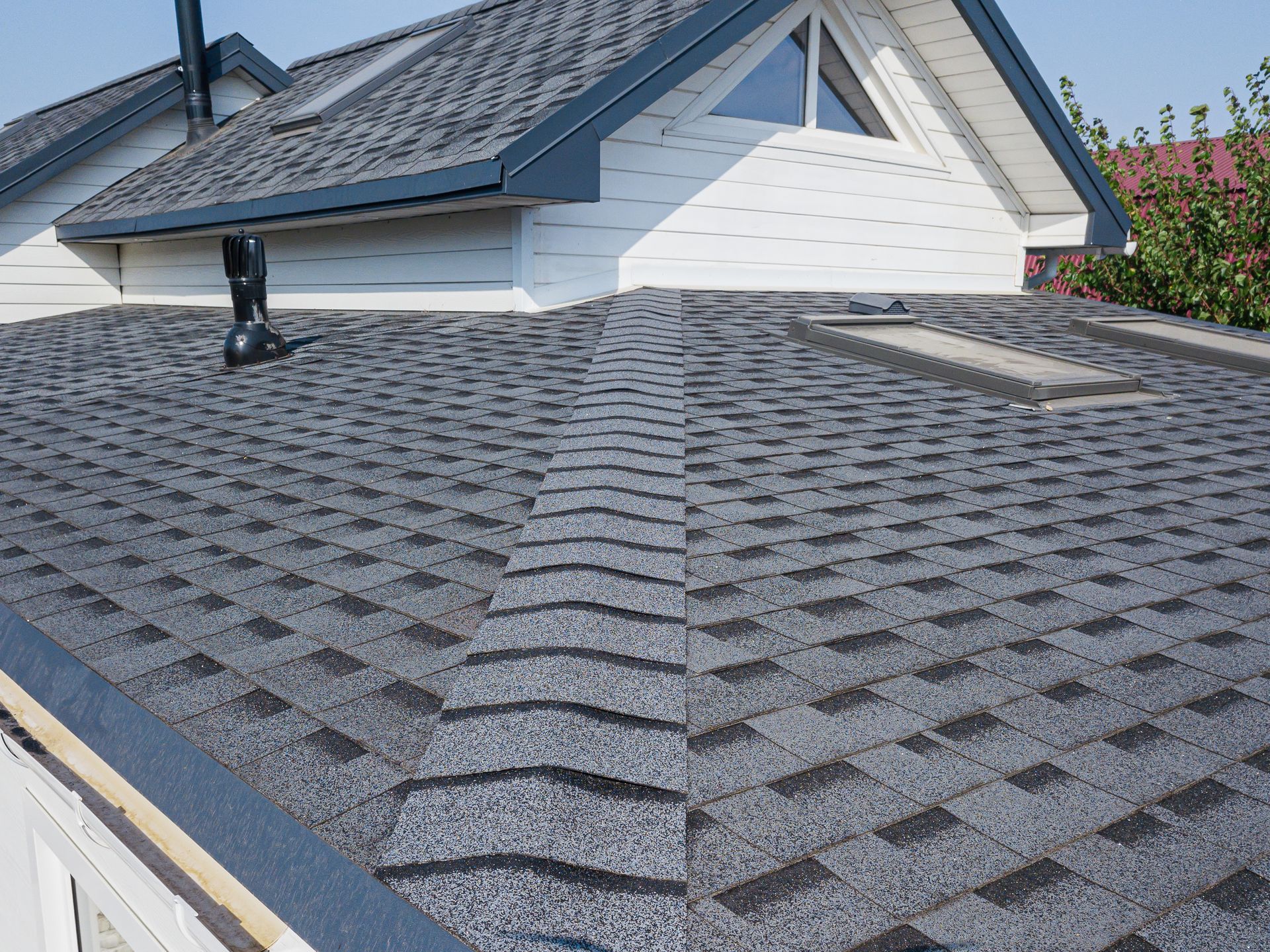
Vents, Chimneys, And Openings
Roof penetrations are checked for movement, impact, and water-entry concerns that may not appear on the main field of roofing.
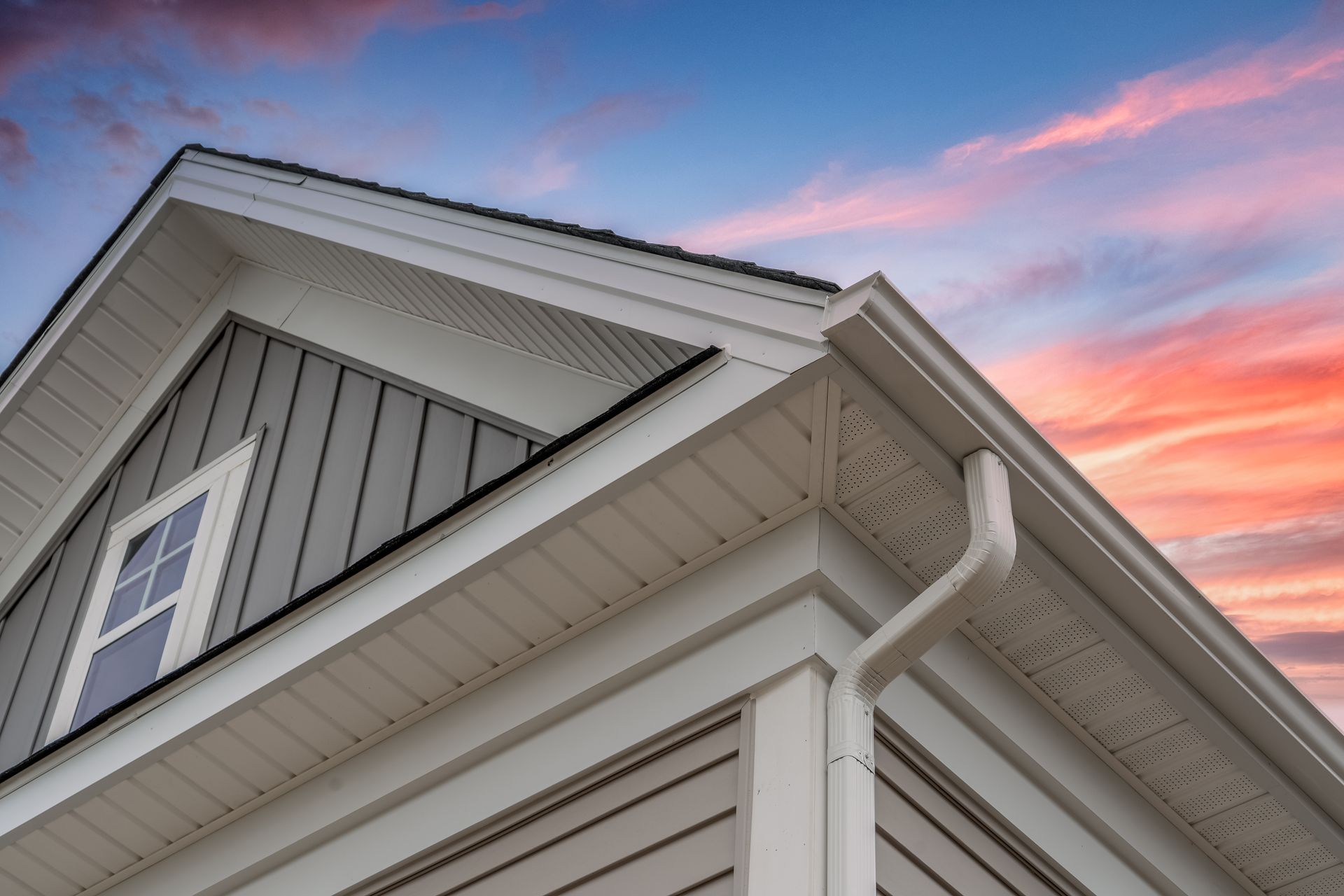
Gutters And Roof Edges
Dents, loose sections, damaged fascia, and displaced edge components can help show how the storm affected the perimeter of the roof.
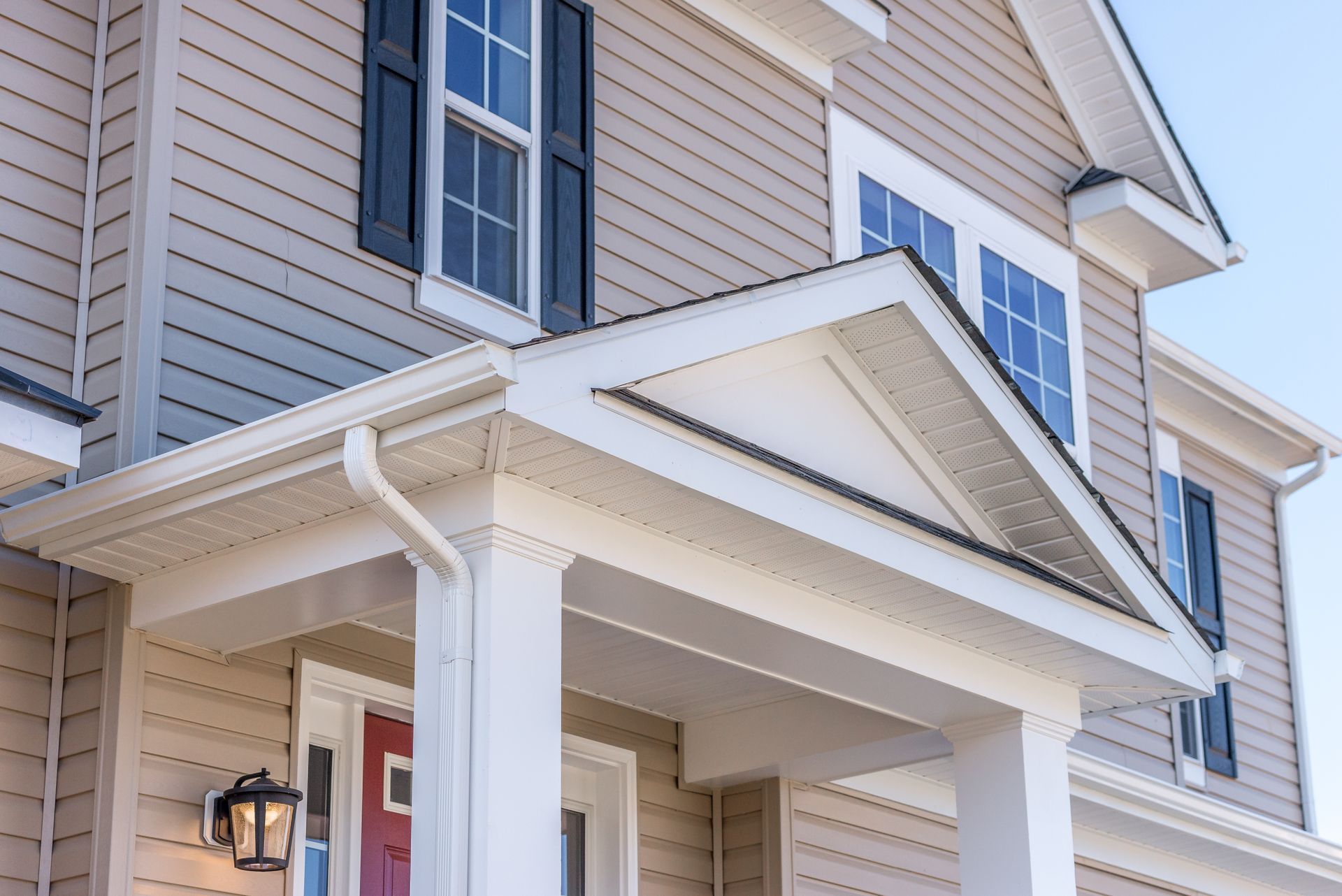
Siding, Windows, And Exterior Trim
Damage on walls and openings can be documented alongside the roof when the same storm affected several exterior surfaces.
Five Steps From Storm Inspection To Repair Planning
C&D keeps the contractor role focused on the property and the work. The process starts with safety and documentation, moves through claim assistance and repair planning, and avoids making promises about insurance coverage that belong to the carrier.
Inspect And Address Urgent Openings
C&D checks the roof and exterior for immediate weather-entry concerns and can provide 24/7 emergency tarping when temporary roof protection is needed.
Document Visible Storm Damage
Photos and inspection notes are used to record affected roof and exterior areas before permanent repairs begin.
Support The Claim Discussion
C&D can explain the observed damage and proposed contractor work while the insurance carrier evaluates policy coverage and claim payment.
Define The Repair Work
The repair or replacement plan is based on the property condition, including connected roofing, gutter, siding, window, or masonry work when applicable.
Complete Work And Review The Property
After approved work moves forward, C&D completes the contracted repairs and reviews the finished exterior and cleanup with the owner.
Temporary Protection And Safe Access Come Before Permanent Repair Work
A damaged roof can create immediate concerns for the interior, landscaping, walkways, and areas below loose exterior materials. C&D organizes storm response around safety and weather protection first, then moves into documentation and permanent repair planning.
- Keep people away from fallen branches, loose roofing, hanging gutters, broken glass, and other unstable exterior materials until the area is assessed.
- Use emergency roof tarping when an opening is actively exposing the building to additional rain and temporary protection can be installed safely.
- Protect interior areas from active leaks with safe containment measures while avoiding electrical fixtures or ceilings that appear saturated or unstable.
- Document visible damage before debris is removed when it can be done safely, since the original condition may be useful during the claim discussion.
- Coordinate permanent repairs so roofing and other damaged exterior components are addressed in a logical order instead of creating conflicting work areas.
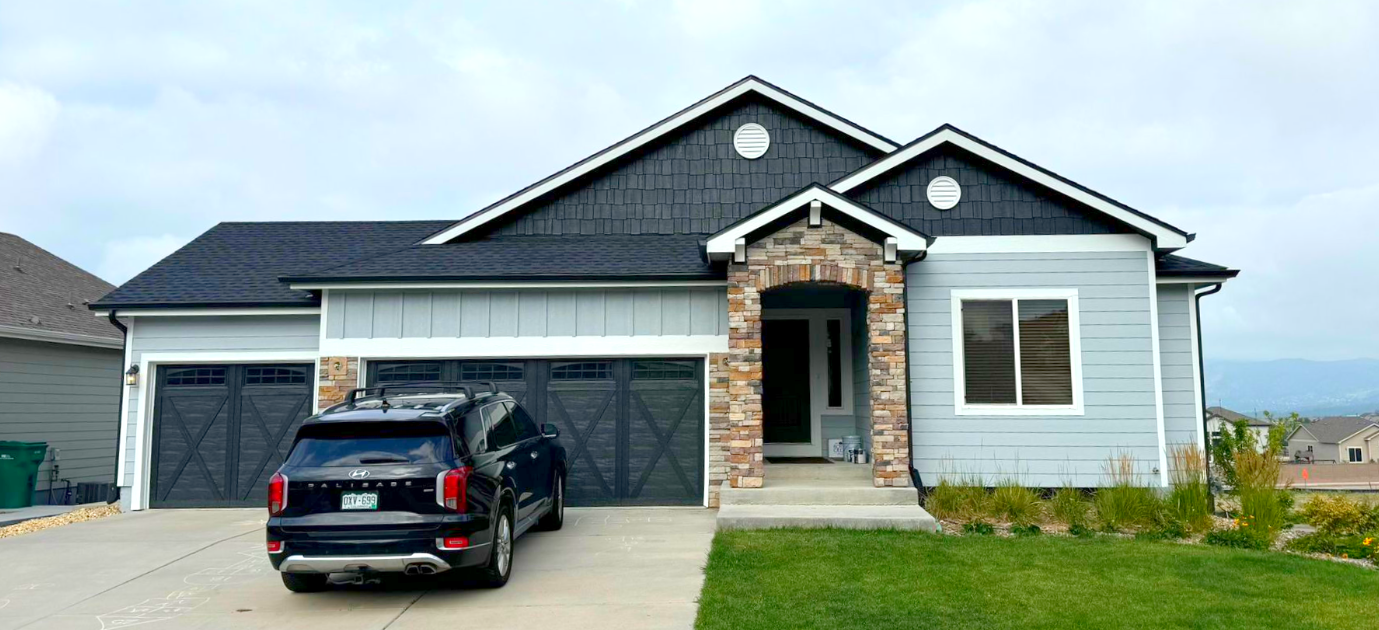
Storm Damage Inspections For O’Fallon And Nearby Missouri Properties
C&D assists O’Fallon homeowners, property owners, and facility managers after hail, wind, heavy rain, and other exterior storm damage. The company also serves surrounding Missouri communities where the same weather can affect roofing, gutters, siding, windows, and masonry at the same property.
Storm impact can vary sharply from one neighborhood or one roof slope to another. A professional inspection is more useful than assuming every property in the area has the same damage, and it gives the owner a specific record of what was observed at their building.
Use The Inspection To Connect The Claim With The Roofing And Exterior Work That May Follow
Once the storm condition is understood, the next step may be a roof repair, roof replacement, gutter repair, siding work, or another exterior service. These C&D resources help property owners review the contractor options connected to the claim.
Roofing Services After Storm Damage
Related Exterior Storm Services
C&D Company And Contact Information
Questions Property Owners Ask After Hail, Wind, Or Roof Leaks
These answers cover inspections, claim timing, emergency tarping, documentation, adjuster visits, coverage decisions, deductibles, repairs, multiple exterior trades, and what C&D can do during the process.
Should I have my roof inspected before filing an insurance claim?
A professional inspection can help you understand whether visible storm damage is present and where it is located. That information can be useful before you decide how to proceed with your carrier.
Can C&D help me file a roof insurance claim?
C&D provides insurance claim assistance from the contractor side, including inspection, documentation of observed conditions, and explanation of proposed repair work. The property owner and insurance carrier handle the policy claim itself.
Does C&D offer emergency tarping after storm damage?
Yes. C&D provides 24/7 emergency roof tarping when storm damage has created an opening that needs temporary weather protection.
What should I document after a storm?
When it is safe, note the date of the storm, visible exterior damage, active leaks, interior staining, fallen debris, and any temporary protection. C&D can also photograph observed roof and exterior conditions during the inspection.
Can C&D meet with or provide information for my adjuster?
C&D can explain observed damage and the contractor repair work associated with the property. Insurance coverage and claim payment decisions remain with the carrier.
Can a contractor guarantee my insurance claim will be approved?
No. A contractor can inspect and document damage, but the insurance company determines coverage under the policy. C&D does not promise claim approval.
Does C&D decide my deductible or insurance payment?
No. Deductibles, coverage, and payment amounts come from the insurance policy and carrier. C&D focuses on the property inspection and the contracted repair work.
What if the storm damaged my roof, gutters, and siding?
C&D handles roofing, gutters, siding, windows, and masonry, so several storm-damaged exterior areas can be reviewed and coordinated through one contractor.
What affects the cost of storm repairs after a claim?
The damaged area, roof size and access, repair versus replacement needs, related exterior damage, material requirements, and any hidden conditions discovered during work can affect the contractor price.
Can I repair an active leak before the claim is finished?
Urgent temporary protection may be necessary to reduce additional damage. Permanent work should be coordinated carefully with the property owner and carrier so the condition is documented and the repair plan is understood.
Hail, Wind, Or A New Roof Leak After A Storm? Schedule An O’Fallon Storm Inspection
Call C&D General Contractors for a roof and exterior storm inspection, 24/7 emergency tarping when needed, and contractor-side insurance claim assistance. C&D documents what is visible and helps turn the property condition into a clear repair plan.