
Roof Repair O’Fallon, MO
A roof repair works best when the source is identified before materials are removed. Water can enter at a vent, chimney, wall transition, valley, damaged shingle, or roof edge and then travel before showing up inside. C&D General Contractors traces the visible clues from the interior and exterior so the repair is focused on the area causing the problem.
O’Fallon roofs face hail, strong winds, heavy rain, summer heat, and winter freeze-and-thaw conditions. A small lifted section or cracked detail can become more noticeable after repeated weather changes. C&D checks the surrounding roof condition as well as the obvious defect to make sure the repair boundary is practical.
What A Roof Repair Should Actually Fix
The goal of a roof repair is to stop the water path or restore a damaged section while keeping the surrounding roof intact. That may involve replacing localized roofing, correcting a damaged transition, repairing a penetration area, or addressing an edge condition that is allowing water to enter.
C&D also checks whether the surrounding material is sound enough to support a focused repair. If damage is spread across several areas, if the roof is heavily worn, or if repeated repairs are no longer holding, that condition should be discussed rather than forcing another patch into a roof that needs a different plan.
A Repair Is More Reliable When The Leak Source, Roof Detail, And Nearby Exterior Are Checked Together
Roof leaks do not always stay in one trade. A chimney joint can affect the roof beside it. A gutter problem can soak fascia. Storm damage can affect roofing and siding at the same time. C&D handles roofing along with several exterior services, so connected problems can be separated before repairs begin.
Leaks Often Start At A Small Detail Before They Become A Larger Interior Problem
C&D looks at the roof area around the symptom, not just the first damaged piece that is easy to spot. The repair plan depends on how water is entering, how far damage extends, and whether surrounding material can stay in place.
Missing Or Damaged Roofing
Wind, hail, debris, and age-related wear can leave isolated sections cracked, lifted, torn, or missing and expose the roof below.
Leaks Around Penetrations
Vents, pipes, chimneys, and other roof openings need secure transitions because small gaps there can send water into the attic or ceiling below.
Trace The Water Path, Then Repair The Cause
An interior stain may be several feet away from the exterior opening. C&D compares attic or ceiling evidence with roof details above, then defines the smallest practical repair area that addresses the source and ties back into sound surrounding roofing.
Valley And Transition Problems
Roof lines that meet, change direction, or connect to walls can concentrate water and need careful inspection when leaks appear nearby.
Roof Edge And Gutter Damage
Loose fascia, damaged edge components, or gutter problems can create water issues near eaves even when the main roof surface looks normal.
A New Stain, Missing Material, Or Repeated Drip Is Enough Reason To Inspect The Roof
You do not have to wait for a large ceiling leak. Small interior marks, debris in the yard, a lifted roof section, or damp attic wood after rain can all point to a problem that is easier to address before more weather gets through.
- Look from the ground for missing, lifted, curled, cracked, or visibly displaced roofing and for debris resting on the roof after a storm.
- Inside, note new ceiling stains, bubbling paint, damp attic areas, or a drip that appears during certain wind directions or rain conditions.
- Check gutters and roof edges for loose sections, overflow marks, damaged fascia, or material that may have shifted with the roofing above.
- Stay off a wet or damaged roof. Loose materials, hidden soft spots, steep slopes, and unstable debris can make a do-it-yourself inspection unsafe.
O’Fallon Roof Repair Checker
Choose the condition closest to what you have noticed. The result shows what C&D would inspect first to narrow down the repair.
The Repair Has To Tie Into Sound Roofing And Close The Actual Water Entry Point
A repair area is only as useful as the materials around it. C&D checks the visible roofing, the connection details, and the surface below where accessible so damaged material is not simply covered by another layer of patchwork.
- Inspect the damaged roof surface and compare it with nearby material to determine where a stable repair boundary can be made.
- Check roof penetrations, wall connections, chimney areas, and other transitions that may be allowing water to move under the roofing.
- Review valleys and roof intersections where runoff is concentrated and small defects can create leaks that travel inside the roof assembly.
- Look at roof edges, fascia, and gutters when water marks or damage are concentrated near the eaves.
- Evaluate visible decking or attic surfaces at the leak area when moisture or deterioration suggests the problem extends below the outer roofing.
Four Roof Details Where A Small Opening Can Produce A Surprisingly Large Leak
Water follows slope, framing, and surfaces once it gets under the roof. That is why the place where a stain appears indoors may not line up directly with the exterior defect. C&D checks the details most likely to redirect water before it reaches the ceiling.
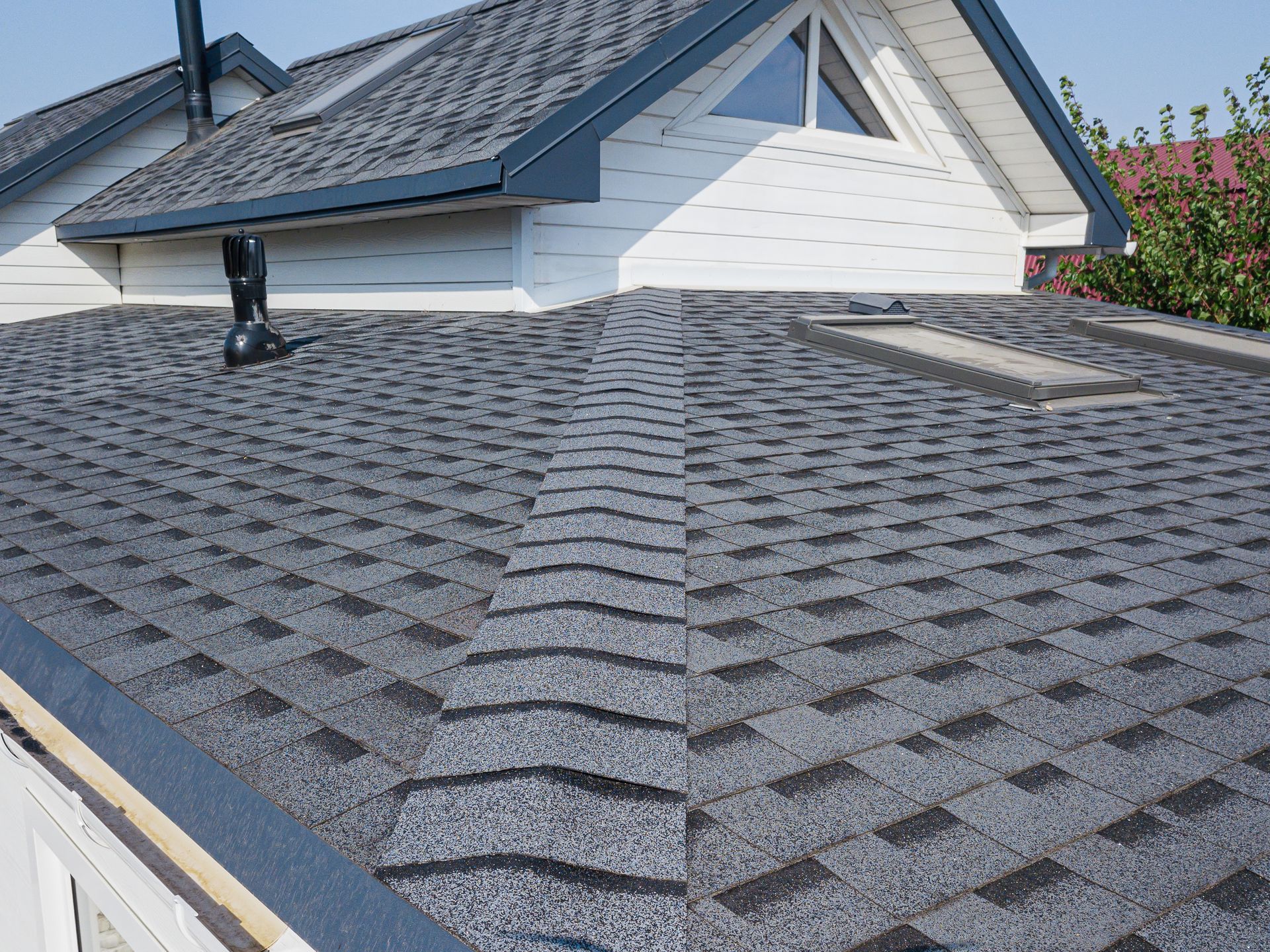
Vent And Pipe Areas
Openings through the roof need intact surrounding details so rain cannot slip beneath the roofing at the penetration.
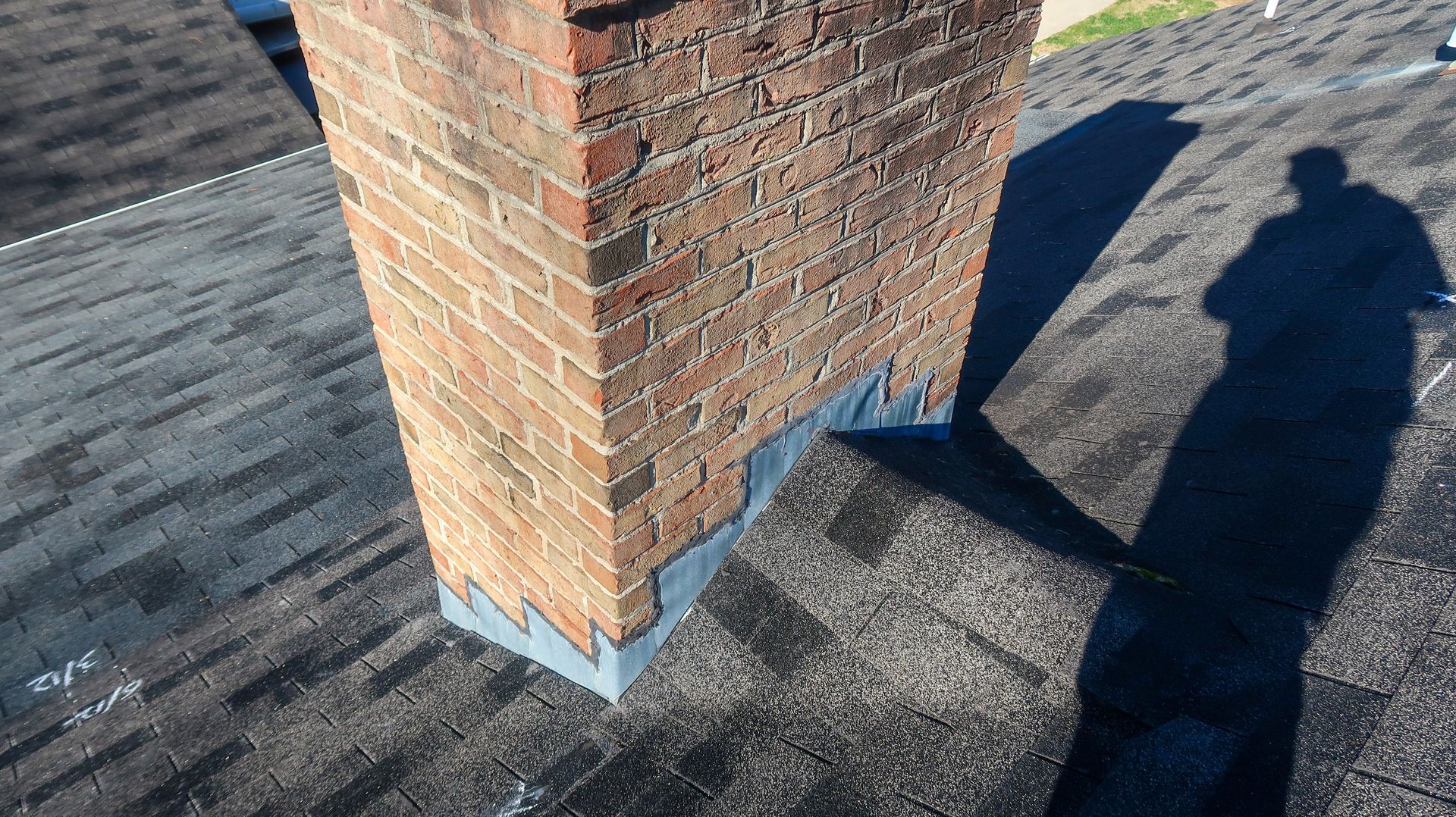
Chimney And Wall Connections
Roof-to-wall and roof-to-chimney transitions are checked when stains appear below or beside vertical exterior surfaces.

Valleys And Intersections
Concentrated runoff and debris can make valleys and changing roof lines sensitive to small defects or displaced material.
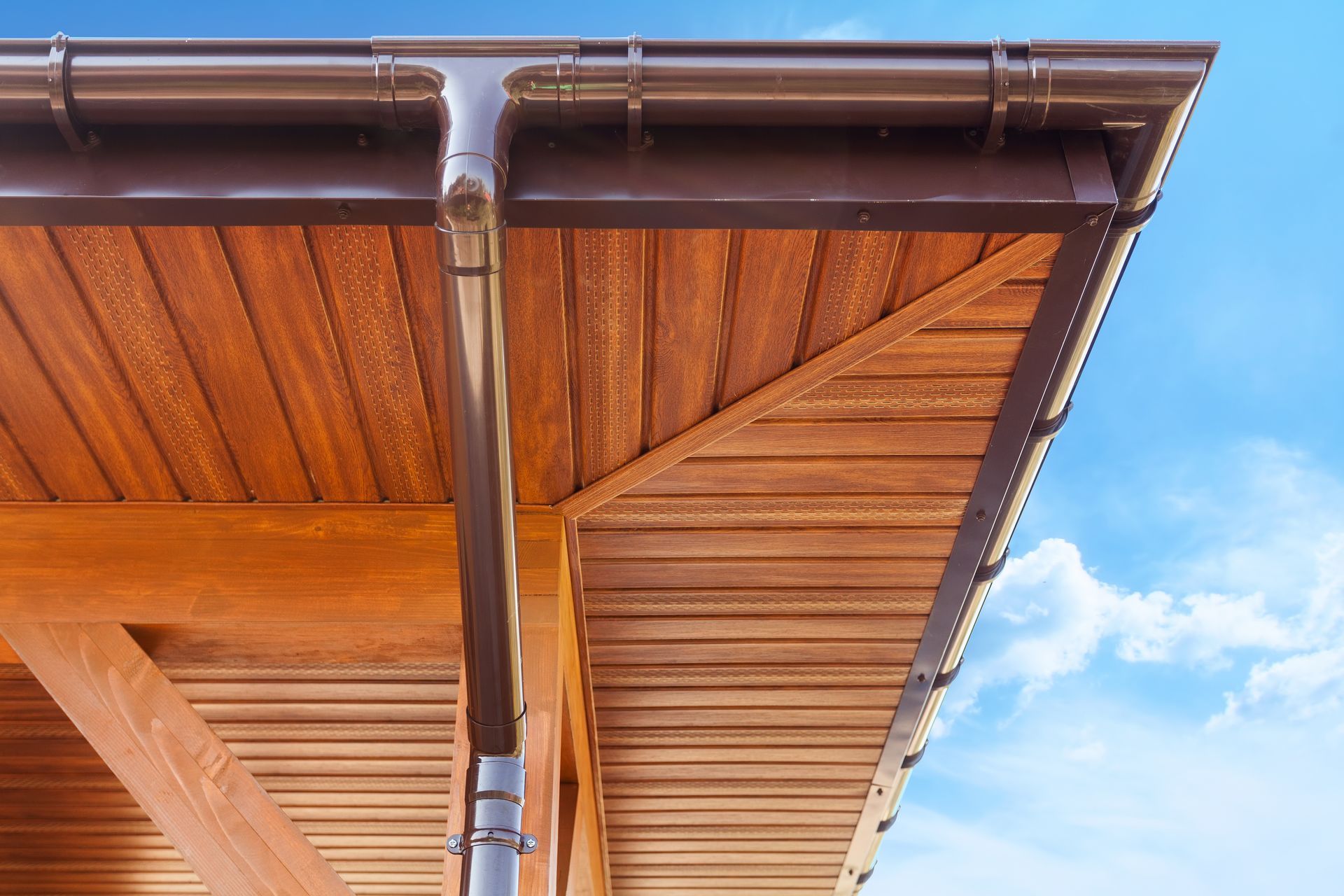
Eaves, Fascia, And Gutters
Roof-edge problems can show up as wet fascia, staining below the gutter, or moisture near the outer edge of the attic.
Five Steps From Leak Investigation To A Finished Localized Repair
C&D starts with the symptom and works backward to the exterior source. Once the damaged area is defined, the repair is tied into sound surrounding roofing and the nearby drainage or exterior details are reviewed before cleanup.
Inspect The Leak Or Damage
C&D reviews interior evidence when available, then checks the roof surface, penetrations, transitions, edges, and nearby exterior conditions.
Define A Sound Repair Area
Damaged material is separated from roofing that can remain, and the crew identifies where a practical tie-in can be made.
Open Only What Is Needed
The affected area is carefully exposed so hidden moisture or damage can be evaluated without removing more roofing than the repair requires.
Complete The Roof Repair
Damaged components are corrected and the repaired section is integrated with the surrounding roof details and water-shedding surfaces.
Review The Area And Cleanup
C&D checks the finished repair, related gutter or exterior conditions, and the immediate work area before discussing any remaining recommendations.
Localized Roof Work Still Happens Above Landscaping, Driveways, Windows, And Interior Rooms
Even a smaller repair can involve ladders, removed roofing, fasteners, sealants, and debris near the affected roof area. C&D organizes the work zone so the crew can reach the repair safely while keeping the property below in mind.
- Create safe ladder access and keep work activity concentrated near the repair area rather than spreading equipment around the full property.
- Protect windows, siding, patios, landscaping, and ground-level surfaces below the repair where removed material or tools could fall.
- Contain nails, cut roofing, old components, and small debris as the damaged area is opened and rebuilt.
- Coordinate gutter, fascia, chimney, or siding work when a connected exterior condition affects the roof repair area.
- Review the completed repair and cleanup with the property owner, including any nearby roof condition that may need monitoring or separate work.
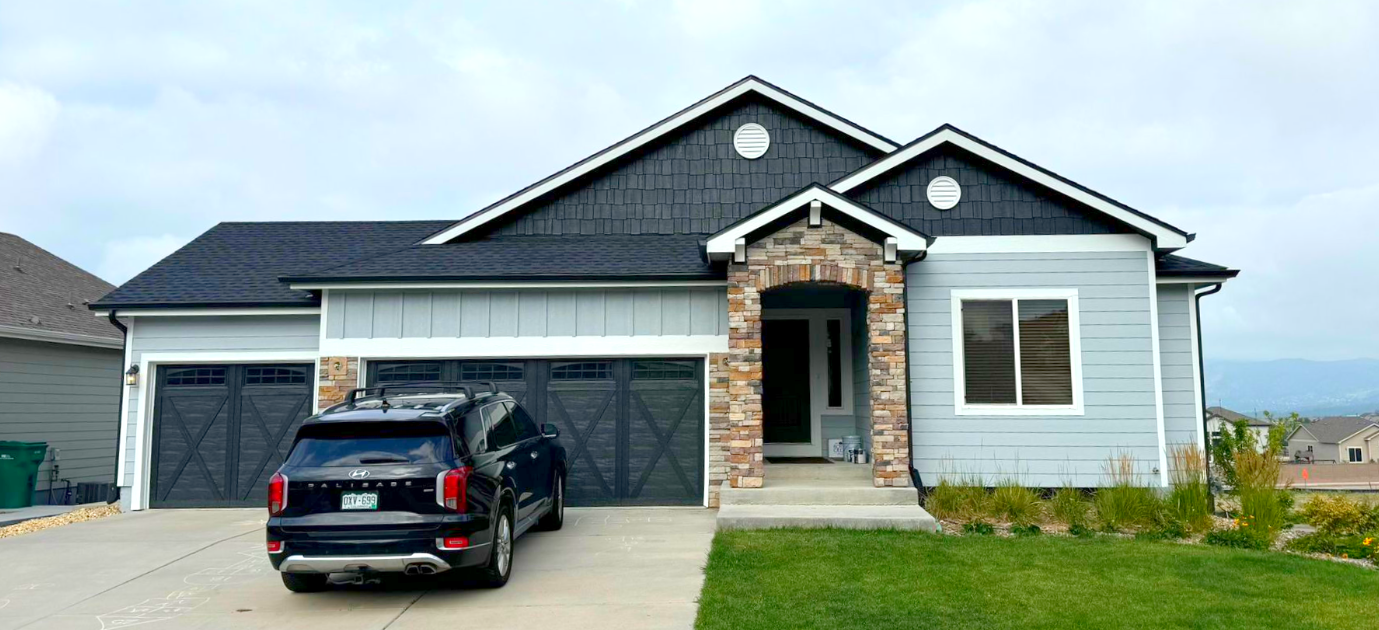
Leak And Storm Repairs Across O’Fallon And Nearby Missouri Communities
C&D provides roof repair for O’Fallon homes, commercial properties, and surrounding communities. Roofs in the area include simple gable layouts, complex intersections, additions, chimneys, low sections, and varied drainage details that can change how a leak develops.
Seasonal storms, summer heat, heavy rain, and winter temperature swings can expose weak areas over time. C&D bases repair recommendations on the condition of the individual roof rather than assuming every leak in the area has the same cause.
Use The Repair Inspection To Decide Whether The Problem Stops At The Roof Or Connects To Another Exterior Area
A roof leak can involve gutters, siding, windows, or masonry as well as the roofing itself. C&D offers related services when the inspection shows that the water path or storm damage crosses into another part of the exterior.
Roofing Services For Different Repair Outcomes
Connected Exterior Services
Questions Property Owners Ask About Leaks, Storm Damage, And Localized Roof Repairs
These answers cover finding leak sources, missing roofing, storm damage, emergency tarping, repair versus replacement, repeated leaks, cost factors, interior stains, gutters, and what C&D looks for during an inspection.
How do you find the source of a roof leak?
C&D compares interior or attic evidence with the roof details above, checking nearby roofing, penetrations, valleys, edges, and transitions. Water can travel before it becomes visible indoors, so the stain alone does not always identify the entry point.
Can missing shingles or other roofing be repaired?
Often yes, if the damage is localized and the surrounding roof remains suitable for a sound tie-in. C&D checks the nearby condition before defining the repair area.
Does C&D repair storm-damaged roofs?
Yes. C&D handles roof repairs after hail, wind, falling debris, and other storm damage and can provide insurance claim assistance when the loss involves a claim.
Can C&D tarp an actively leaking roof?
Yes. C&D offers 24/7 emergency roof tarping when temporary weather protection is needed before permanent repair can be completed.
How do I know if I need roof repair or replacement?
The decision depends on how widespread the damage is, the condition of surrounding roofing, the number of problem areas, and whether a focused repair can tie into sound material.
Why does the same roof leak keep coming back?
A repeated leak can mean the original source was not fully corrected, water is entering from a nearby detail, or the surrounding roof has broader wear. A new inspection should trace the current water path rather than assume the old repair is still the only issue.
What affects the cost of roof repair?
Roof height, slope, access, the size of the damaged area, the type of repair detail, hidden damage, connected exterior work, and material needs can all affect the price.
Can a ceiling stain come from somewhere other than the roof directly above it?
Yes. Water can travel along decking, framing, or other surfaces before reaching the ceiling. The exterior source may be offset from the visible stain.
Can gutters cause roof-edge leaks?
Gutter and fascia problems can contribute to moisture around the eaves. C&D checks those areas when staining or water entry is concentrated near the roof edge.
What does C&D inspect before repairing a roof?
C&D reviews the visible damage, surrounding roofing, leak evidence, penetrations, valleys, roof edges, gutters, and connected exterior conditions so the repair addresses the actual source.
Roof Leak, Missing Material, Or Localized Storm Damage? Schedule An O’Fallon Roof Inspection
Call C&D General Contractors when a roof leak, damaged section, or storm problem needs a focused repair. C&D traces the source, checks the surrounding roof, and explains whether a localized repair fits the condition.