
Roof Replacement O’Fallon, MO
Roof replacement becomes the better conversation when damage is spread across large areas, repeated repairs are no longer solving the problem, or the existing roof has reached a condition where dependable tie-ins are difficult. C&D General Contractors inspects the roof as it stands, reviews the visible trouble areas, and explains what a full replacement would involve before work starts.
O’Fallon roofs handle strong storms, hail, heavy rain, summer heat, and cold winter weather. Those conditions can affect different slopes and roof details at different rates. C&D looks at the entire roof, including penetrations, valleys, edges, gutters, and visible decking concerns, so replacement planning is based on the property instead of a one-size-fits-all assumption.
What A Roof Replacement Should Address Beyond The Visible Roofing
A replacement project removes the old roofing so the underlying roof can be evaluated and the new materials can be installed on a suitable surface. That gives the crew a chance to address damaged decking where found, rebuild roof penetrations and transitions as needed, and reconnect the roof to edges and drainage areas instead of simply covering over widespread problems.
C&D also considers how the roof interacts with gutters, chimneys, walls, siding, and other exterior details. If those areas need related work, planning them with the replacement can reduce conflicts and make the finished roof easier to inspect as one complete exterior project.
A Full Roof Project Benefits From A Contractor That Can Handle The Edges And Exterior Details Around It
Replacing roofing can uncover problems at chimneys, gutters, fascia, wall transitions, or other exterior connections. C&D works across roofing and exterior construction, so those areas can be evaluated as part of the project instead of becoming surprises that have to be handed off later.
Widespread Damage, Repeated Leaks, And Weak Repair Tie-Ins Can Point Beyond Another Patch
Replacement is not based on one stain or one missing piece. C&D looks at how much of the roof is affected, whether problems are repeating in several areas, and whether the remaining roofing can still support durable localized repairs.
Widespread Surface Wear
When cracking, curling, granule loss, breakage, or other wear appears across many roof areas, isolated repairs may leave too much compromised material behind.
Repeated Leak Locations
Leaks showing up at several roof details or returning after prior repairs can signal a broader condition that needs a full-roof evaluation.
Decide From The Whole Roof, Not The Worst-Looking Shingle
C&D compares damaged areas with roof sections that still appear serviceable, then looks at penetrations, valleys, edges, drainage, and visible structural surfaces. The replacement recommendation is based on whether the roof can still be repaired reliably as a connected assembly.
Large Storm Damage Areas
Hail, wind, and debris can affect many slopes and exterior components at once, making a replacement discussion more practical than scattered repairs.
Poor Conditions Around Roof Details
Widespread deterioration near penetrations, valleys, walls, or edges can make clean repair tie-ins difficult even when individual defects look small.
Look For Problems That Repeat Across The Roof, Not Just One Damaged Spot
A single defect may be repairable. Replacement becomes more likely when several roof areas show wear, leaks keep appearing, or storm damage is spread across multiple slopes. A full inspection is the best way to separate those situations.
- Look from the ground for widespread curling, cracking, missing material, uneven roof sections, or visibly different repair patches across several slopes.
- Note whether leaks have appeared in more than one room or whether the same roof has needed repeated repairs over a relatively short period.
- After storms, check for missing roofing, debris impact, damaged gutters, and exterior marks that suggest the event affected more than one area.
- Stay off the roof and avoid lifting materials to investigate. C&D can inspect roof surfaces and accessible interior areas without exposing the property to additional damage.
O’Fallon Roof Replacement Checker
Choose the condition that best matches your roof. The result shows what C&D would evaluate before discussing repair versus replacement.
A New Roof Depends On The Surface Below It And The Details Around Every Opening And Edge
Replacement creates access to areas that are hidden during a small repair. C&D uses that opportunity to evaluate the supporting surface and rebuild roof details so the new roofing connects properly from the ridge to the edges and drainage points.
- Remove existing roofing in the planned work area so the surface below can be inspected instead of assuming hidden sections are sound.
- Identify damaged decking or other visible substrate concerns that need correction before new roofing is installed over them.
- Rebuild roof openings, chimney connections, wall transitions, valleys, and other details as the new roofing is installed around them.
- Coordinate roof edges, fascia, and gutters when drainage components or mounting surfaces need attention as part of the project.
- Keep material removal, installation, cleanup, and final inspection organized so the property owner can follow the project from start to finish.
Four Areas Where Installation Quality Depends On Careful Transitions
Large roof fields are important, but the most complicated parts of a replacement are often the places where roofing changes direction or meets another component. C&D gives those areas their own inspection and installation attention.
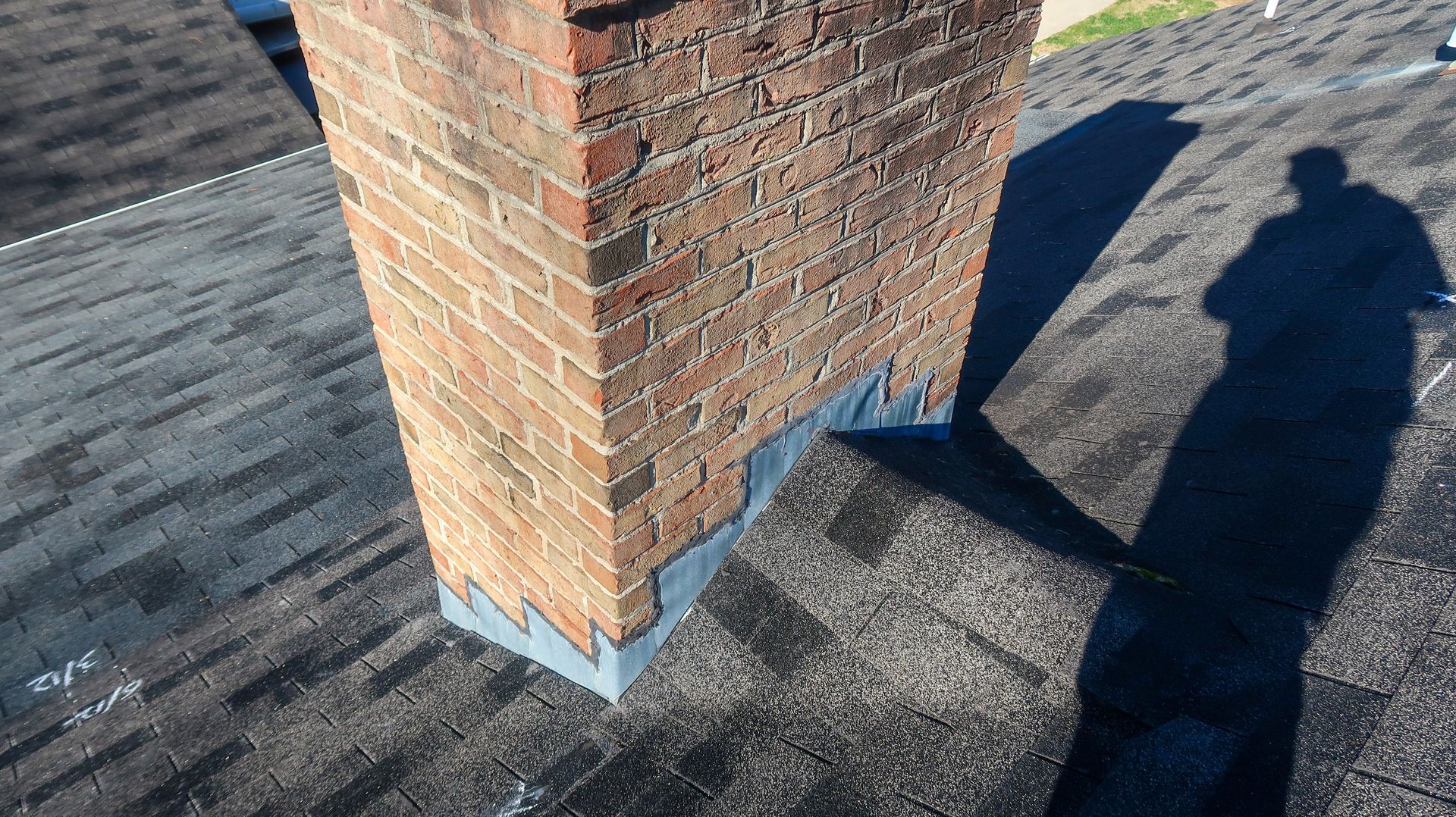
Chimneys And Vertical Walls
Roofing must connect cleanly where a slope meets masonry or siding so runoff is directed down the roof instead of behind the vertical surface.
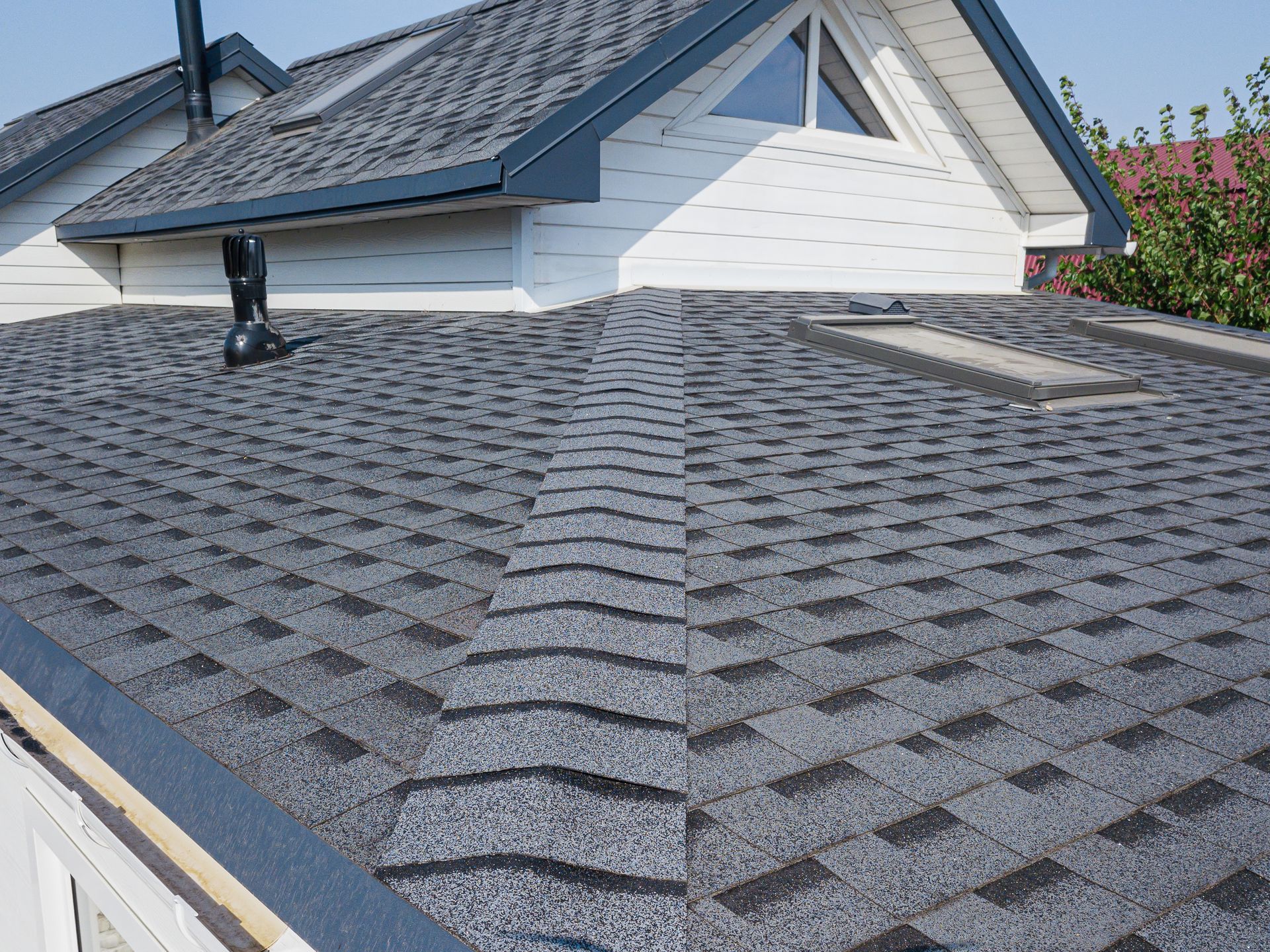
Vents And Pipe Penetrations
Every opening through the roof needs a secure transition that works with the surrounding new roofing.

Valleys And Intersecting Slopes
Valleys collect water from multiple roof planes and must remain clear, aligned, and properly integrated with the replacement roofing.
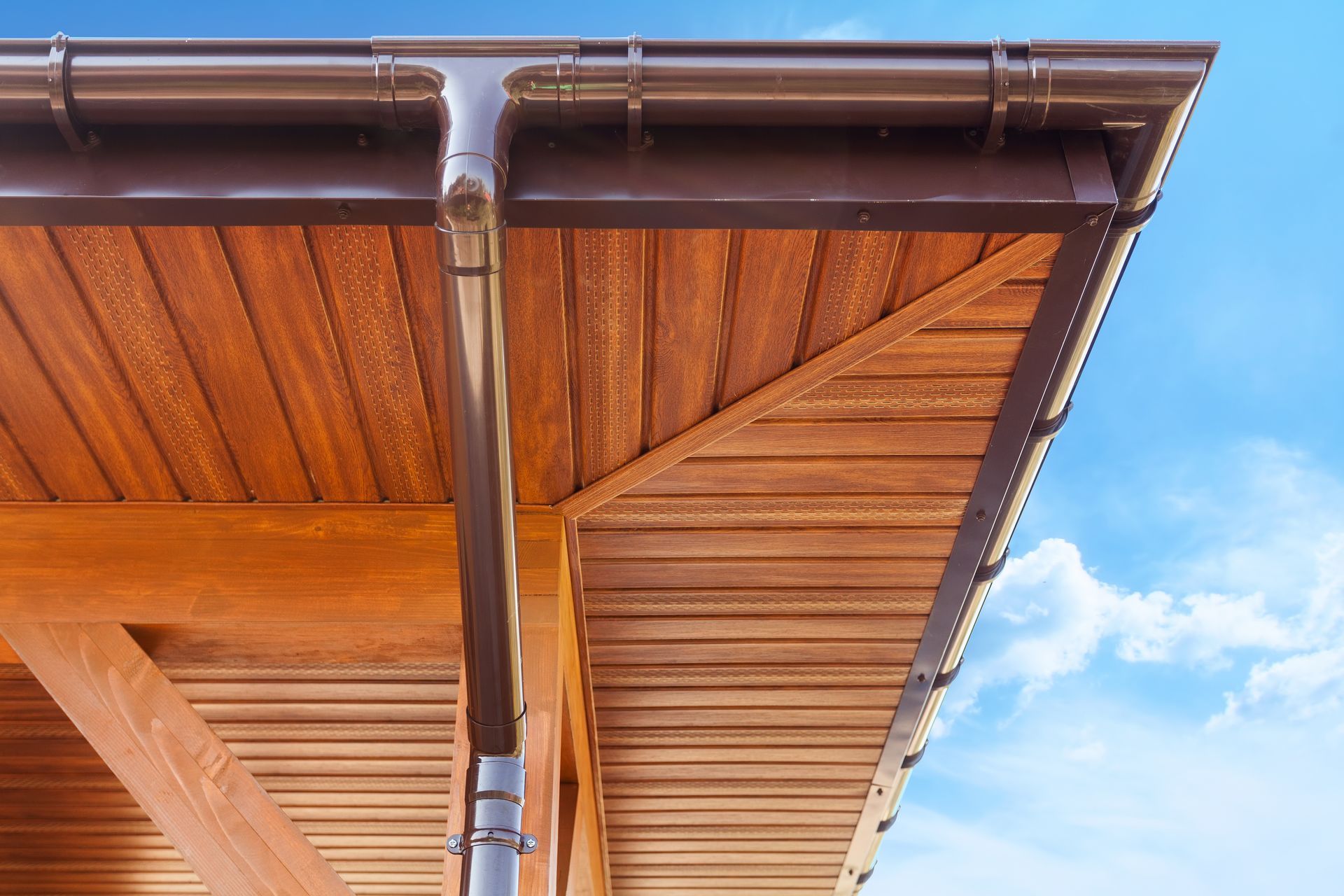
Eaves And Gutter Lines
The lower roof edge is checked for sound supporting conditions and a clean drainage path into gutters or away from the structure.
Five Steps From Full-Roof Evaluation To Final Cleanup
A replacement project is easier to manage when the condition, removal, deck review, installation, and cleanup are planned in order. C&D uses that sequence so hidden conditions can be addressed before they disappear under the new roof.
Inspect And Plan The Roof
C&D evaluates the roof condition, leak history, storm damage, penetrations, access, gutters, and connected exterior areas before work begins.
Remove Existing Roofing
Old roofing is removed from the replacement area so the underlying surface and problem locations can be viewed directly.
Repair Exposed Problem Areas
Damaged decking or other visible conditions discovered during removal are addressed as needed before new roofing covers the area.
Install The New Roof
New roofing and the necessary roof details are installed across the planned area, including penetrations, valleys, transitions, and edges.
Complete Cleanup And Final Review
C&D removes project debris, checks the completed roof and surrounding exterior, and reviews the finished work with the property owner.
A Full Roof Project Needs Careful Control Of Material, Debris, Access, And Ground-Level Work Zones
Roof replacement brings more material on and off the property than a small repair. C&D plans staging, removal, delivery, ladder access, and cleanup around driveways, landscaping, windows, patios, and other areas below the roof.
- Set material and equipment zones that support efficient roof access without blocking more of the property than the project requires.
- Protect siding, windows, doors, decks, patios, and landscaping from falling debris as old roofing is removed from above.
- Keep nails, cut material, packaging, and removed roofing contained and collected throughout the project instead of leaving cleanup until the end.
- Coordinate gutter, siding, window, or masonry work when those components share a transition with the replacement roof.
- Walk the property after installation to review cleanup, roof edges, drainage connections, and any remaining exterior recommendation.
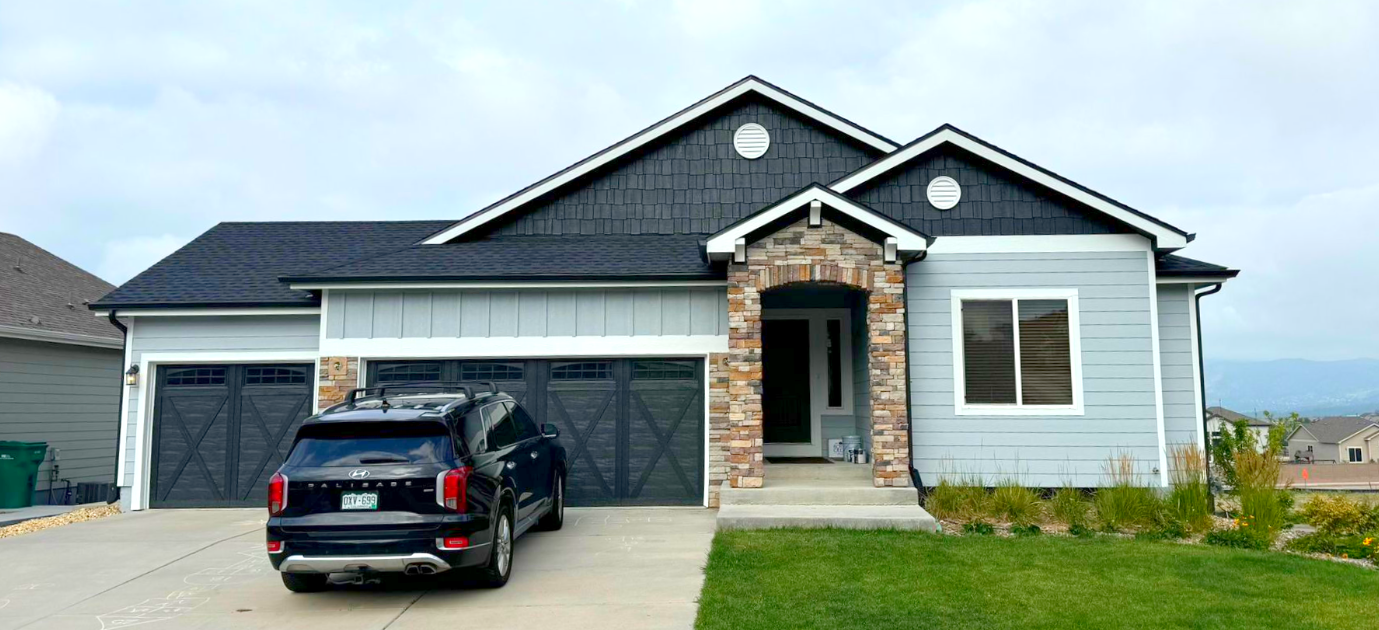
Full Roof Replacement For O’Fallon Homes And Nearby Missouri Properties
C&D replaces roofs for homeowners, property owners, and facility managers in O’Fallon and surrounding Missouri communities. Properties in the area include a mix of roof shapes, additions, chimneys, intersecting slopes, and drainage layouts that can make replacement planning different from one building to the next.
Local roofs experience strong thunderstorms, hail, periods of heavy rain, summer sun, and winter freezing conditions. C&D evaluates how those conditions have affected the individual roof and whether the remaining material can still support dependable repairs before recommending full replacement.
Plan Roof Replacement With The Repairs That Meet The Roof At Its Edges And Openings
A replacement can overlap with gutter, siding, window, or masonry work where those components connect to the roof. C&D offers related services so property owners can review those needs before the roofing project is underway.
Roofing Services Around Replacement Decisions
Exterior Services That May Connect To The Roof
Questions Property Owners Ask Before Replacing A Roof
These answers cover repair versus replacement, storm damage, removal, decking, leaks, gutters, insurance assistance, cost factors, project preparation, and what C&D checks before recommending a full roof project.
How do I know if I need roof replacement instead of repair?
C&D looks at how widespread the damage is, how many areas are leaking or worn, the condition of surrounding roofing, and whether a focused repair can still tie into sound material.
Can storm damage lead to a full roof replacement?
Yes, when hail, wind, or debris damage is spread broadly enough that localized repair is not practical. C&D can inspect and document the roof and provide insurance claim assistance when a claim is involved.
Does the old roof get removed before replacement?
The existing roofing in the replacement area is removed so the surface below can be inspected and the new roofing can be installed on a suitable base.
What happens if damaged decking is found?
Exposed damaged areas are identified during the project and need to be addressed before new roofing covers them. The exact work depends on what is found after removal.
Will a roof replacement fix every leak?
A properly planned replacement addresses roof-related water entry across the replaced area, but leaks from windows, siding, plumbing, or other non-roof sources need separate diagnosis.
Should gutters be replaced at the same time as the roof?
Not automatically. C&D checks gutter and fascia condition and can coordinate gutter work when those components are damaged, poorly performing, or affected by the roofing project.
Can C&D help with insurance if the roof replacement is storm-related?
Yes. C&D provides insurance claim assistance and can document observed storm damage while the insurance carrier makes policy coverage and payment decisions.
What affects the cost of roof replacement?
Roof size, slope, height, access, complexity, number of penetrations and transitions, material needs, removal requirements, exposed deck repairs, and connected exterior work can all affect the project.
How should I prepare my property for roof replacement?
Keep driveways and work areas reasonably clear, move fragile outdoor items away from the building, and follow any project-specific access instructions provided before installation starts.
What does C&D inspect before recommending replacement?
C&D reviews the overall roof condition, leak history, storm damage, prior repairs, roof details, edges, drainage, and visible supporting surfaces to determine whether full replacement is justified.
Worn Roof, Repeated Leaks, Or Broad Storm Damage? Schedule An O’Fallon Replacement Inspection
Call C&D General Contractors for a full-roof evaluation when repair options are becoming limited. C&D reviews the roof as a whole, explains why replacement may be appropriate, and plans the work around the roof details and exterior connections that matter.