
Storm Damage Olathe, KS
C&D General Contractors inspects storm damage for Olathe, KS homeowners, property owners, and facility managers near I-35, K-7, Santa Fe Street, 151st Street, and surrounding Olathe neighborhoods. The inspection can cover roofing, ridge caps, vents, flashing, gutters, siding, windows, masonry, and interior moisture clues so damage is not judged from one shingle or one visible dent.
Olathe properties can take hail, straight-line wind, wind-driven rain, sudden temperature changes, and flying debris during the same storm. Some failures are obvious, such as missing shingles or active leaks. Others begin as bruised shingle mats, loosened edges, bent roof accessories, displaced flashing, or small openings that admit water during the next round of rain.

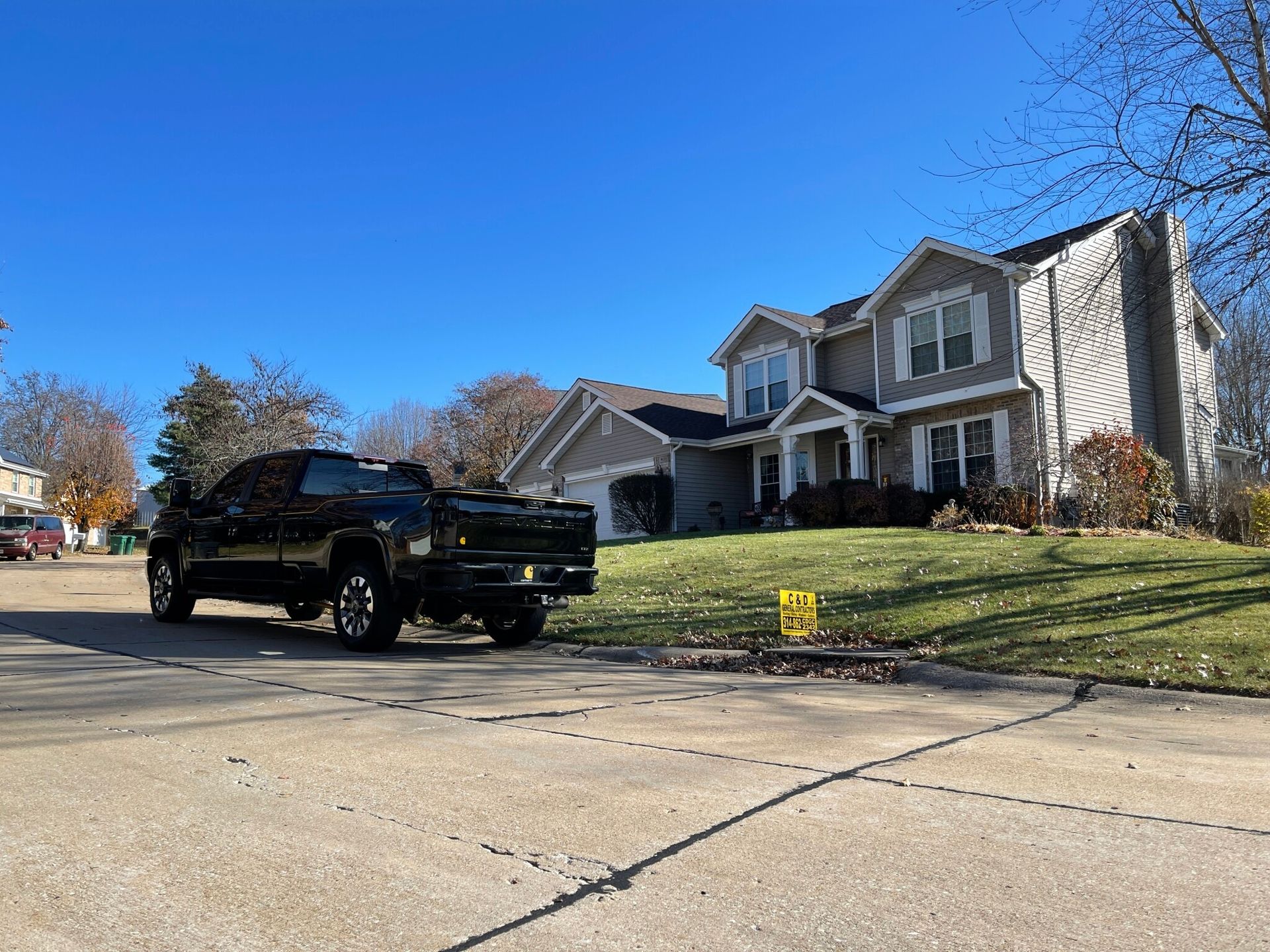
When An Olathe Property Needs A Storm Damage Inspection
Schedule an inspection when a storm leaves missing or creased shingles, dented vents, displaced flashing, gutter damage, torn siding, broken exterior components, ceiling stains, or water in the attic. An inspection also makes sense when nearby properties show hail damage even if your roof still looks normal from the ground. Functional damage can be spread across several slopes and may not cause an immediate leak.
C&D evaluates whether the property needs temporary protection, a focused repair, a larger roof or exterior restoration, or documentation for an insurance conversation. The inspection should separate pre-existing wear from storm-related damage and explain which conditions require prompt action before another Olathe thunderstorm adds more water or wind exposure.
Clear Storm Findings Without Guesswork Or Pressure
A storm-damage visit should produce useful answers: where the building was hit, which components lost function, whether water can enter, what should be secured now, and which repairs belong in the permanent scope. C&D approaches the roof and exterior as connected systems instead of treating every mark as automatic replacement evidence.
Olathe Storm Damage Services Built Around The Actual Failure
Storm restoration is not a one-size-fits-all roof replacement pitch. One property may need a few wind-damaged shingles and a flashing repair; another may have hail effects across roofing, gutters, siding, window wraps, and other exposed materials. C&D builds the recommended scope from visible evidence, water-entry risk, repairability, and the way each damaged component connects to the rest of the exterior.
Hail Damage Inspection
C&D checks shingle surfaces, ridge materials, vents, flashing, gutters, downspouts, siding, and other impact-sensitive components for supported hail evidence.
Wind And Leak Repair
Lifted tabs, creased shingles, missing pieces, loose flashing, exposed fasteners, and storm-created leak paths are traced before repair options are explained.
One Olathe Storm Can Damage More Than The Shingles
Hail may mark roof surfaces and exposed metals while wind pulls at ridge caps, perimeter shingles, siding panels, fascia, or flashing. C&D follows the damage across roof slopes and exterior elevations so the recommendation accounts for connected water-control details instead of stopping at the first visible symptom.
Emergency Tarping
Temporary roof protection is available around the clock when storm damage leaves an opening that cannot safely wait for the permanent restoration plan.
Exterior And Claim Support
C&D can coordinate roofing, gutters, siding, windows, and masonry while helping document legitimate storm damage for insurance review.
Separate Cosmetic Marks From Functional Storm Damage
Not every scuff or dent changes how a material performs, and not every serious failure is easy to see from the driveway. The inspection has to look at impact pattern, wind direction, material condition, exposed accessories, interior evidence, and whether the affected area can still shed water and remain securely fastened.
- Check multiple roof slopes, ridges, edges, valleys, vents, and flashing rather than relying on one test area.
- Compare shingle conditions with dents or marks on gutters, downspouts, roof accessories, siding, and window trim.
- Trace active or previous moisture at ceilings and attic decking back to likely storm-created entry points.
- Document damage before temporary or permanent work changes the condition, while still prioritizing urgent water control.
Project Checker
Select the condition closest to what you see. It helps direct the inspection toward emergency protection, hail review, wind repair, or broader exterior restoration.
The Roof And Exterior Layers That Need Checking After An Olathe Storm
A storm can damage the visible surface, open a flashing joint, loosen edge materials, or force water beneath roofing that still appears intact. C&D checks the layers that keep weather outside so the restoration scope addresses the route water can take, not just the point where a ceiling stain finally appears.
- Shingles and ridge materials checked for impact bruising, punctures, creases, missing pieces, and broken seals.
- Underlayment and vulnerable water-barrier areas considered where wind lift or impact may have opened the surface.
- Flashing, pipe boots, vents, skylights, chimneys, and roof-wall transitions reviewed for displacement or cracking.
- Gutters, downspouts, fascia, and roof edges checked for dents, loosened fasteners, overflow risks, and drainage changes.
- Decking and attic areas inspected for moisture staining, soft sheathing, punctures, and hidden leak paths when accessible.
Damage Details Olathe Owners Should Not Ignore
The strongest storm assessment connects exterior evidence with material performance. These areas often reveal whether the property has a localized repair need or a broader restoration problem.
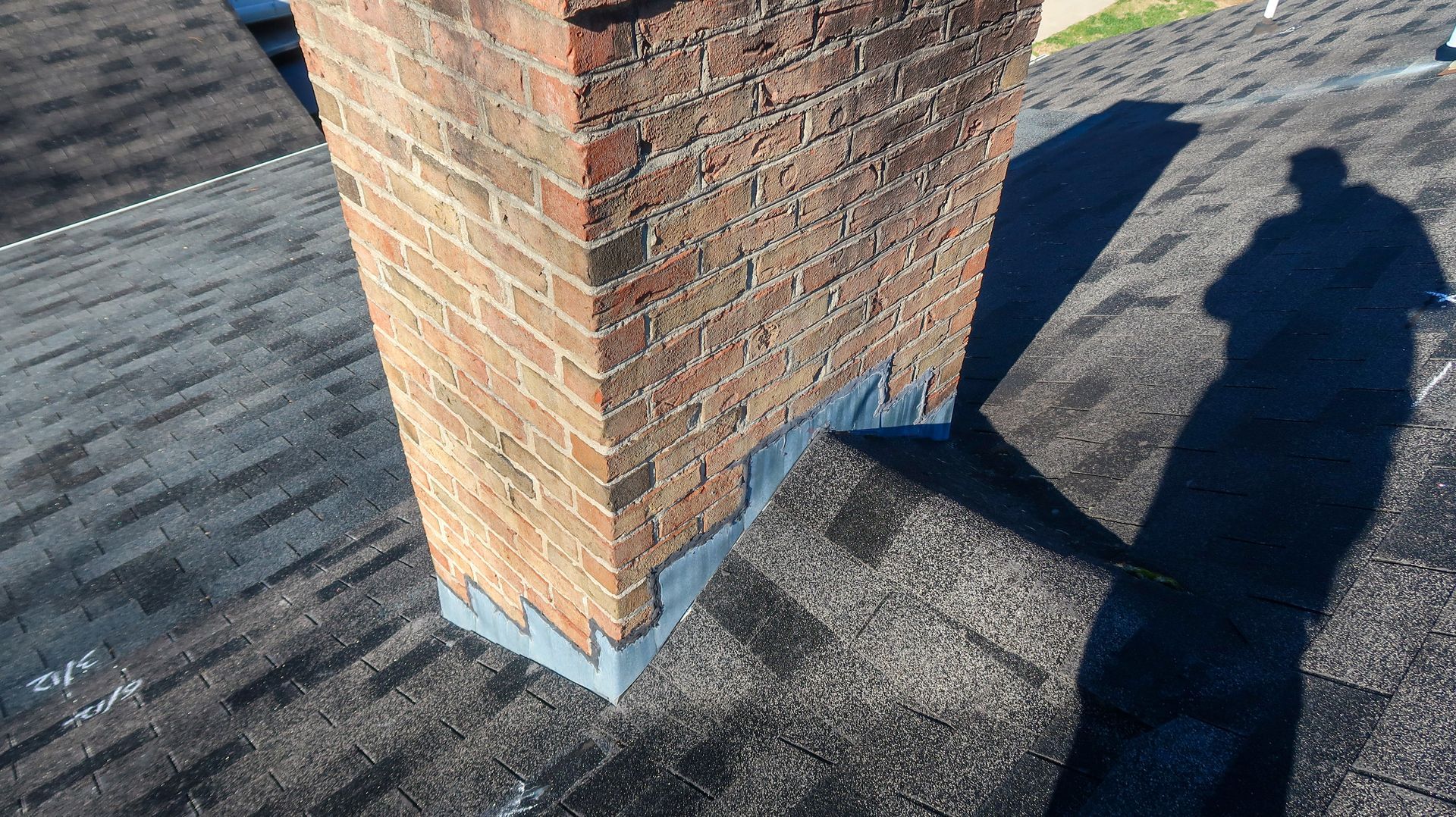
Flashing And Penetrations
Storm movement around walls, chimneys, vents, and pipe boots can open small joints that leak during wind-driven rain.
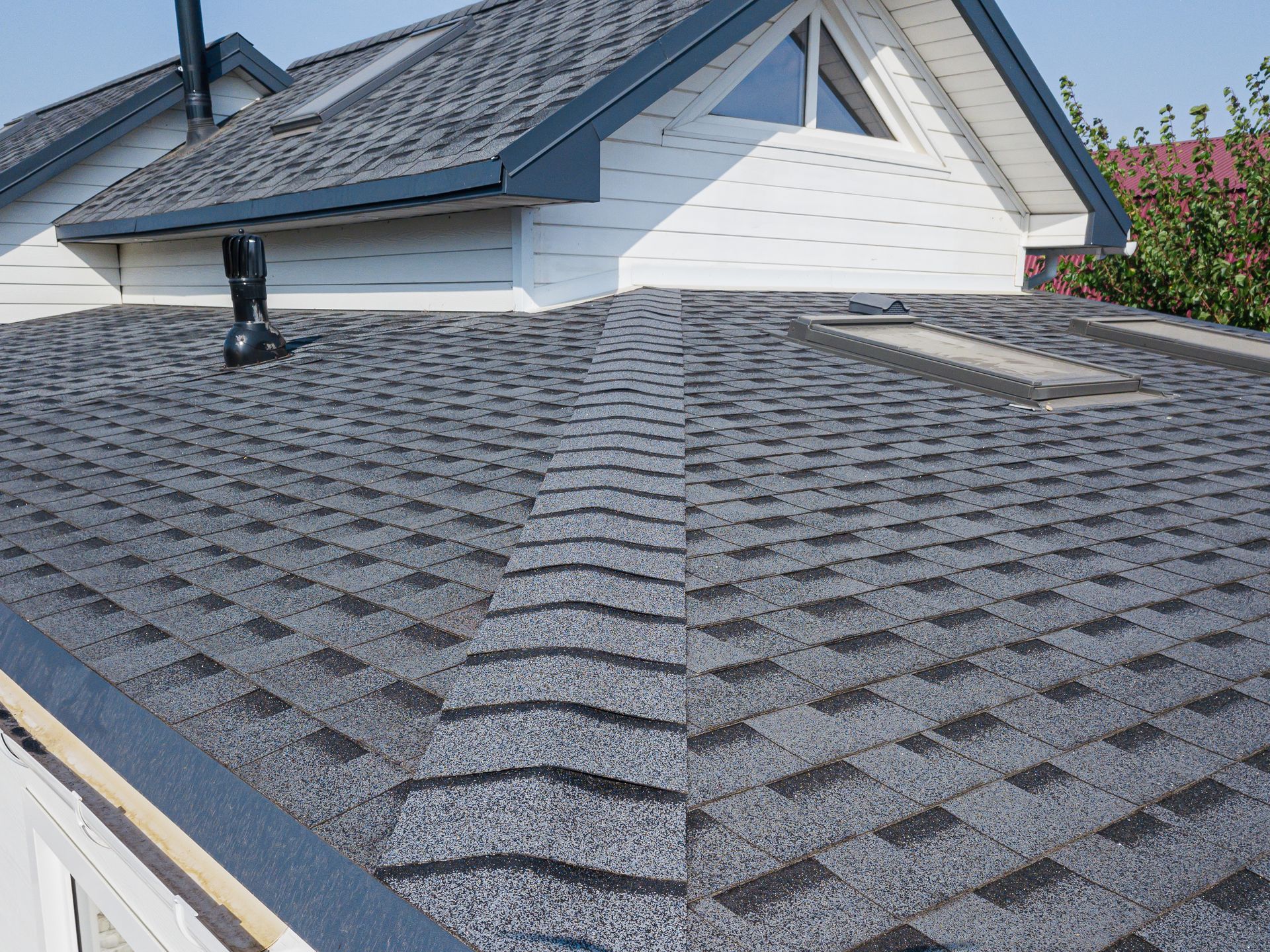
Shingle Impact
Hail bruising, exposed mat, fractures, granule displacement, and wind creases need close inspection rather than a ground-level guess.

Ridges And Airflow
Ridge caps and roof vents sit high in the wind and can loosen, crack, or dent even when the field shingles remain in place.

Gutters And Roof Edges
Dented gutters, shifted drip edge, damaged fascia, and loose perimeter materials can change how stormwater leaves the roof.
How C&D Handles Olathe Storm Damage
The process starts with safety and water control, then moves into evidence, scope, coordination, and permanent restoration. Each step should leave the property owner with a clearer picture of what happened and what comes next.
Protect The Property
Active openings and leak risks are reviewed first, with 24/7 emergency tarping available when temporary protection is needed.
Inspect Every System
C&D checks roof slopes, edges, penetrations, gutters, siding, windows, masonry, attic clues, and visible interior damage.
Document The Findings
Supported damage is photographed and organized so the owner can understand the affected materials and repair priorities.
Build The Scope
Repairability, material interfaces, code-related project requirements, and insurance communication are addressed before work begins.
Restore And Close Out
Approved work is completed, debris is cleaned, exterior details are reviewed, and the finished scope is explained to the owner.
Olathe Storm Work Needs Safe Access And Controlled Cleanup
Storm restoration may involve loose shingles, sharp metal, broken branches, wet decking, and debris around drives or walkways before the crew even starts. Olathe properties also range from established lots with mature trees to newer subdivisions with closely spaced homes, so staging and protection should be planned around the actual site.
- Identify overhead hazards, unstable materials, wet surfaces, and damaged electrical or exterior components before setup.
- Keep vehicles and occupants clear of tear-off, ladder, delivery, and debris-control areas during restoration work.
- Protect siding, windows, landscaping, patios, decks, air-conditioning equipment, and neighboring property near roof edges.
- Collect removed material throughout the project and complete magnetic nail sweeps around access and cleanup zones.
- Review temporary repairs, completed restoration details, remaining exterior concerns, and homeowner questions at closeout.
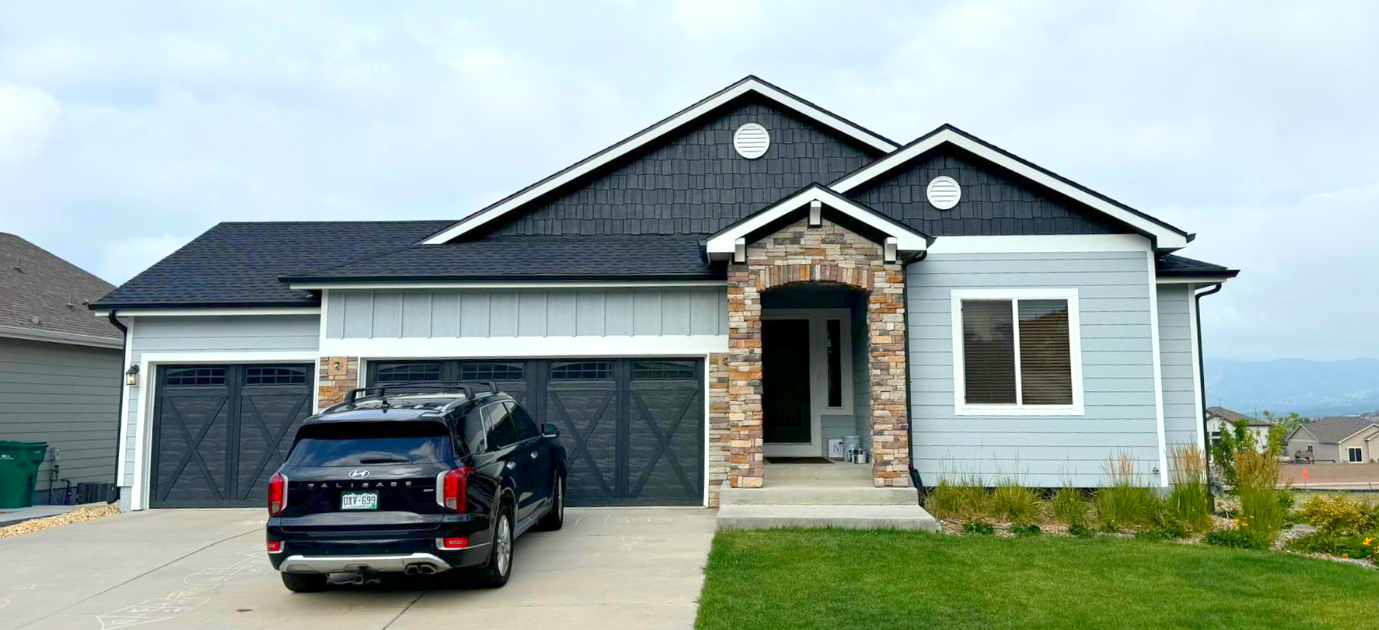
Storm Damage Help Across Olathe, KS
C&D serves Olathe properties near I-35, K-7, Santa Fe Street, 151st Street, Downtown Olathe, and surrounding residential and commercial areas. Roof age, tree cover, building height, slope orientation, and open exposure can change the damage pattern even when neighboring properties were hit by the same storm.
Established Olathe neighborhoods may have mature trees, older flashing, and previous repair history, while newer areas can have broad roof planes exposed to wind and hail. C&D uses the property inspection—not a citywide assumption—to determine where weather entered, what can be repaired, and which exterior components should be coordinated.
Explore Roofing And Exterior Services
Storm damage may call for a roof repair, full replacement, gutter work, siding restoration, window-related exterior repair, or a coordinated combination of services. Use these C&D pages to understand the systems that may be included after an Olathe hail or wind inspection, then schedule a property-specific review instead of guessing from exterior photos alone.
Roofing Pages
Exterior Pages
Storm Damage Questions From Olathe Property Owners
These answers cover hail and wind warning signs, emergency tarping, roof and exterior inspections, repair versus replacement, insurance documentation, property preparation, and what to do after severe weather in Olathe.
What storm damage should I look for after hail in Olathe?
Look for missing or creased shingles, granules below downspouts, dented gutters or vents, loose siding, damaged window trim, ceiling stains, and debris impact. Do not climb onto the roof; many functional hail marks require close, safe inspection.
Should I schedule an inspection if the roof is not leaking?
Yes, when your area took significant hail or wind or nearby properties show damage. Shingle bruising, broken seals, loose flashing, and small punctures may exist before water becomes visible indoors.
Does C&D provide emergency tarping in Olathe?
C&D provides 24/7 emergency tarping when storm damage creates an opening or active water-entry risk. Temporary protection limits exposure while the permanent scope is evaluated and scheduled.
Can wind damage be repaired without replacing the whole roof?
Sometimes. A localized group of missing or creased shingles may be repairable when surrounding materials remain serviceable and a compatible repair can be completed. Widespread lift, age, brittle materials, or multiple damaged slopes can change that recommendation.
What parts of the exterior are checked besides shingles?
The inspection may include ridge caps, vents, pipe boots, flashing, gutters, downspouts, fascia, soffits, siding, windows, masonry, attic decking, and interior moisture evidence.
Will C&D help with storm insurance documentation?
C&D can photograph supported damage, explain the proposed restoration scope, and assist with insurance claim communication. Coverage decisions and policy interpretations remain with the property owner and insurer.
What should I do when water is entering the house?
Move belongings away from the leak, contain water when it is safe, avoid wet electrical areas, and call for an inspection. Do not climb onto a wet roof. Emergency tarping may be appropriate when an exterior opening is accessible and safe to cover.
How do hail dents affect gutters and roof drainage?
Dents can be cosmetic, but impact can also loosen seams, fasteners, hangers, downspouts, or edge connections. The drainage system should be checked for leaks, poor alignment, overflow, and roof-edge damage.
What affects the scope and cost of storm restoration?
Major factors include the damaged materials, number of roof slopes or exterior elevations involved, access, roof pitch, decking condition, flashing and ventilation work, matching requirements, debris handling, and whether emergency protection is needed.
How should I prepare the property for an inspection or repair?
Keep people away from fallen debris, move vehicles from likely ladder and delivery areas, secure pets, note interior stains, and preserve storm photos or dates. The crew can explain any additional preparation after the scope is known.
Need Storm Damage Help In Olathe, KS?
Call C&D General Contractors when hail, wind, falling debris, or wind-driven rain may have damaged your Olathe roof or exterior. The inspection can identify urgent openings, document supported damage, separate repairable conditions from broader restoration needs, and outline the next step for roofing, gutters, siding, windows, or masonry.