
Why Fall Is the Best Time for Tuckpointing in Fenton MO
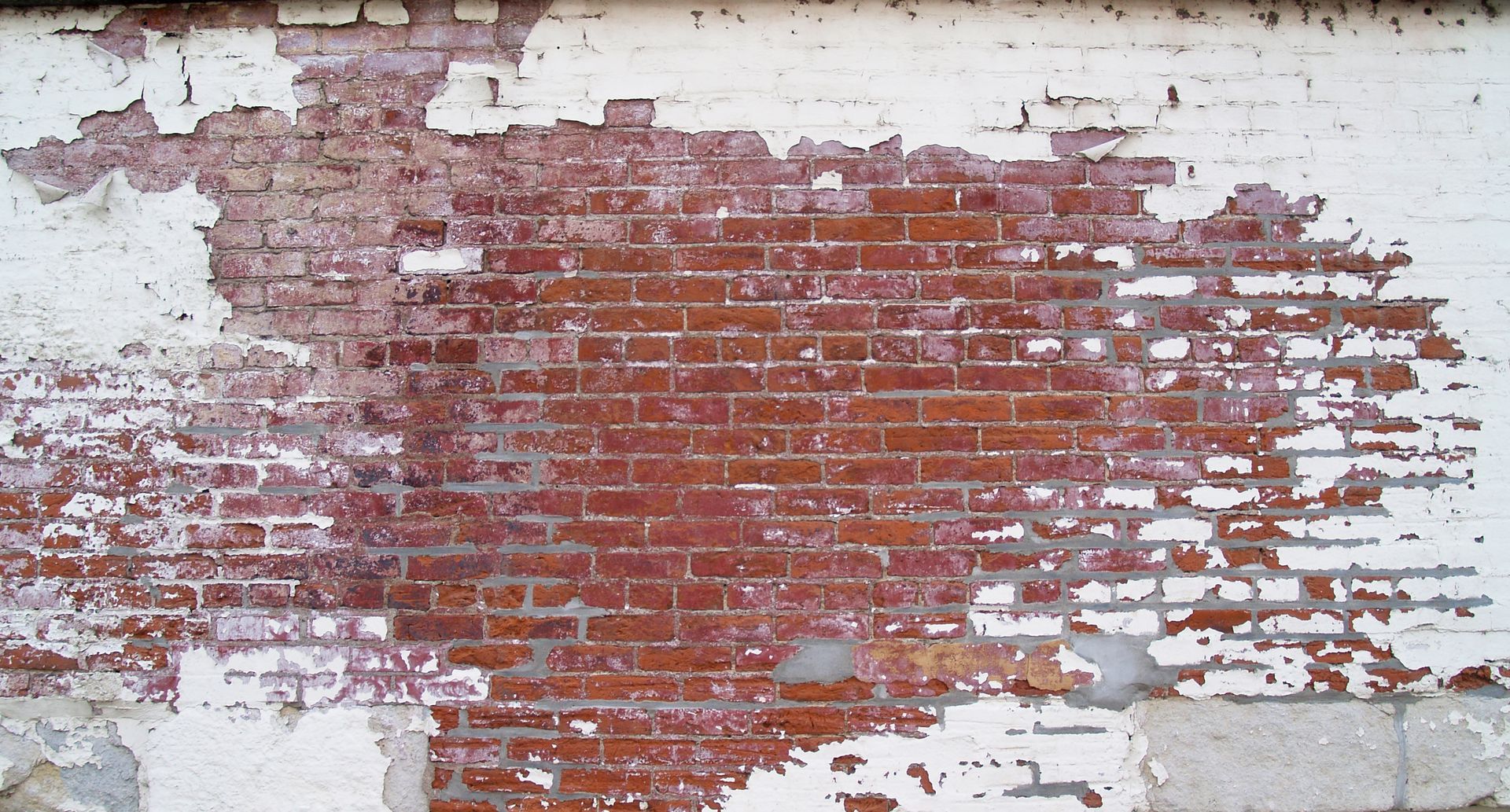
Homeowners in Fenton often overlook the mortar between their bricks until a visible crack appears or water begins to seep into the basement. In the St. Louis region, our masonry takes a brutal beating from the elements, cycling through sweltering humidity and deep winter freezes. Maintaining the structural integrity of your chimney, steps, or exterior walls requires proactive care before the first frost hits. This guide explains why seasonal tuckpointing is a critical maintenance task for Fenton properties and how timing your repairs correctly can save you thousands in structural damage.
The Importance of Seasonal Masonry Care
Tuckpointing is the process of removing deteriorated mortar from the joints of a brick wall and replacing it with fresh, color-matched mortar. In Fenton, this is not just a cosmetic fix; it is a vital shield against the Missouri climate. Because mortar is more porous than brick, it naturally wears down over time due to wind, rain, and temperature fluctuations. When mortar reaches the end of its lifespan, it allows moisture to penetrate the wall system, which can lead to interior water damage and compromised stability.
Performing this work seasonally, specifically during the autumn months, provides the ideal environment for the new mortar to cure. Proper curing is essential for a long-lasting bond. If the mortar dries too quickly in the summer heat or freezes before it sets in the winter, it will become brittle and fail prematurely. By addressing these needs during the moderate temperatures of fall, you ensure your home is sealed tight before the harsh winter weather arrives.
How Missouri Winters Affect Your Brickwork
The freeze-thaw cycle is the primary enemy of masonry in Fenton. When moisture gets trapped in cracked or recessed mortar joints, it expands as it turns to ice. This expansion exerts incredible pressure on the surrounding bricks, often causing them to "spall" or pop off their outer faces. Once the brick face is damaged, the softer interior of the brick is exposed to the elements, leading to rapid deterioration.
By investing in professional maintenance now, you prevent this cycle from starting. Fresh mortar acts as a flexible, water-resistant barrier that accommodates the natural expansion and contraction of your home. If you are concerned about the current state of your exterior, our tuckpointing experts can assess the depth of the erosion and provide a solution that prevents winter moisture from settling into your walls.
Signs Your Fenton Home Needs Tuckpointing
Identifying the need for masonry repair early can prevent the need for a full chimney rebuild or wall replacement. Homeowners should perform a visual inspection at the change of every season. Look for mortar that appears sandy or is crumbling away when touched. Another clear sign is "voids," which are literal holes in the mortar lines where the material has fallen out completely.
In many of the established neighborhoods in Fenton, older brick homes feature lime-based mortars that require specific expertise to repair. If you notice that your mortar joints are receding more than a quarter-inch from the face of the brick, it is time to seek professional help. Ignoring these gaps allows pests and water to enter the wall cavity, which often leads to hidden mold growth and wood rot in the underlying structure.
Local Housing Styles and Masonry Challenges
Fenton features a diverse array of architecture, from mid-century brick bungalows to newer custom builds with stone accents. Many older homes in the area were built using traditional masonry techniques that require a careful hand to preserve their original aesthetic. Matching the color and composition of historic mortar is a specialized skill that ensures the repair is invisible and structurally compatible with the original materials.
The proximity to the Meramec River can also contribute to higher local humidity levels, which accelerates the growth of moss and lichen on shaded northern walls. These organic growths hold moisture against the mortar, speeding up the decay process. During a seasonal checkup, a contractor can identify these high-risk areas and recommend cleaning or sealing services alongside necessary tuckpointing to keep your Fenton home looking its best.
When to Call a Professional
While some homeowners attempt to patch small cracks themselves, tuckpointing a large area or a chimney is a task best left to specialists. The process involves using high-speed grinders to remove the old mortar to a specific depth without damaging the edges of the bricks. A professional installer like C & D General Contracting has the dust-containment systems and scaffolding necessary to perform the job safely and cleanly.
Furthermore, a professional knows how to mix mortar to the correct PSI. Using mortar that is too "hard" for the surrounding brick can actually cause the brick to crack, as the mortar will not allow for natural movement.
The Cost of Proactive Maintenance
The cost of tuckpointing in Fenton typically ranges from $5 to $25 per square foot, depending on the height of the work and the condition of the existing joints. Chimney repairs often fall into a separate category due to the added labor of setting up safety equipment on the roof. While this may seem like a significant expense, it is a fraction of the cost of replacing structural brickwork or fixing foundation issues caused by water infiltration.
Budgeting for seasonal masonry work is a smart move for long-term property value. A well-maintained brick exterior is a major selling point in the Fenton real estate market, signalling to potential buyers that the home has been meticulously cared for. If you would like a personalized estimate for your property, please contact us to schedule a site visit and a detailed project walkthrough.
Authority and Local Reputation
Choosing a contractor with local experience is paramount when dealing with Missouri masonry. You need a team that understands the specific soil conditions and weather patterns of St. Louis County. At C & D General Contracting, we pride ourselves on delivering masonry solutions that are both durable and aesthetically pleasing. We use premium materials and proven techniques to ensure that your tuckpointing in Fenton stands up to the test of time and the harsh Midwestern seasons.
Quick Answers for Fenton Homeowners
What is the best temperature for tuckpointing?
The ideal temperature for tuckpointing is between 40 and 80 degrees Fahrenheit. This range allows the mortar to hydrate and cure slowly, creating a strong bond. Fall and spring in Fenton provide the perfect window for these conditions.
How often does a brick home need to be tuckpointed?
Generally, mortar joints last between 20 and 30 years. However, factors like water exposure, sun orientation, and the quality of the original installation can shorten this timeframe. Regular seasonal inspections can help you catch issues at the 15 or 20 year mark.
Can I do tuckpointing in the winter?
It is possible but much more difficult. Specialized heaters and blankets are required to keep the mortar from freezing during the curing process. It is almost always more cost-effective and reliable to schedule the work during the milder months in Fenton.
Does tuckpointing stop basement leaks?
If the water is entering through cracks in the above-grade brickwork, tuckpointing will resolve the issue. However, if the leak is coming from the foundation or below-grade hydrostatic pressure, a different waterproofing solution may be required.
What happens if I ignore crumbling mortar?
Ignoring the problem leads to "spalling" bricks, where the faces of the bricks begin to break off. This eventually compromises the structural integrity of the wall, leading to expensive reconstruction rather than simple mortar repair.
Is tuckpointing the same as pointing?
Pointing is the initial process of placing mortar joints during construction. Tuckpointing is the repair process that involves using two different colors of mortar to create a fine, "tucked" joint line that makes the masonry look new again.