Why Wildwood Homeowners Should Hire a Roofing Contractor Before Winter
Why Wildwood Homeowners Should Hire a Roofing Contractor Before Winter
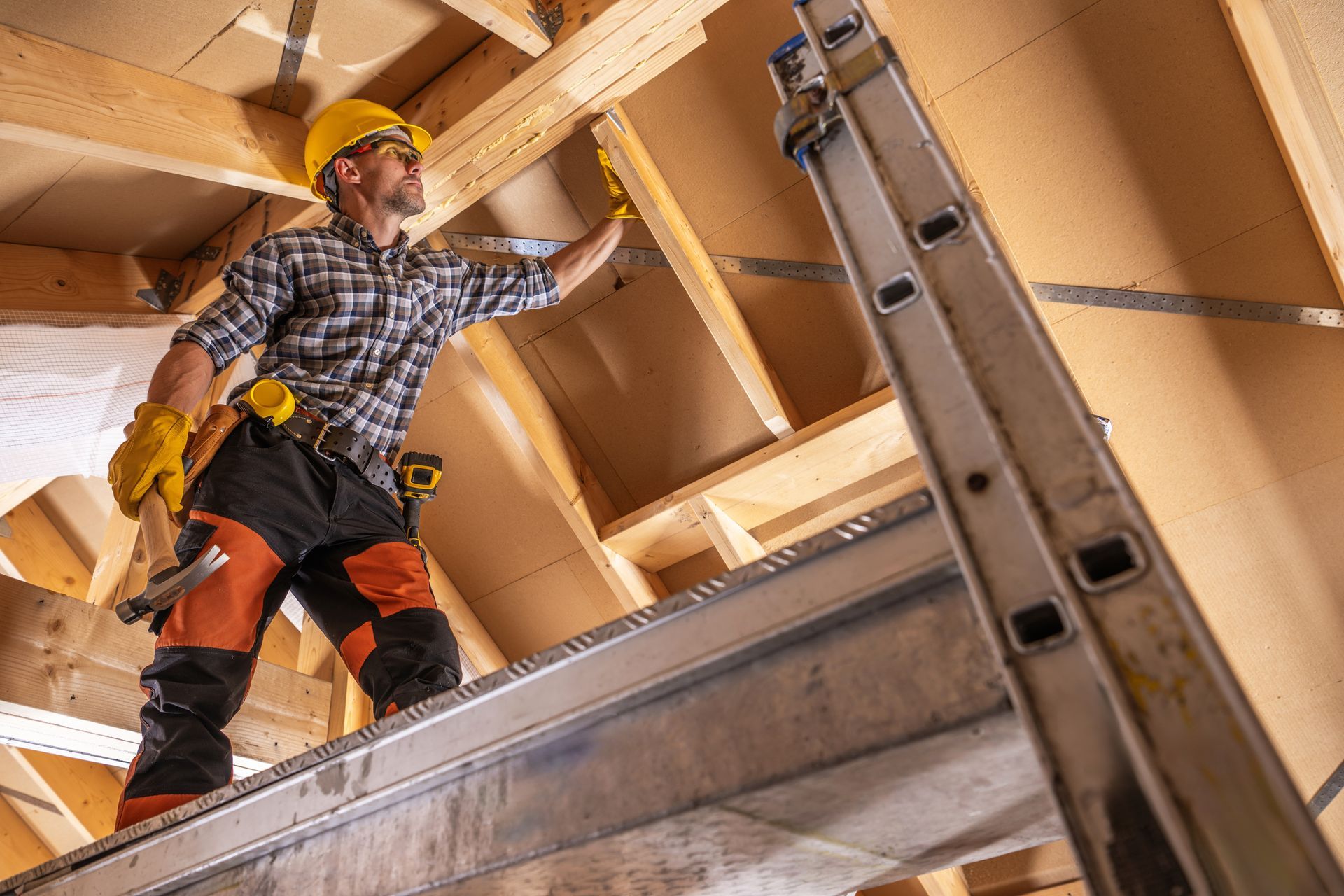
As the crisp autumn air settles over the rolling hills of Wildwood, homeowners often shift their focus to internal winterization tasks like testing furnaces and sealing windows. However, the most critical line of defense for your property is actually the one directly above your head. In Missouri, winter is not just a season of cold; it is a season of heavy, wet snow, sharp temperature swings, and relentless freeze-thaw cycles that can turn a minor roofing oversight into a major structural emergency.
Waiting until the first blizzard hits to think about your roof is a risky gamble. Once temperatures drop below freezing, many roofing materials become brittle, and performing high quality repairs becomes significantly more difficult and dangerous for even the most experienced professionals. Taking a proactive approach by hiring a roofing contractor in the fall ensures your home is fortified against the specific atmospheric challenges of the St. Louis County winter.
The Hidden Stressors of a Missouri Winter
The local climate in Wildwood presents a unique set of challenges that can rapidly accelerate the deterioration of an aging or poorly maintained roof. Understanding these forces is the first step in recognizing why a pre-winter inspection is vital.
The Destructive Freeze-Thaw Cycle Missouri weather is famous for its volatility. It is common to experience a sunny afternoon with temperatures above 40 degrees followed by a plummeting frost overnight. This cycle is incredibly hard on roofing materials. During the day, snow or ice on your roof melts into water that seeps into tiny cracks in your shingles or gaps in your flashing. When night falls and that water refreezes, it expands, acting like a wedge that pushes shingles apart and widens existing cracks.
The Weight of Heavy Snow Loads While a light dusting of snow is harmless, a single foot of heavy, wet snow can add thousands of pounds of pressure to your home’s framework. If your roof deck has hidden rot or if your support beams have been weakened by undetected moisture, this added weight can lead to visible sagging or, in extreme cases, a total roof collapse. A professional assessment before the snow flies can identify these structural weak points before they become dangerous.
The Persistent Threat of Ice Dams Ice dams are one of the most frequent and destructive winter roofing issues in our area. They occur when heat escaping from a poorly insulated attic melts the snow on the upper parts of the roof. This meltwater runs down to the colder eaves, where it refreezes and creates a literal dam of ice. This process perfectly illustrates [How Ice Dams Damage Your Missouri Home], preventing further meltwater from draining and forcing it backward under your shingles and directly into your attic and walls.
What a Professional Pre-Winter Inspection Covers
A thorough [Residential Roof Inspection or Gutter Cleaning] goes far beyond a simple ground-level glance. Professionals use a detailed checklist to ensure every component of your roofing system is ready for the coming season.
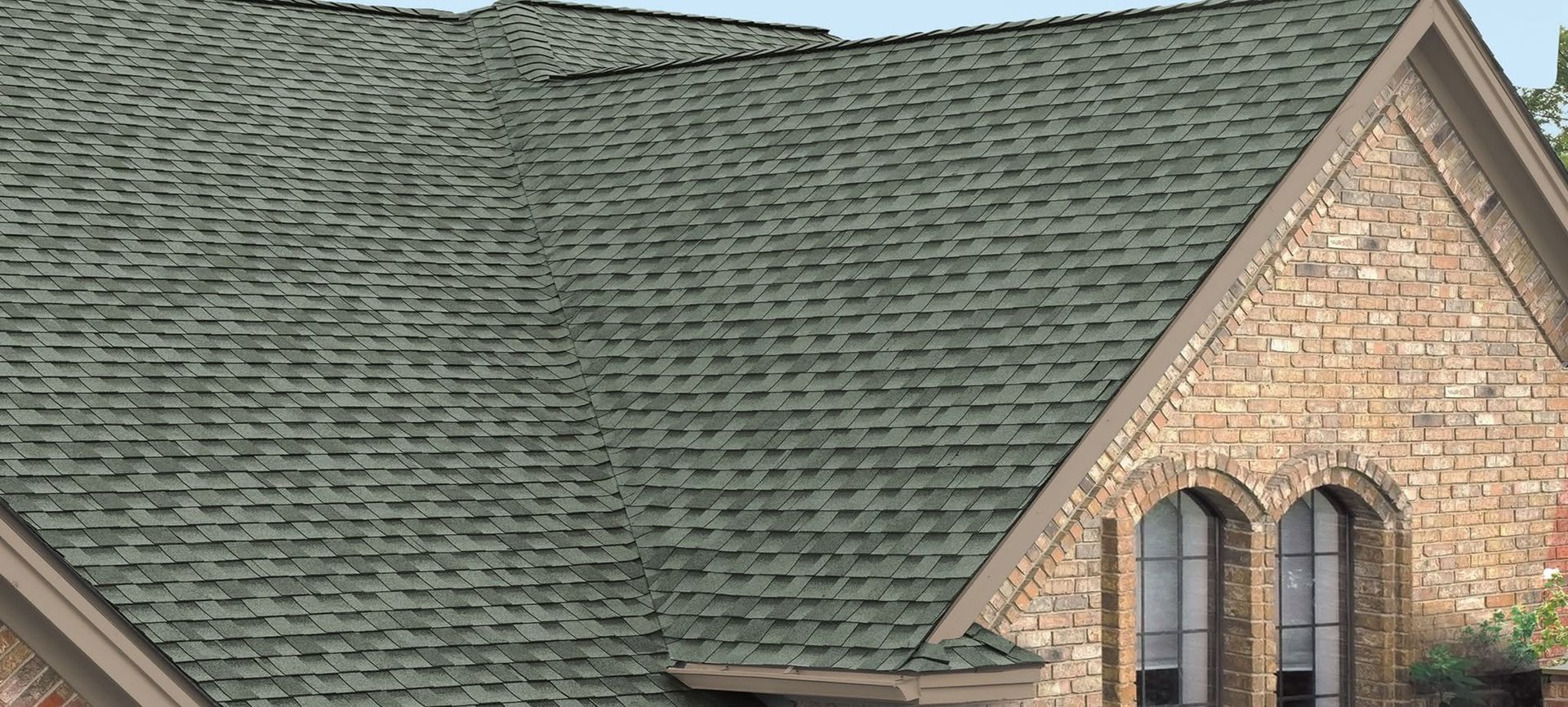
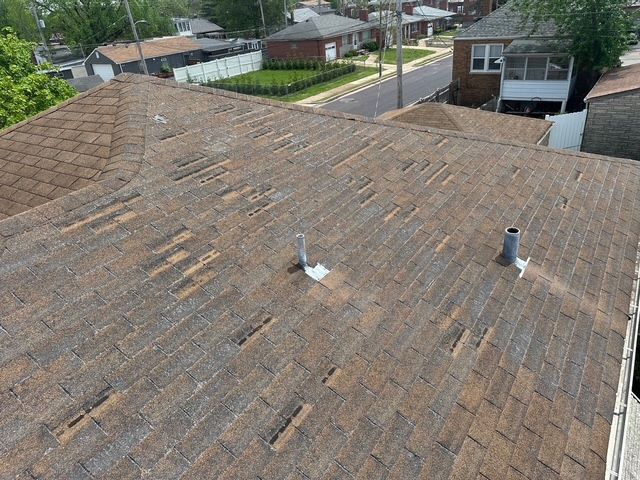
- Shingle Integrity: Contractors look for shingles that are cracked, curling, or missing their protective mineral granules. These are signs that the material is nearing the end of its lifespan and will not be able to withstand winter winds or ice.
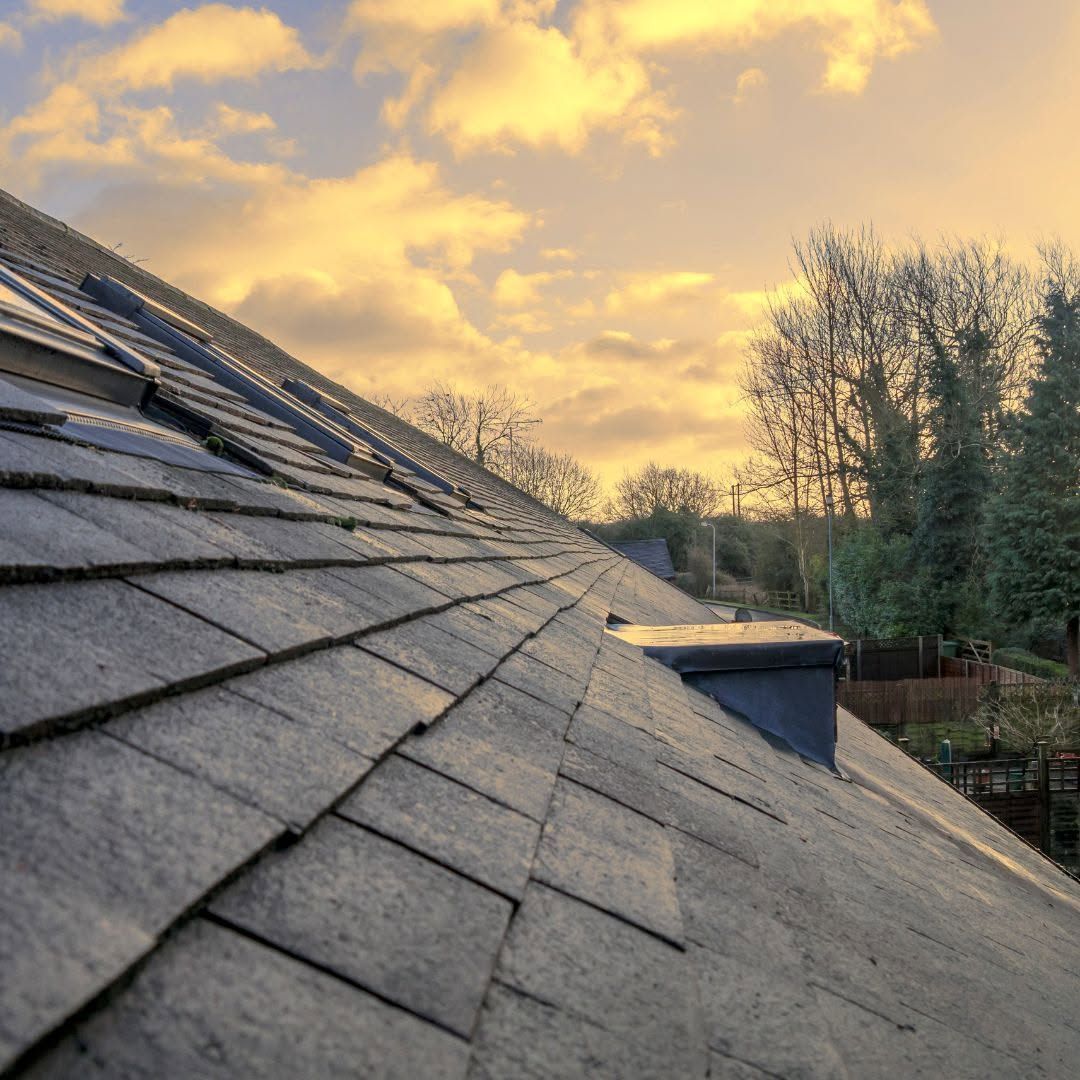
- Flashing and Sealant Checks: The metal flashing around your chimney, vents, and skylights is often the first place a leak will start. Professionals ensure these seals are tight and that the metal has not rusted or pulled away due to thermal expansion.
- Gutter and Downspout Function: Clogged gutters are a primary cause of ice dams and wood rot along the fascia boards. A contractor ensures your drainage system is clear of fall leaves and debris so water can flow freely away from your foundation.
- Attic Ventilation and Insulation: Preventing ice dams starts in the attic. An expert will check that your insulation is sufficient and that your intake and exhaust vents are not blocked, allowing your roof to maintain a consistent, cold temperature.
Cost Considerations: Proactive vs. Reactive
It is a common misconception that waiting to fix a roof saves money. In reality, "reactive" roofing, only calling a professional when you see a leak, is almost always more expensive than preventative maintenance.
If a contractor identifies a few loose shingles or a small section of failing flashing in October, the repair is typically straightforward and affordable. However, if those same issues are ignored, they can lead to saturated insulation, mold growth in your attic, and damaged interior drywall by January. At that point, you are no longer just paying for a roof repair; you are paying for emergency service fees, mold remediation, and interior reconstruction.
Furthermore, many homeowners find that addressing minor issues in the fall helps lower their energy bills throughout the winter. A well-sealed and properly ventilated roof keeps your home warmer and reduces the strain on your heating system, providing immediate financial relief during the coldest months.
When to Call a Professional for Your Wildwood Home
Ideally, you should Contact Us / Request a Fall Inspection in late September or October, after the leaves have finished falling but before the first hard freeze. You should seek professional help immediately if you notice:
- Daylight in the Attic: If you can see light peeking through your roof boards from inside your attic, water can certainly get in as well.
- Musty Odors: A persistent damp smell in your upper floors often indicates hidden moisture and mold growth.
- Water Stains: Even small yellow or brown spots on your ceiling are a sign that your roof's waterproofing has been compromised.
- Debris in Gutters: If your gutters are consistently filled with shingle granules, your roof has lost its primary layer of UV protection.
Partner with a Trusted Local Expert
Protecting your property from the harsh Missouri winter requires more than just a quick fix; it requires a comprehensive understanding of how local weather patterns impact different roofing systems. From ensuring your attic ventilation is balanced to verifying that your flashing can handle rapid temperature swings, every detail matters. Don't wait for a mid-winter emergency to find out your roof isn't up to the task. If you are ready to secure your home for the season, contact our team today for an honest assessment from a dependable Roofing Contractor in Wildwood, MO. We are committed to providing the high-quality craftsmanship and local expertise you need to keep your family warm and dry all winter long.
Quick Answers for Wildwood Homeowners
Is it too late to fix my roof once it starts snowing?
While emergency repairs can be performed in the winter, they are much more difficult and often more expensive. Many sealants do not bond correctly in freezing temperatures, and ice makes the work much slower and more dangerous. It is always best to complete repairs before the first snowfall.
How can I tell if my attic has enough ventilation?
Signs of poor ventilation include an exceptionally hot attic in the summer, frost on the underside of your roof deck in the winter, or the frequent formation of icicles and ice dams on your eaves. A professional contractor can calculate exactly how much intake and exhaust your specific home requires.
Does a roof inspection include a gutter check?
Yes, a comprehensive pre-winter inspection should always include an evaluation of your gutters and downspouts. Ensuring that water can drain properly is one of the most effective ways to prevent ice dams and foundation damage during the winter months.
How long does a typical roof inspection take?
Most residential roof inspections take between 45 and 90 minutes, depending on the size and complexity of the roofline. A reputable contractor will provide you with a full report and photos of any problem areas they discover.
Will my insurance cover repairs found during a pre-winter check
Insurance typically covers damage caused by sudden events like wind or hail. If the inspection reveals damage from a recent storm, it may be covered. However, standard wear and tear or damage due to a lack of maintenance is usually the homeowner's responsibili