How to Choose the Best Roofing Material for Ballwin’s Changing Climate
How to Choose the Best Roofing Material for Ballwin’s Changing Climate
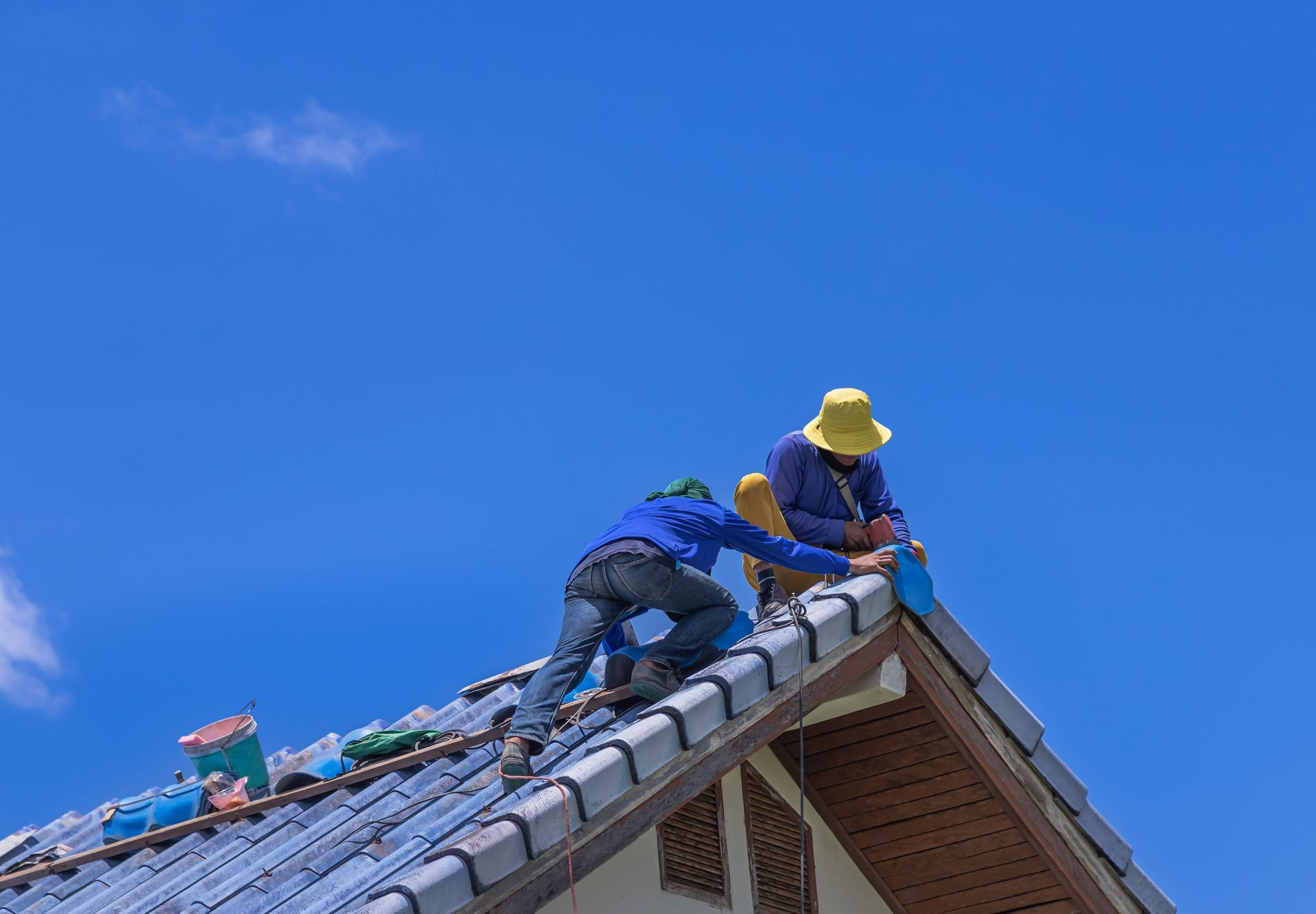
Homeowners in the Midwest know that protecting a property is a year round job. Living in Ballwin specifically means adapting to weather patterns that can shift dramatically from one week to the next. You might experience heavy, humid heat in the middle of summer and then face brutal, freezing rain during the winter months. Your roof acts as the primary shield against all of these extremes.
When the time comes to upgrade an aging or damaged exterior, the choices can feel overwhelming. Selecting the ideal materials involves more than just picking a color that looks nice from the street. You need a system engineered to handle the unique stresses of the St. Louis County climate. This guide will help you understand your options, evaluate the costs, and make a decision that adds lasting value to your property.
The Reality of Missouri Weather on Your Exterior
To make an informed choice about building materials, you must first understand the environmental enemies your home battles every day. The local climate throws a varied mix of hazards at your property.
Intense Summer Ultraviolet Rays and Heat During July and August, the sun beats down relentlessly. Standard roofing materials absorb a massive amount of radiant heat. This constant baking process dries out the essential oils in basic asphalt products. Over time, this exposure causes the shingles to become brittle, leading to cracking and a loss of waterproofing ability. The high humidity also encourages moss and algae growth, which can trap moisture against the decking.
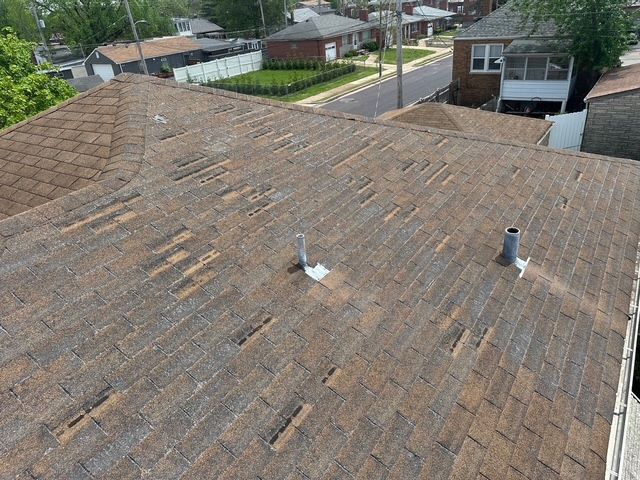
Spring Storms and Hail Damage Springtime brings the persistent threat of severe thunderstorms. High winds can easily get underneath loose or lightweight shingles, tearing them away from the roof deck. Even more damaging is the threat of hail. When hail strikes a standard roof, it bruises the surface and dislodges the protective mineral granules. You should proactively monitor your exterior for Signs of Storm and Hail Damage to prevent long term leaks. Once these granules wash away into your gutters, the underlying asphalt is completely exposed to rapid sun degradation.
Winter Ice and Snow Accumulation Winter introduces a completely different set of challenges. Snow that accumulates on your roof can melt if your attic is poorly insulated. The melted water runs down to the colder edges of the roof and refreezes, creating heavy ice dams. These blocks of ice force standing water backward under the shingles, leading to severe rot in your wooden decking and interior leaks.
Comparing the Best Roofing Materials for Your Home
Knowing what your exterior must withstand makes it easier to evaluate the top materials available on the market today. Here is a closer look at the most reliable options for residential properties in our region.
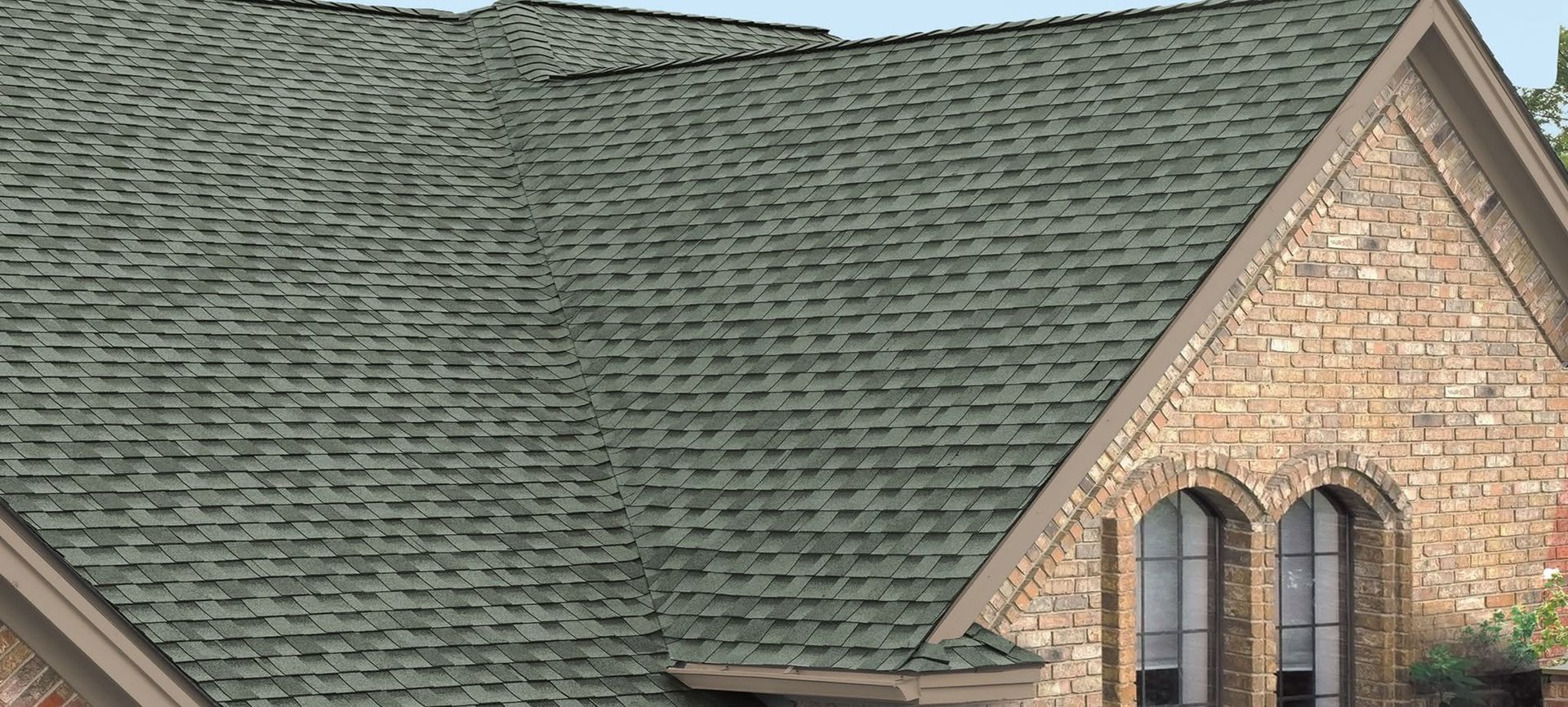
High Quality Architectural Asphalt Shingles Asphalt remains the most popular choice across the country for good reason. Modern architectural shingles are manufactured with multiple layers of fiberglass and asphalt, creating a thick, dimensional appearance that looks fantastic on both traditional and modern homes.
- The Benefits: They are highly affordable and relatively quick to install. Premium architectural lines are designed to resist high winds, with many rated for gusts up to 130 miles per hour. You can also select algae resistant varieties that feature copper infused granules, keeping your roof looking clean and free of dark streaks.
- The Drawbacks: Even top tier asphalt shingles have a finite lifespan. They absorb heat, and they will eventually succumb to thermal shock and weather wear, usually lasting between 20 and 25 years.
Class 4 Impact Resistant Shingles For homeowners who love the look of asphalt but want maximum durability against spring storms, impact resistant shingles are the perfect upgrade. These are typically made with a rubberized, polymer modified asphalt backing.
- The Benefits: The rubberized nature of these shingles allows them to absorb the shock of hail strikes without fracturing or losing granules. They remain flexible in extreme cold and hold up beautifully against high winds. Many insurance companies offer significant premium discounts when you install a Class 4 rated product.
Standing Seam Metal Systems Metal roofing has become incredibly popular for residential homes, offering a sleek, contemporary aesthetic that completely transforms a property. Standing seam systems feature vertical metal panels with hidden fasteners, ensuring exceptional weatherproofing.
- The Benefits: A metal roof is a true long term investment, often lasting 50 years or longer. It easily sheds snow and ice, preventing the formation of ice dams. Metal is highly reflective, meaning it bounces solar heat away from your attic, which can noticeably lower your summer cooling bills.
- The Drawbacks: The initial installation cost for a standing seam system is significantly higher than asphalt. It also requires highly specialized labor to ensure the panels are properly measured, cut, and secured.
Synthetic Composite Slate and Cedar If you desire the luxurious, classic appearance of natural quarried slate or thick cedar shakes, synthetic composite roofing is the ultimate solution. Manufactured from advanced polymers and recycled plastics, these products are practically indestructible.
- The Benefits: Synthetic materials provide top tier impact resistance and fire ratings. Unlike real wood, they will never rot, warp, or attract insects. Unlike real slate, they are lightweight and will not crack during severe freeze and thaw cycles. They offer the best of both worlds in terms of beauty and extreme weather protection.
Balancing Upfront Costs with Long Term Value
A new roof is one of the largest financial investments you will make in your home. It is crucial to look past the initial price tag and consider the lifecycle cost of the materials.
If you anticipate selling your home within the next decade, a high quality architectural asphalt system is usually the most logical choice. It keeps your immediate costs down while providing excellent curb appeal and satisfying any concerns from future home inspectors. If you are unsure of your current system's condition, scheduling a [Roof Inspection or Roof Repair] assessment can clarify if a full replacement is necessary.
However, if you plan to stay in your current house indefinitely, investing in a metal or composite system makes excellent financial sense. Because these premium materials last decades longer than asphalt, you avoid the heavy cost of a second replacement down the road. Furthermore, the energy savings and potential insurance discounts associated with impact resistant and reflective materials will help pay for the upgrade over time.
Knowing When to Call a Professional Contractor
Homeowners should proactively monitor the health of their exterior. Waiting until water is actively dripping into your living room means the structural damage is already severe. You should reach out for an expert evaluation if you observe any of the following warning signs.
- Heavy Granule Loss: Check your gutters after a heavy rain. If they are full of coarse, dark sand, your shingles are failing.
- Curled or Buckled Shingles: Shingles that lift at the edges or bubble in the middle have been ruined by heat buildup and poor attic ventilation.
- Sagging Rooflines: A visible dip in your roof deck indicates serious structural rot underneath the shingles.
- Advanced Age: If your asphalt roof is approaching 20 years old, the materials are likely at the end of their functional life.
Secure Your Property with the Right Team
Upgrading your exterior requires premium materials and flawless installation techniques. Your underlayment, flashing, and attic ventilation must all work together to ensure your new shingles reach their maximum lifespan. Working with a dedicated local crew guarantees that your project meets all regional building codes and weather requirements. If you are ready to protect your home with a beautiful, durable new system, Contact Us / Request an Estimate today. We provide transparent communication and top tier craftsmanship for your [Roof replacement in Ballwin, MO]. Let us help you select the perfect materials for your specific needs and budget.
Quick Answers for Ballwin Homeowners
How much does a new roof typically cost in our area?
Pricing depends heavily on your home's square footage, the steepness of the roof pitch, and your material choices. Standard asphalt is the most affordable option upfront. Premium materials like standing seam metal or synthetic composite cost more initially but provide decades of extended value.
Can a contractor just install new shingles over the old ones?
Professional installers strongly advise against layering new materials over old ones. A complete tear off is absolutely necessary to inspect the underlying wooden decking. This process ensures any hidden wood rot or water damage is repaired before the new waterproofing materials are installed.
How long will the installation process take?
Most standard residential installations using asphalt shingles are completed in one to two days. However, factors like severe weather, complex rooflines, or the discovery of extensive structural rot can add extra time to the project schedule.
Will my homeowner's insurance pay for a new roof?
Insurance policies typically cover replacement costs if the damage was caused by a sudden, unpreventable act of nature, such as a severe hailstorm or a fallen tree. They will not cover replacements that are required due to normal aging, wear and tear, or lack of maintenance.
Are impact resistant shingles worth the extra money?
Yes, they are highly recommended for our unpredictable climate. Class 4 impact resistant shingles easily absorb hail strikes and resist high winds. In addition to preventing premature storm damage, these durable shingles often qualify homeowners for substantial annual discounts on their property insurance premiums.